Showcasing Japanese Tiles in Taiwan. Taipei Building Show 2025
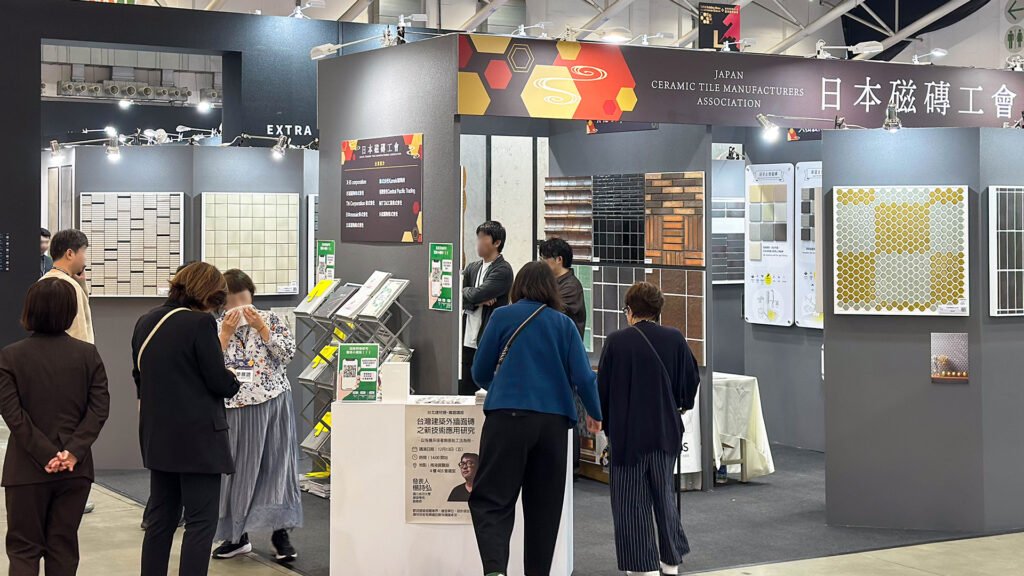
After exhibiting at CERSAIE in Bologna, Italy, last October, we had the opportunity to participate in the Taipei Building Show 2025 in Taiwan this past December. The event, held in the Asian capital from December 11 to 14, gave us the chance not only to showcase our products, but also to engage in conversations with designers and architects.
We invite you to discover firsthand our experience at the Taipei Building Show 2025.
Table of Contents
■ Three-Dimensional Japanese Tiles Capture Visitors’ Attention
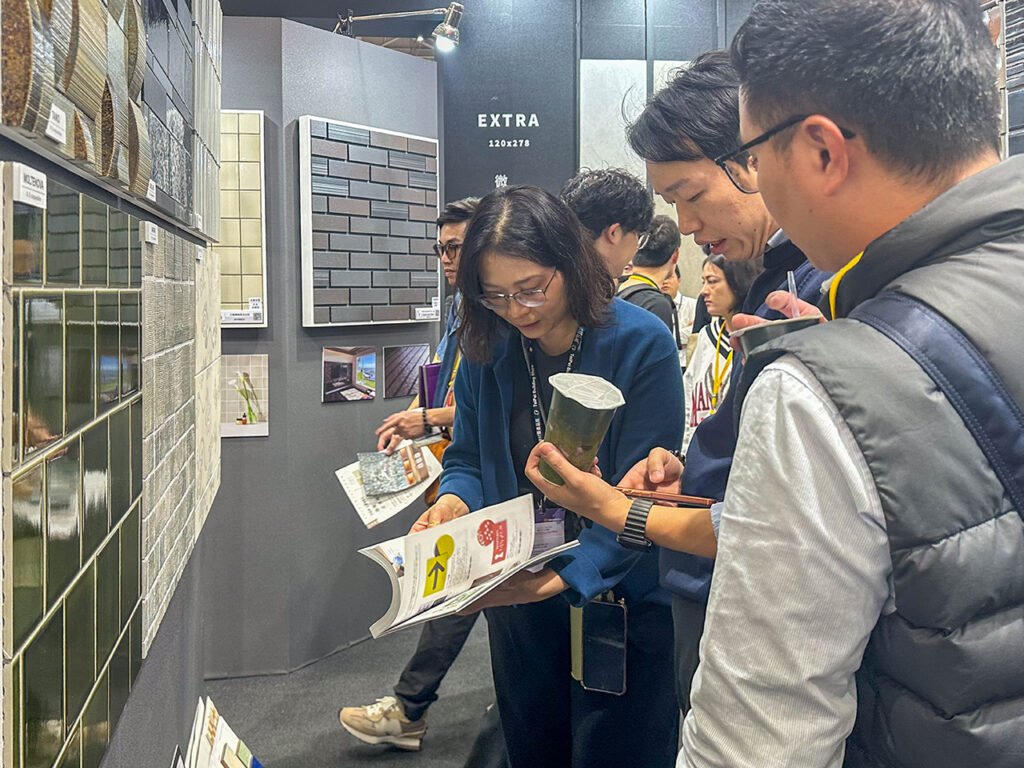
Although we exhibited this time as part of the Japan Ceramic Tile Manufacturers Association, many visitors stopped by our stand to take a closer look at the panels we had prepared, photograph them, and share their impressions with us.
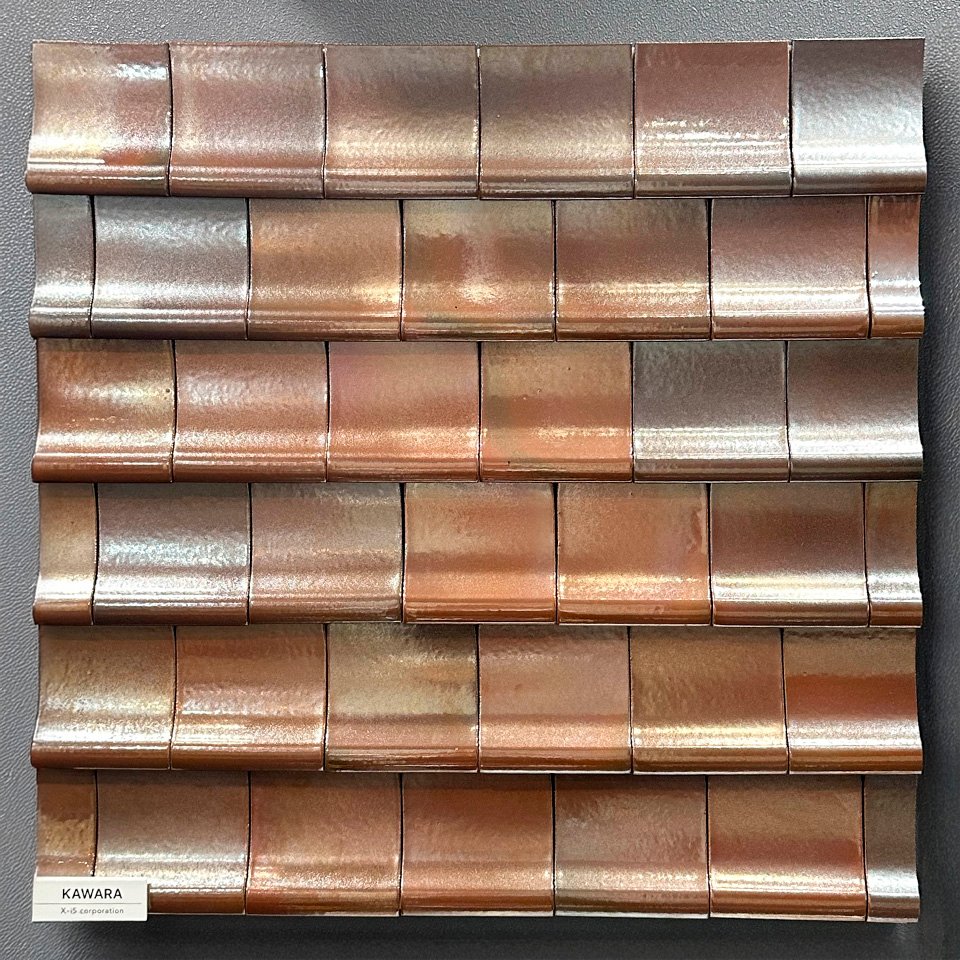
Tiles with pronounced three-dimensional forms, produced using Japan’s traditional wet extrusion process, drew particular interest. Taiwan is also a tile-producing country, where most tiles are made using dry pressing. Against this backdrop, our wet-extruded tiles set themselves apart from locally produced products and were very well received.
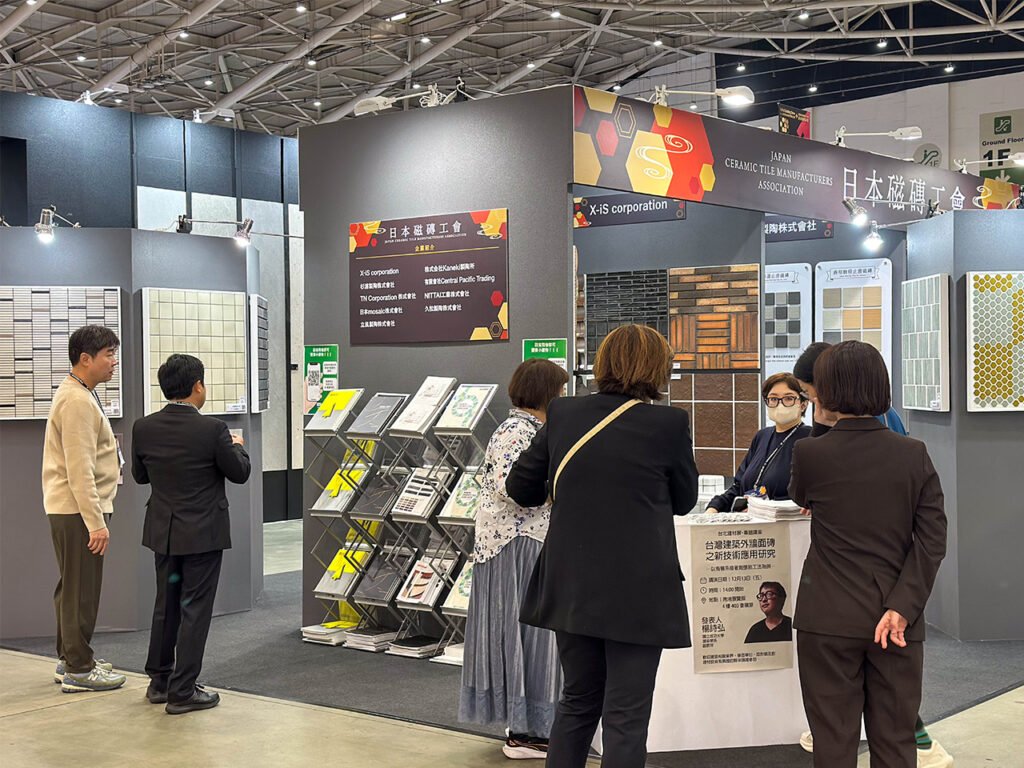
■ A Visual Tour of Our Tile Panels: Textures, Color Variation, and Japanese Glazes
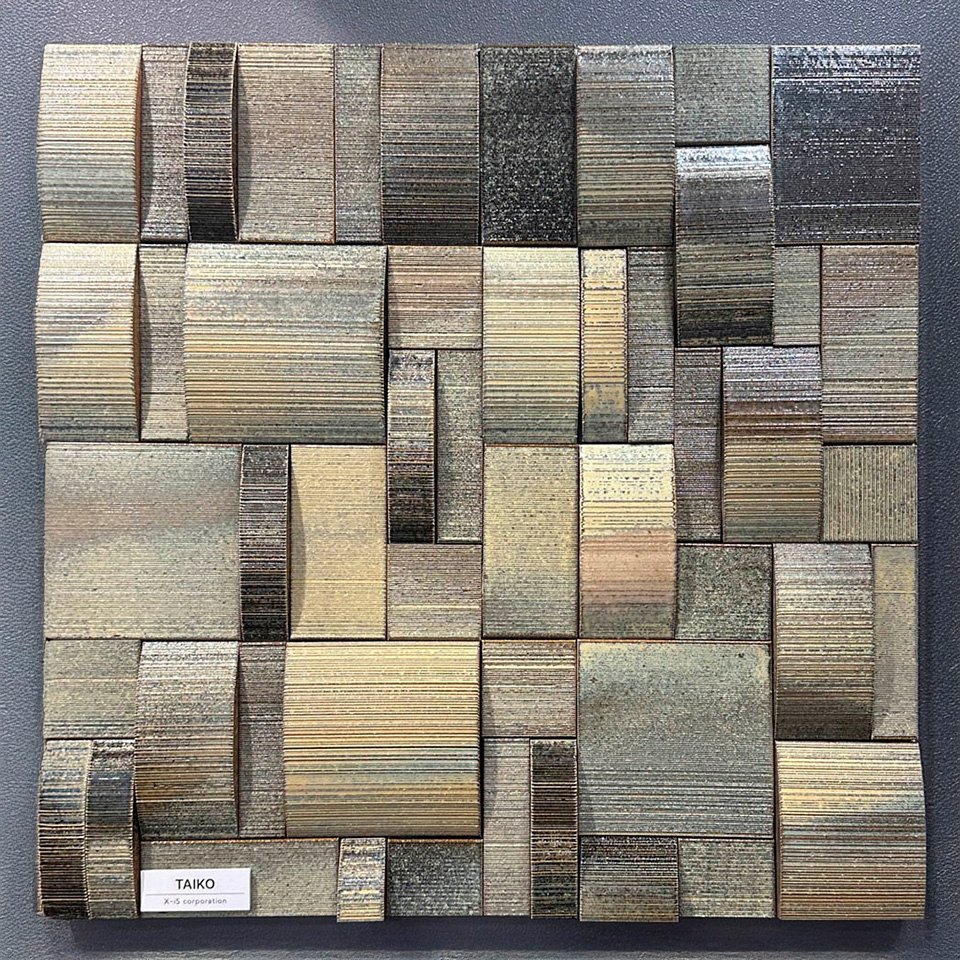
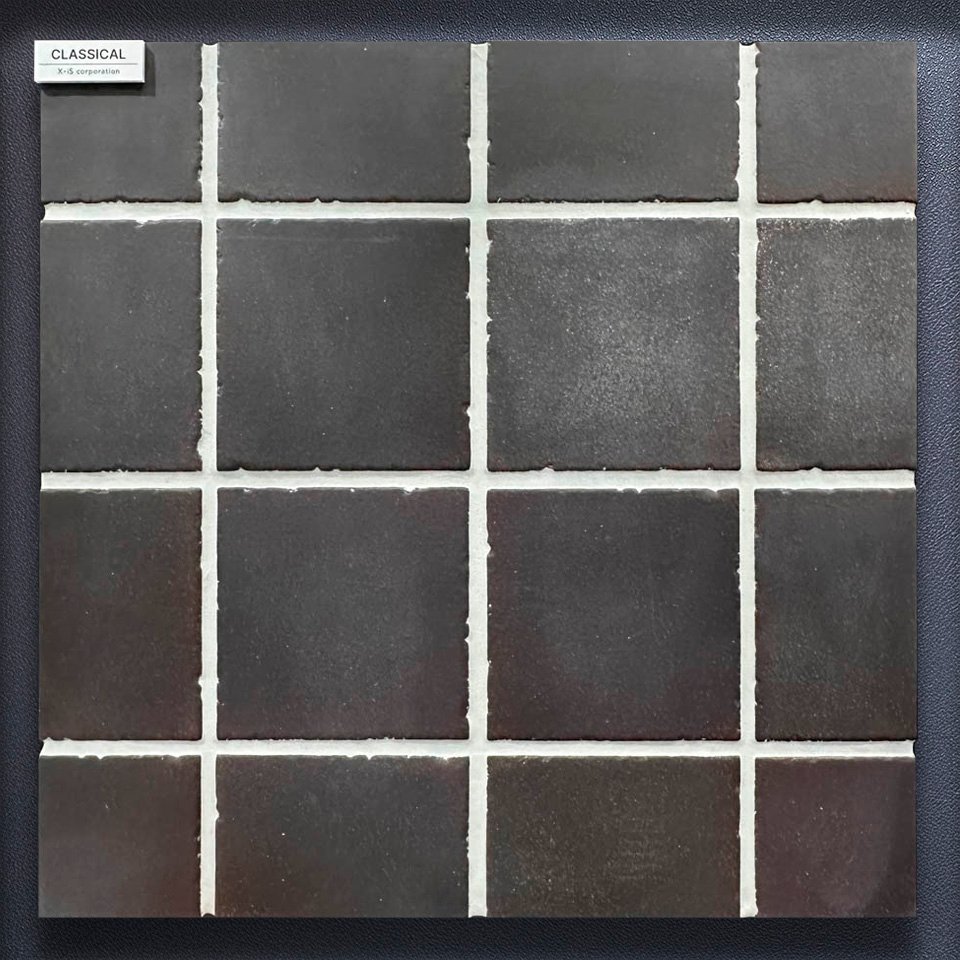
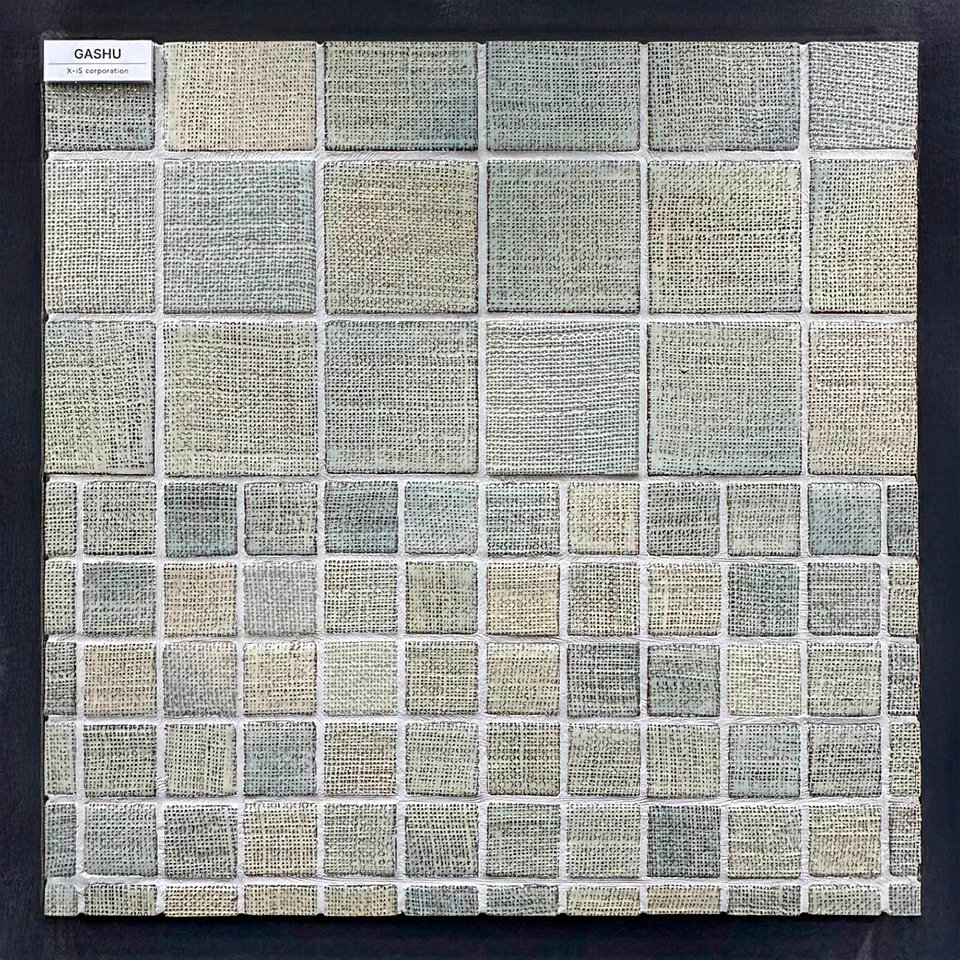
In addition to their pronounced three-dimensionality—especially evident in collections such as Taiko and Kawara—Japanese tiles stood out for a quality closely tied to their manufacturing process: the natural color variations that arise during traditional firing. This phenomenon, which cannot be mechanically replicated, can be clearly seen in the panel from the Gashu collection, among others.
 |
 |
 |
 |
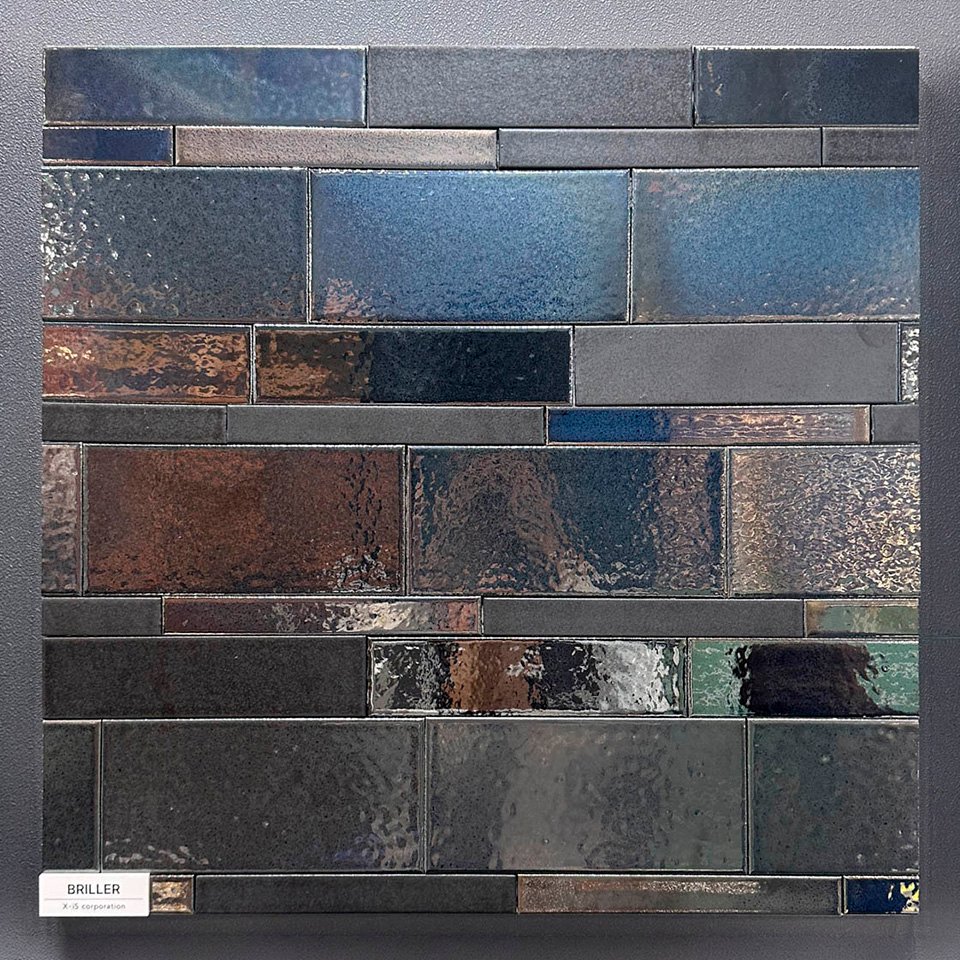
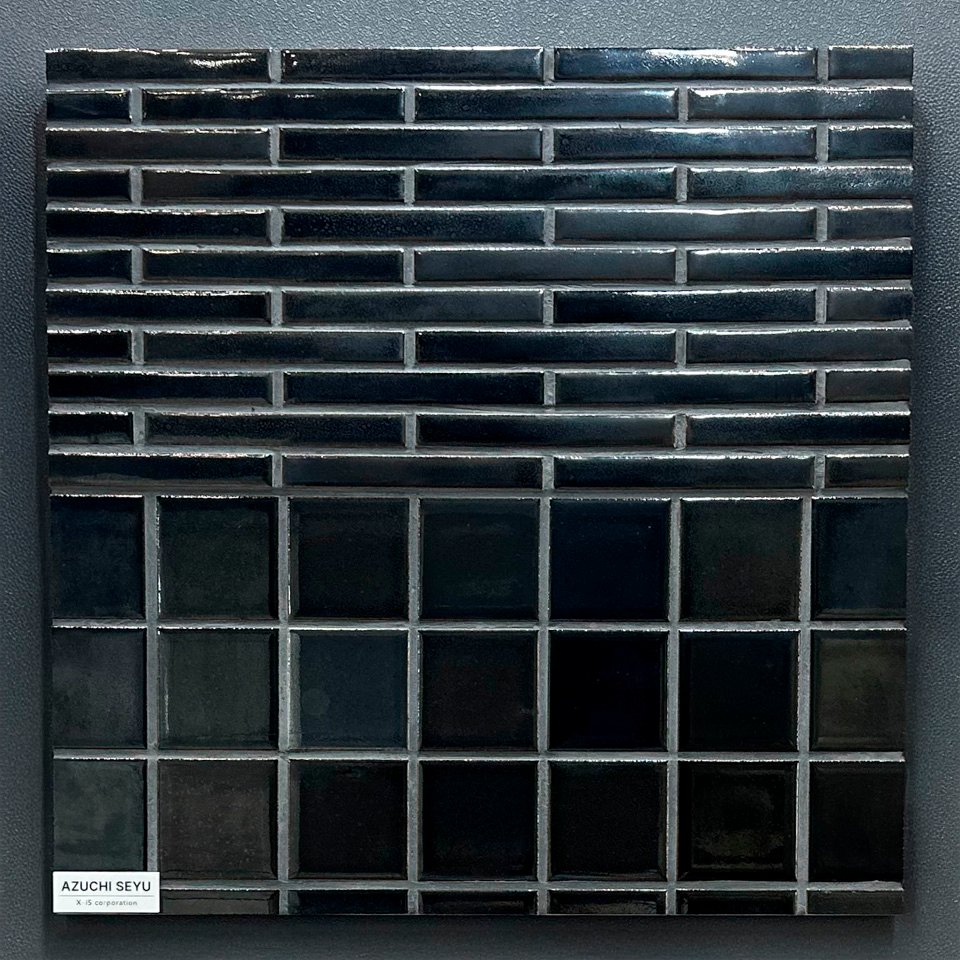
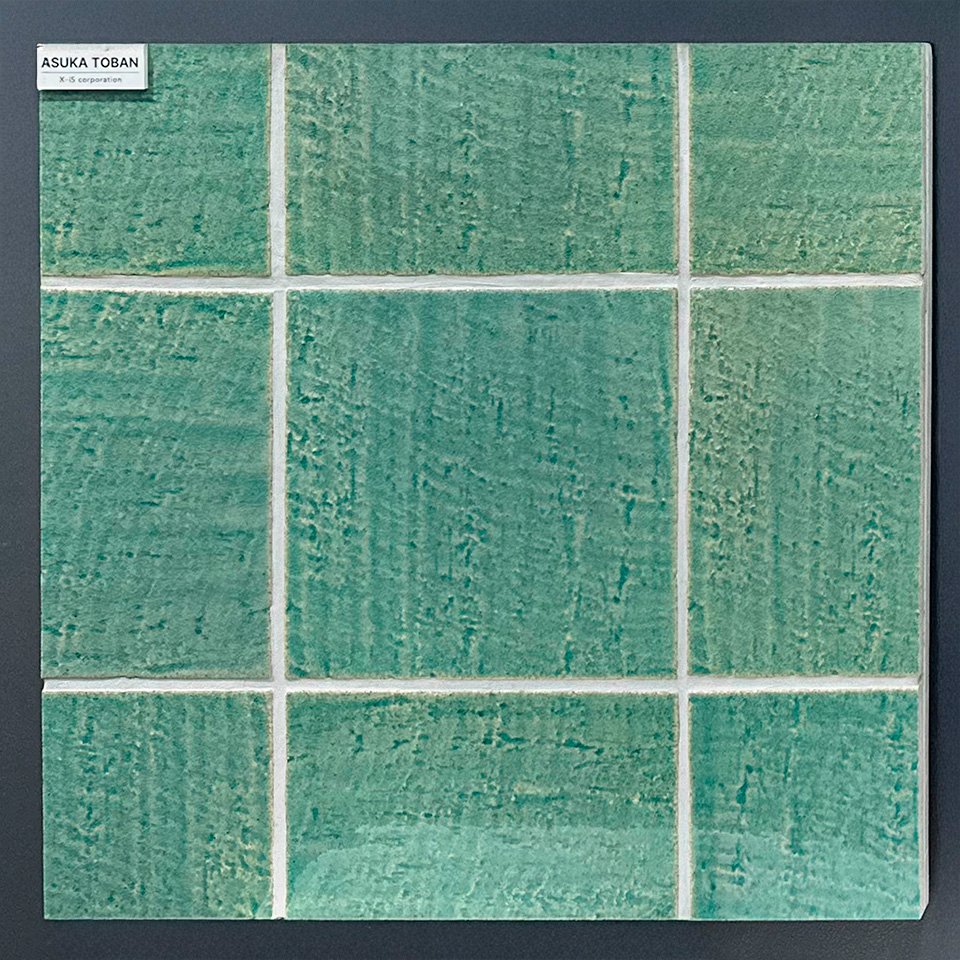
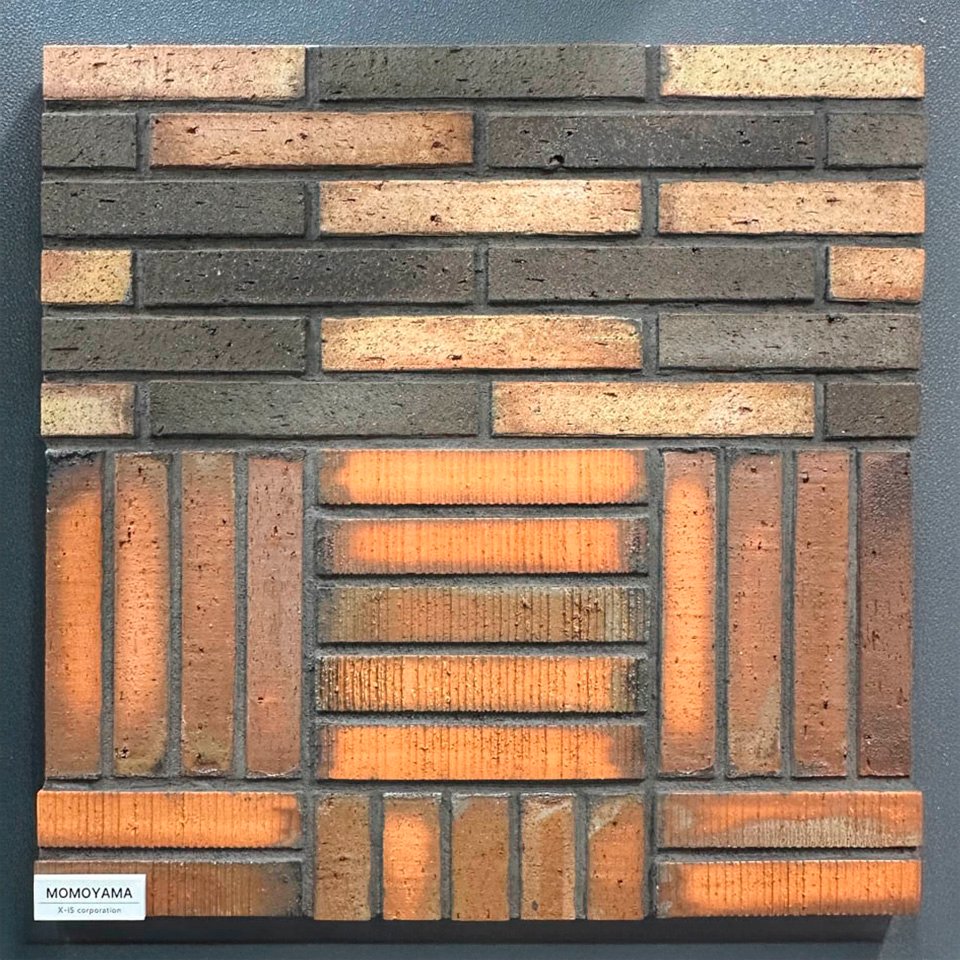
Panels like those from the Briller collection, with their unique glazes, allowed the audience to observe firsthand the beauty and depth of Japanese glazes, resulting from a careful balance between material formulation and firing process. Meanwhile, collections such as Momoyama demonstrated the diversity of surface textures that can be achieved.
 |
 |
 |
 |
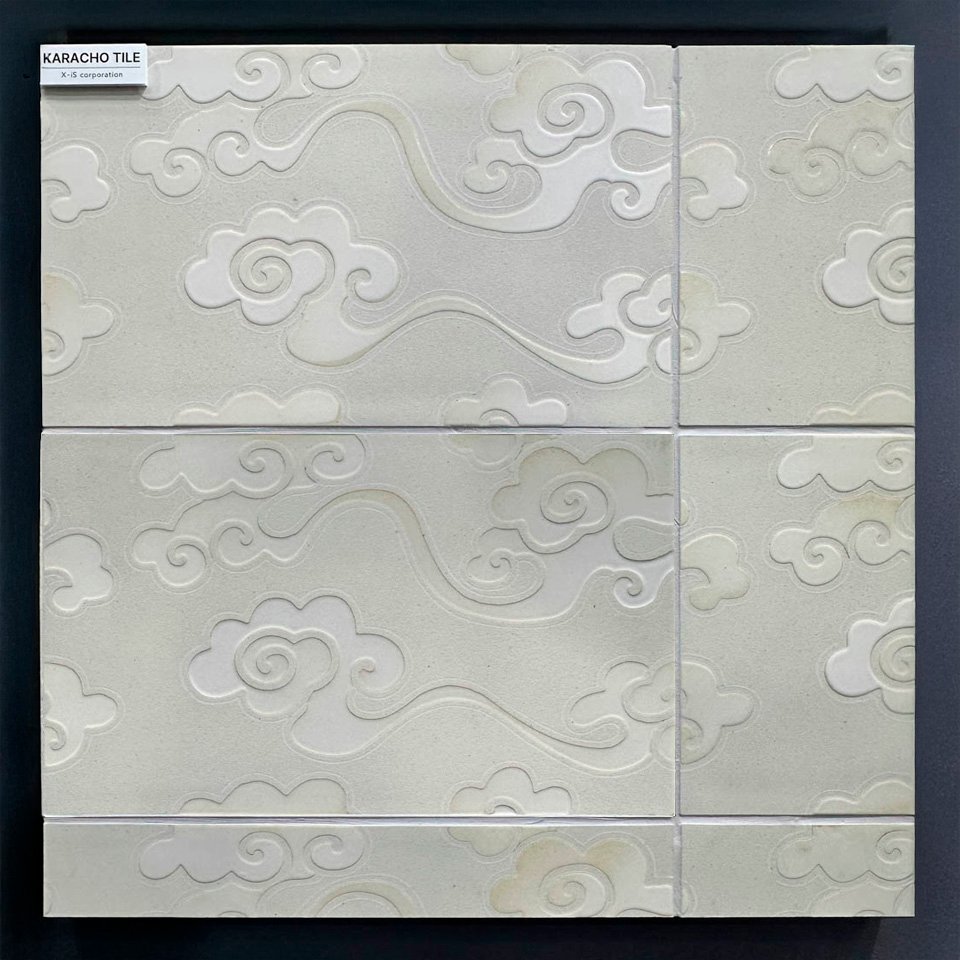
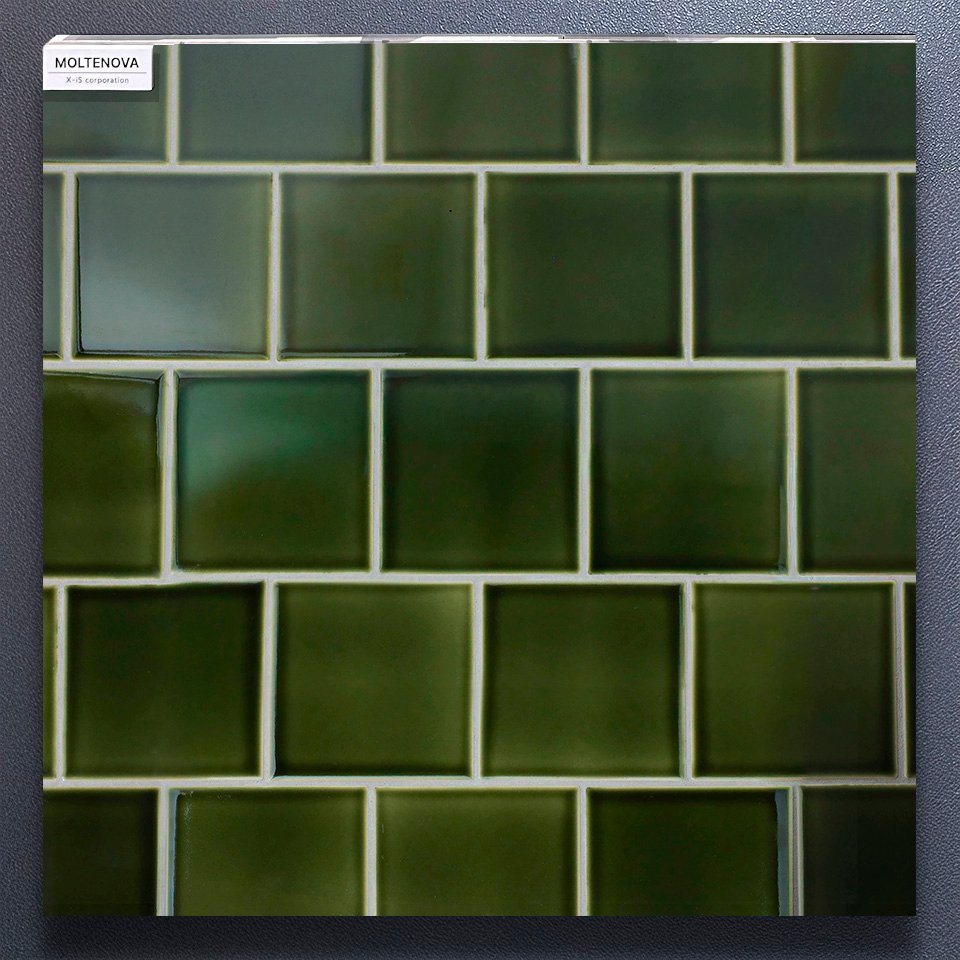
Alongside these aspects, both the cultural dimension and the technological development of the sector were also present. Artistic collaborations and the reinterpretation of traditional patterns in the “Karacho Tiles” highlight the dialogue between aesthetic heritage and contemporary production. Likewise, solutions such as the “Moltenova” tiles reflect the effort to incorporate environmental criteria into the development of new products and processes.
 |
 |
■ Summary
Participation in this fair not only helped strengthen our relationships with existing local clients and partners, but also provided an opportunity to showcase our understand what sets them apart from the rest.
If you would like more information about our products or wish to request a quote, do not hesitate to Contact Us. We would be delighted to assist you.
