Taiko. The Rhythm of Traditional Japanese Tiles
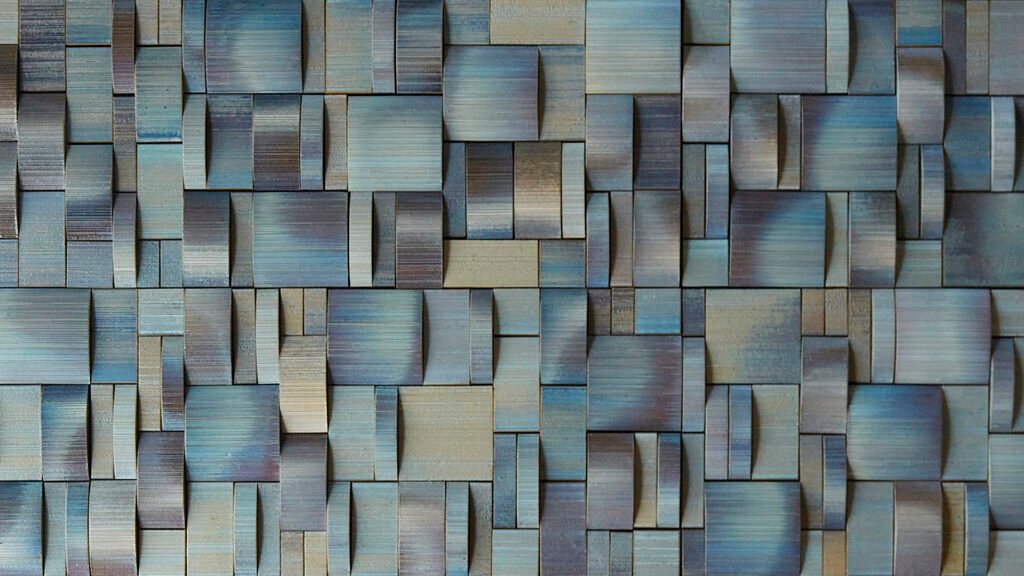
When a Japanese person hears the word “Taiko”, the first thing that comes to mind is the traditional Japanese drum, known for its powerful sound and commanding stage presence, a symbol of strength, rhythm, and energy.
At WA-KEI, we drew inspiration from these instruments, which have been part of Japanese culture for centuries, to name one of the tile collections that best expresses the unique beauty of Japanese ceramics. We invite you to discover a collection where texture, glaze, and volume come together to create spaces with a truly unique personality.
Table of Contents
The Textures and Glazes of This Unique Japanese Tile
Taiko is one of WA-KEI’s most iconic collections. Its expressive character, the richness of its glazes, and the versatility of its formats have made it one of the collections most warmly received at international trade fairs, where it consistently attracts the attention of architects and interior designers from around the world.
Conceived around the relationship between texture, volume, and the tonal variations of its glazes, Taiko draws inspiration from the sensibility of Japanese architecture, where materials and the interplay of light and shadow create spaces that feel both serene and deeply expressive.
Its surface is defined by a distinctive fluted relief that not only creates a tactile texture but also influences the way the glaze settles across the tile, allowing traditional Japanese glazes to reveal their full depth and subtle nuances. Rather than pursuing a perfectly uniform finish, Taiko celebrates the delicate variations that naturally emerge through the firing process on each individual tile, with tonal shifts appearing not only within a single tile but also between tiles finished with the very same glaze.
-
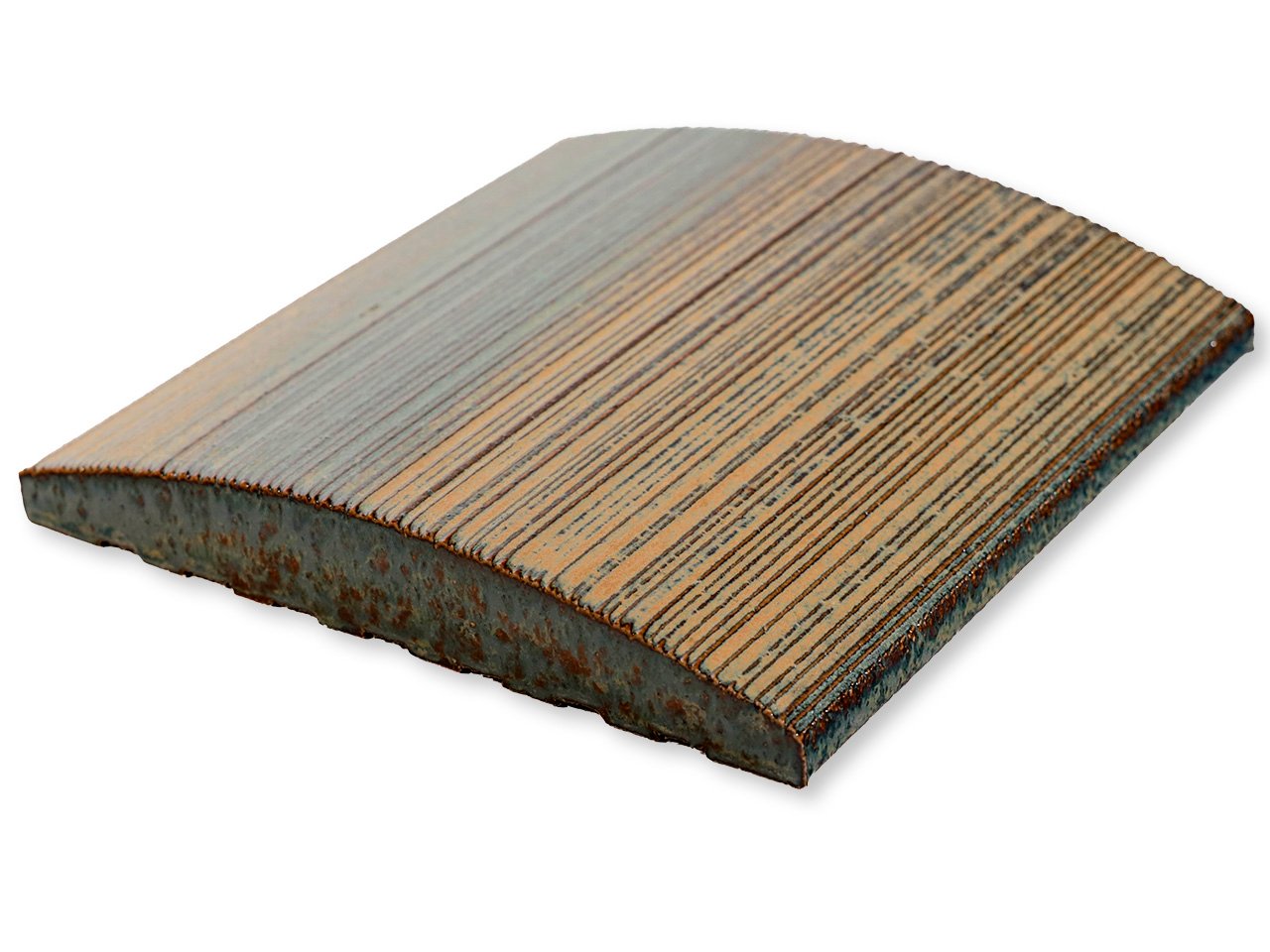
Taiko DKT-152 model revealing rich tonal variations
-
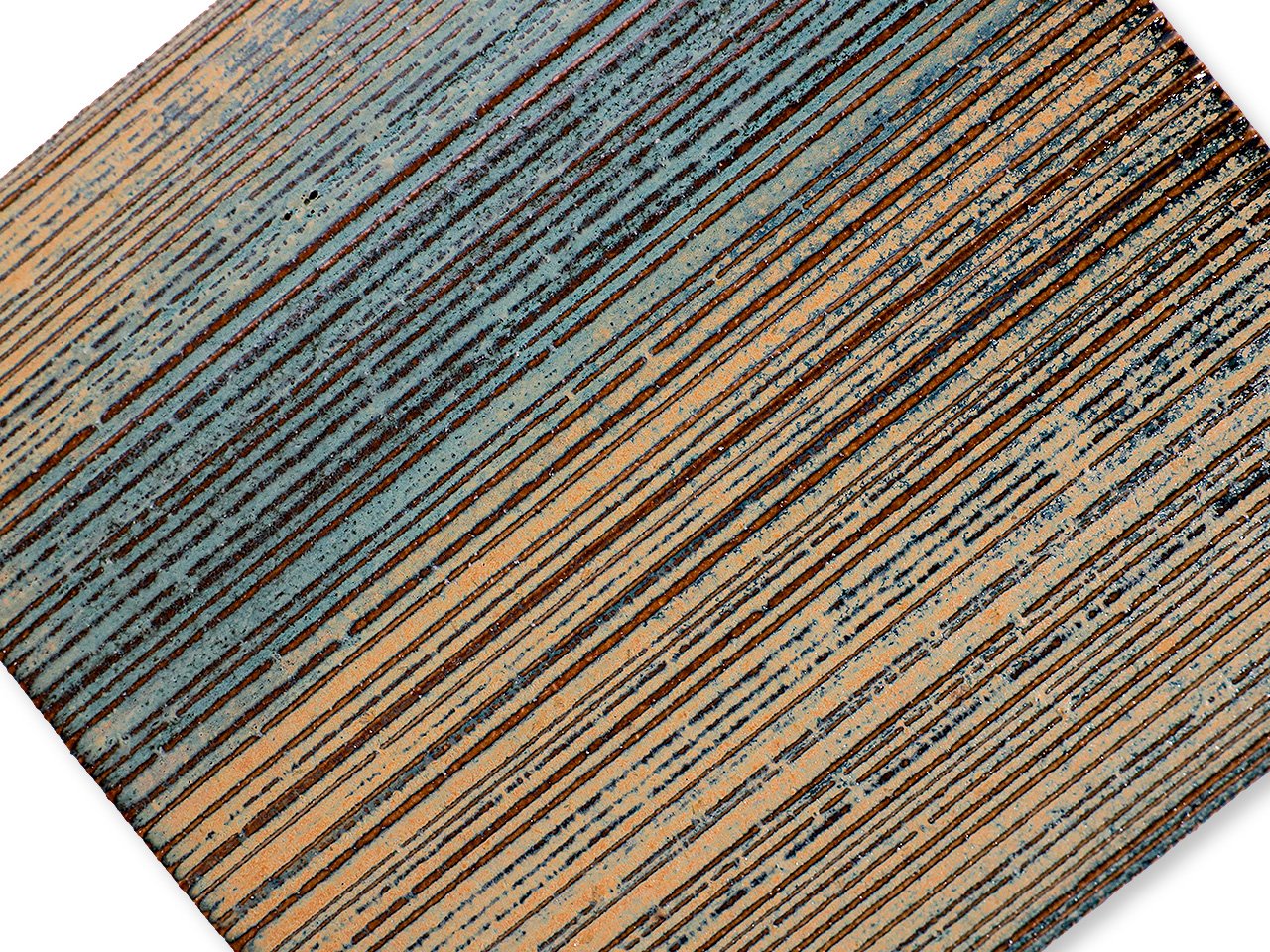
Surface detail
Taiko is available in five carefully developed glazes. Each one offers a distinct interpretation of the same surface, revealing different tonal qualities and expanding the collection’s compositional possibilities.
Formats That Inspire Compositions
In addition to its delicate surface, Taiko is distinguished by the variety of formats it offers. The collection is available in six formats, created by combining three widths with two surface types: flat and convex.
-
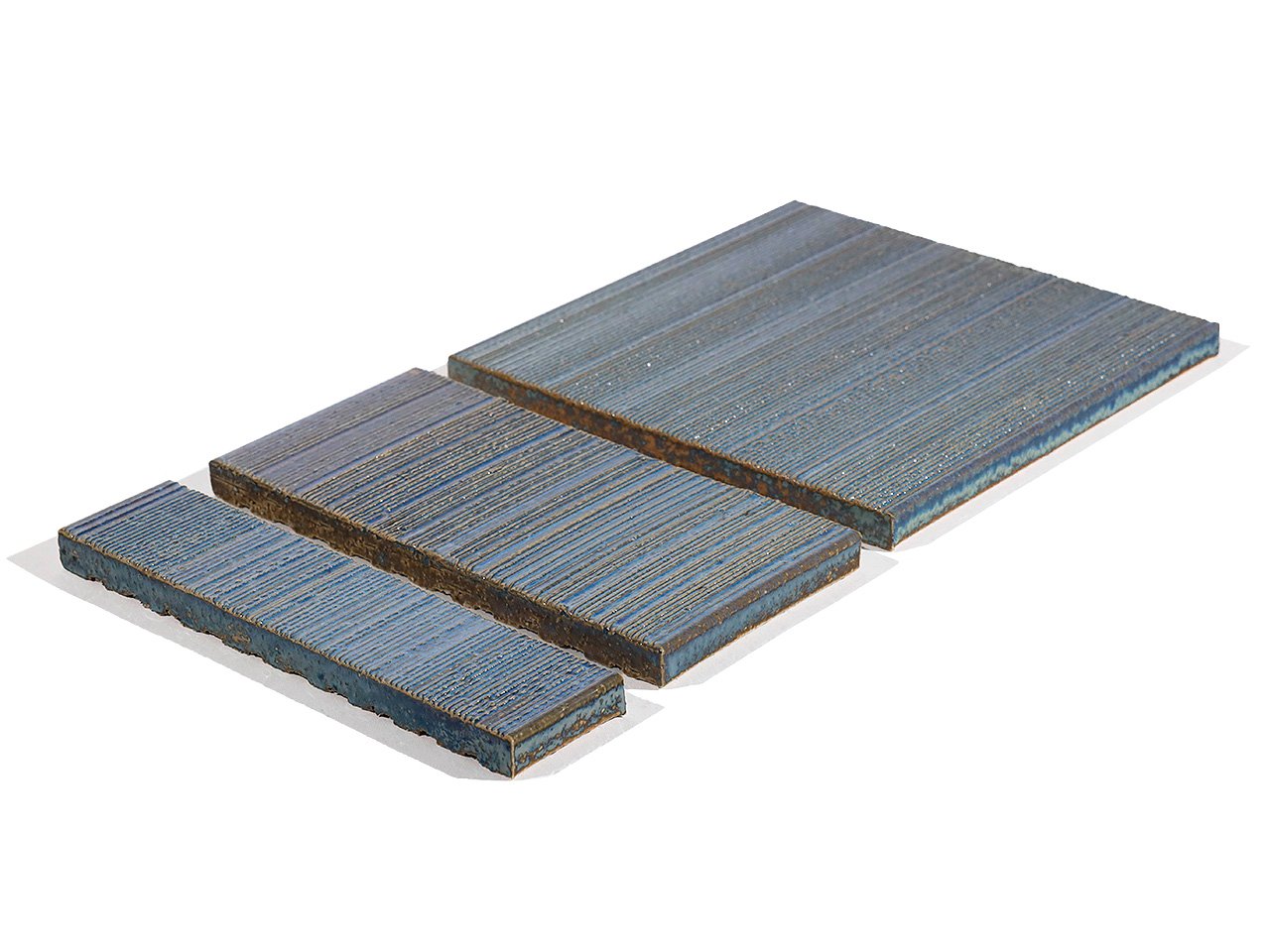
Flat variants. DKF-35, DKF-75, DKF-155
-
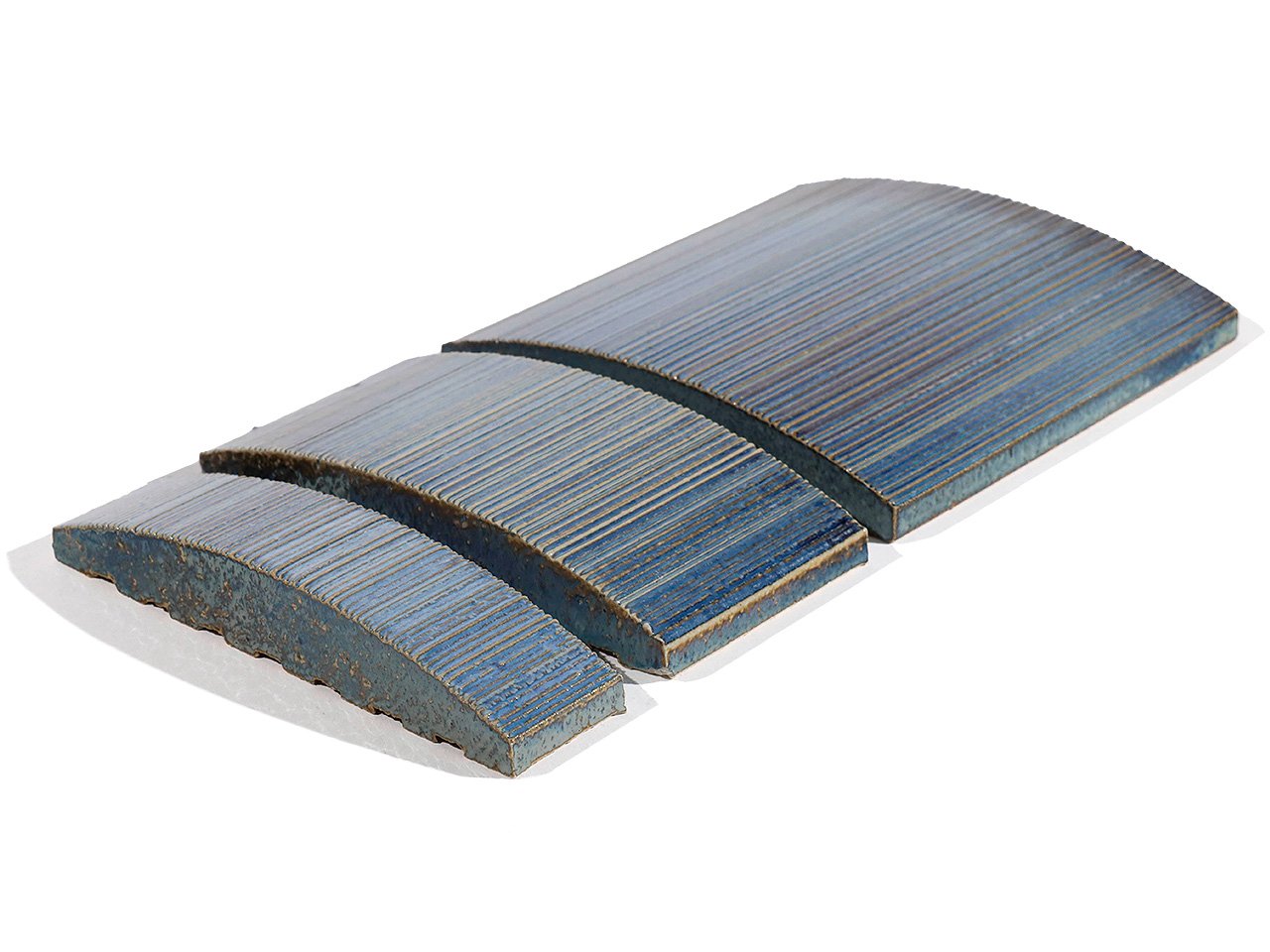
Convex formats. DKT-35, DKT-75, DKT-155
The combination of three different widths offers remarkable compositional freedom. Alternating between large, medium, and small pieces creates a natural, balanced rhythm that breaks the uniformity of the surface and introduces a subtle sense of movement. Rather than following a repetitive pattern, the composition unfolds gradually as the eye moves across the wall, revealing new nuances with every glance. It is the changing proportions between the pieces that ultimately define the character of the space.
-
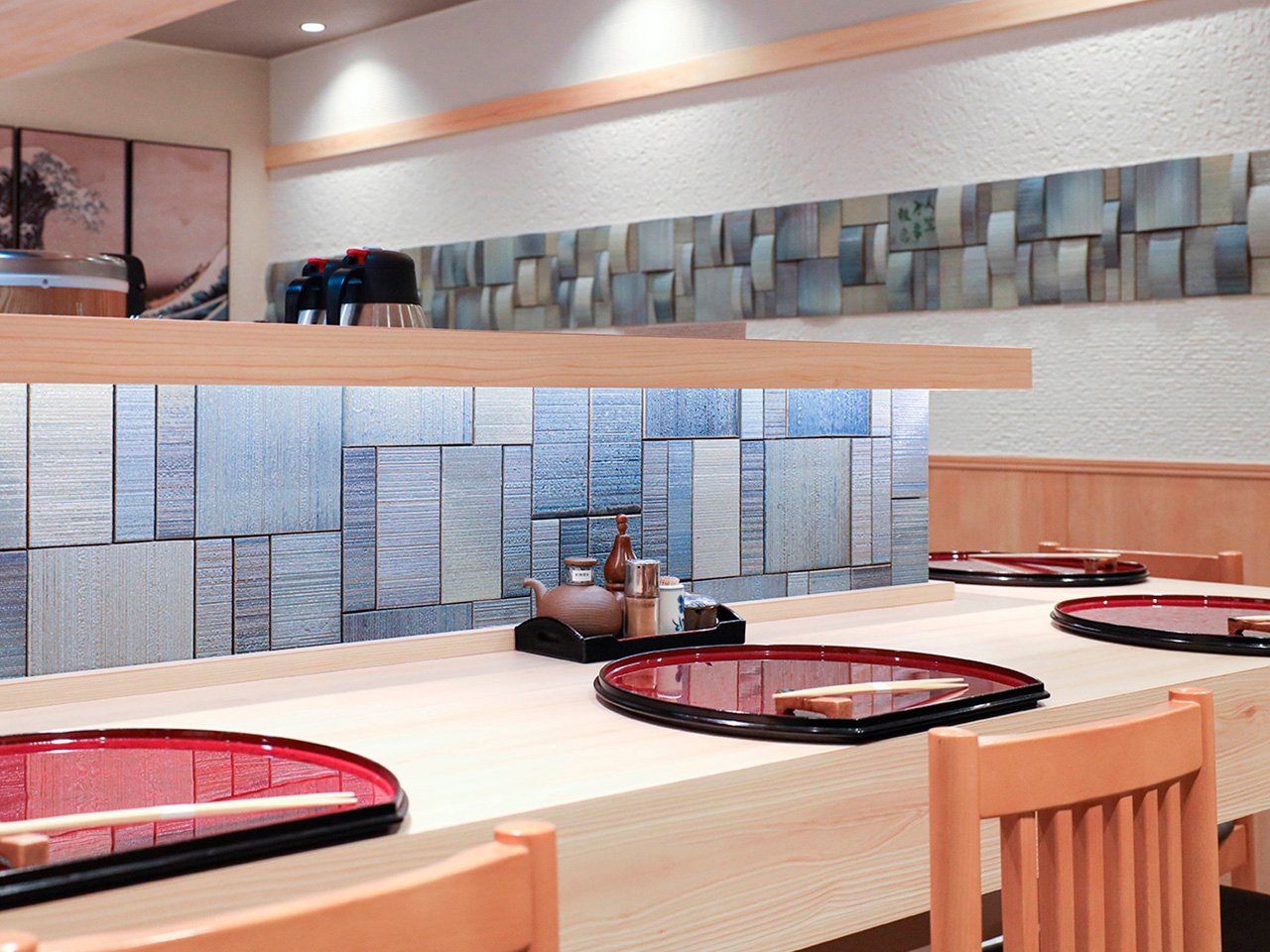
Project: Kakiage Suzuten
Client: Kotobuki Shoten Co.,Ltd.
Design & Construction: Sato Construction Co., Ltd. -
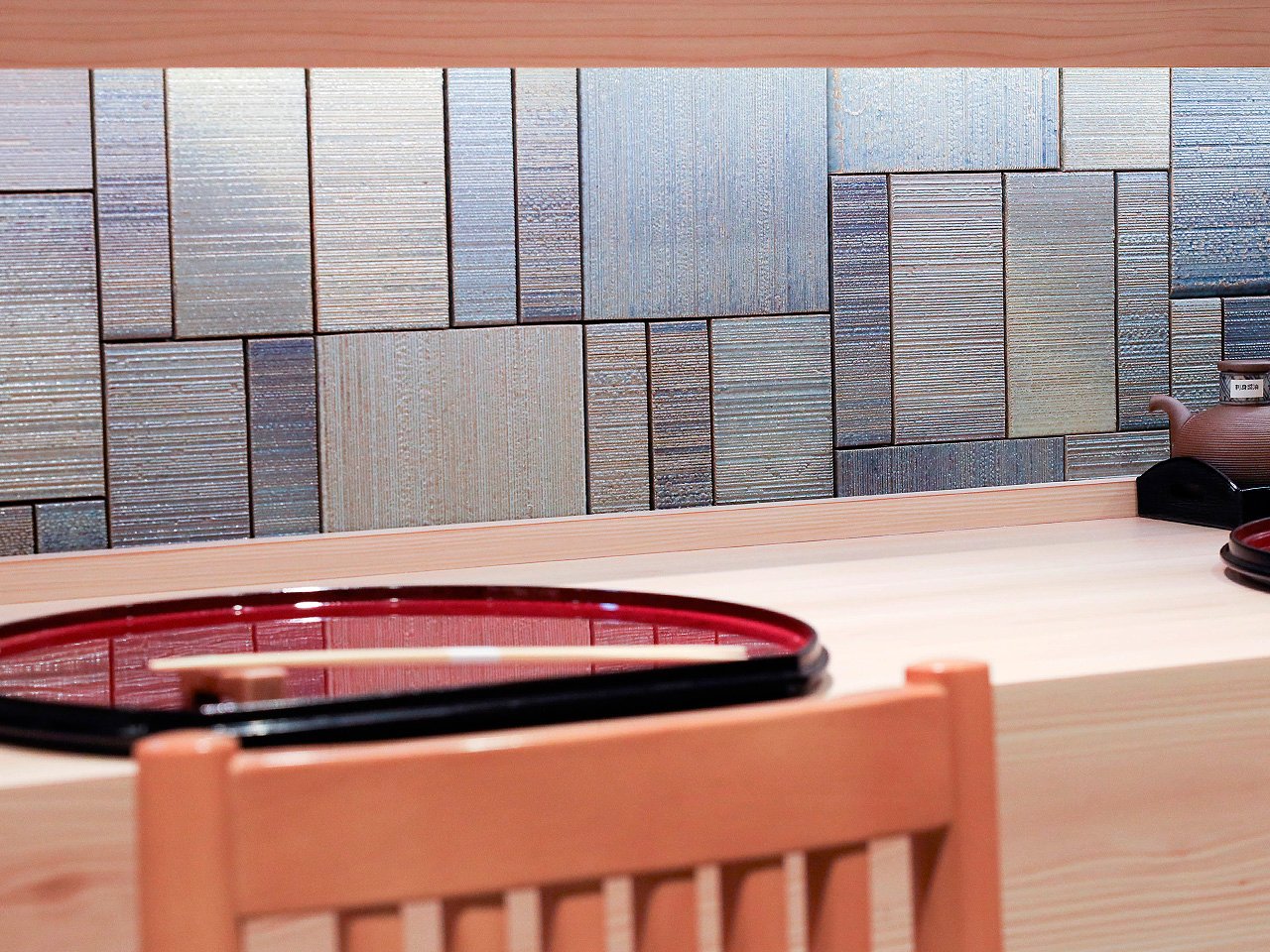
Counter Table – Flat Combination Detail
The combination of flat and convex surfaces further expands Taiko’s compositional possibilities, allowing it to transcend the idea of a simple wall covering and become an architectural element in its own right. The dialogue between the different formats creates a rich, balanced expression, as light responds differently to each surface, revealing the texture through delicate plays of light and shadow that continuously evolve throughout the day and as the viewer’s perspective changes.
-
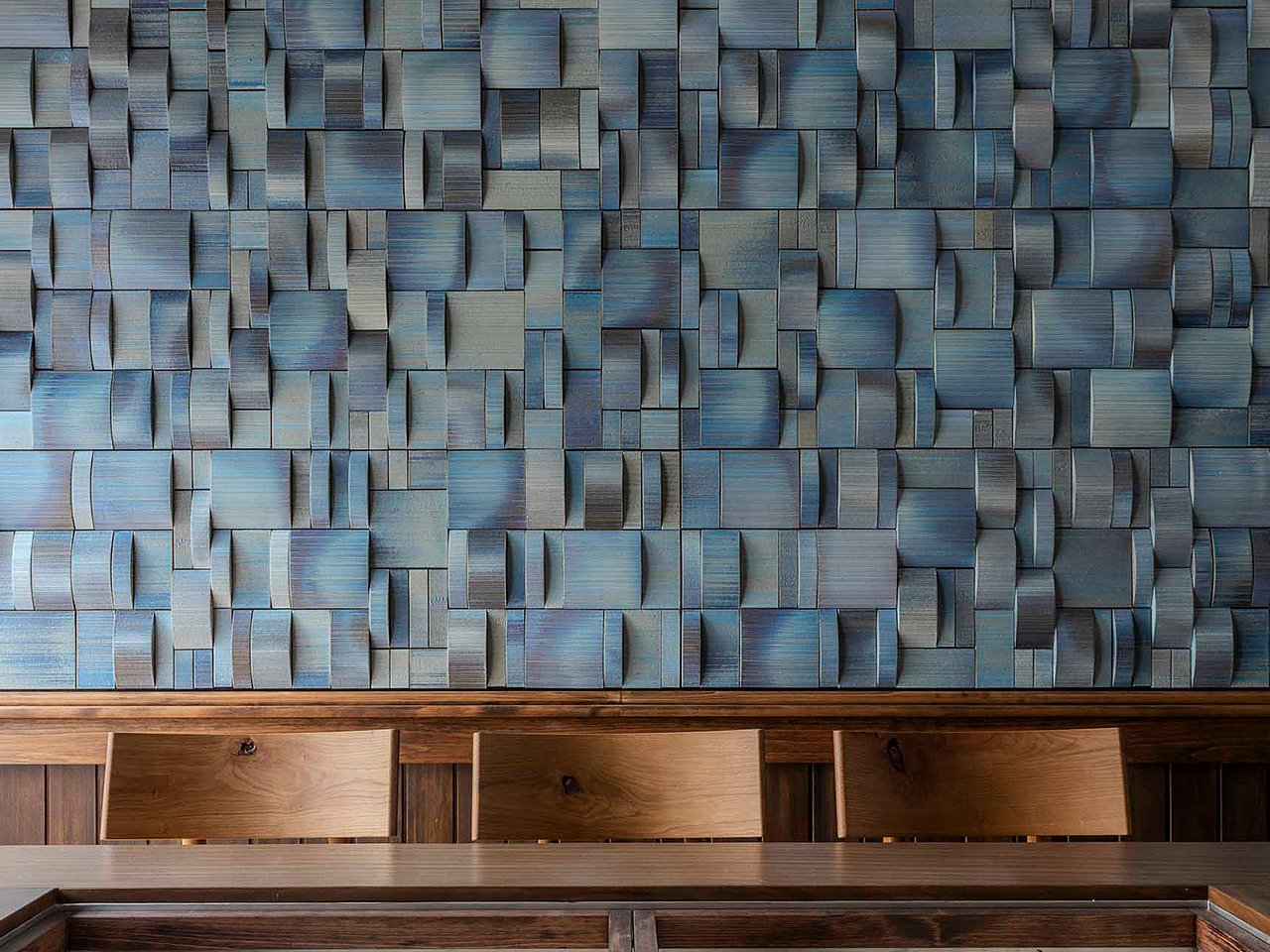
Project: Ikkei Guest House
-
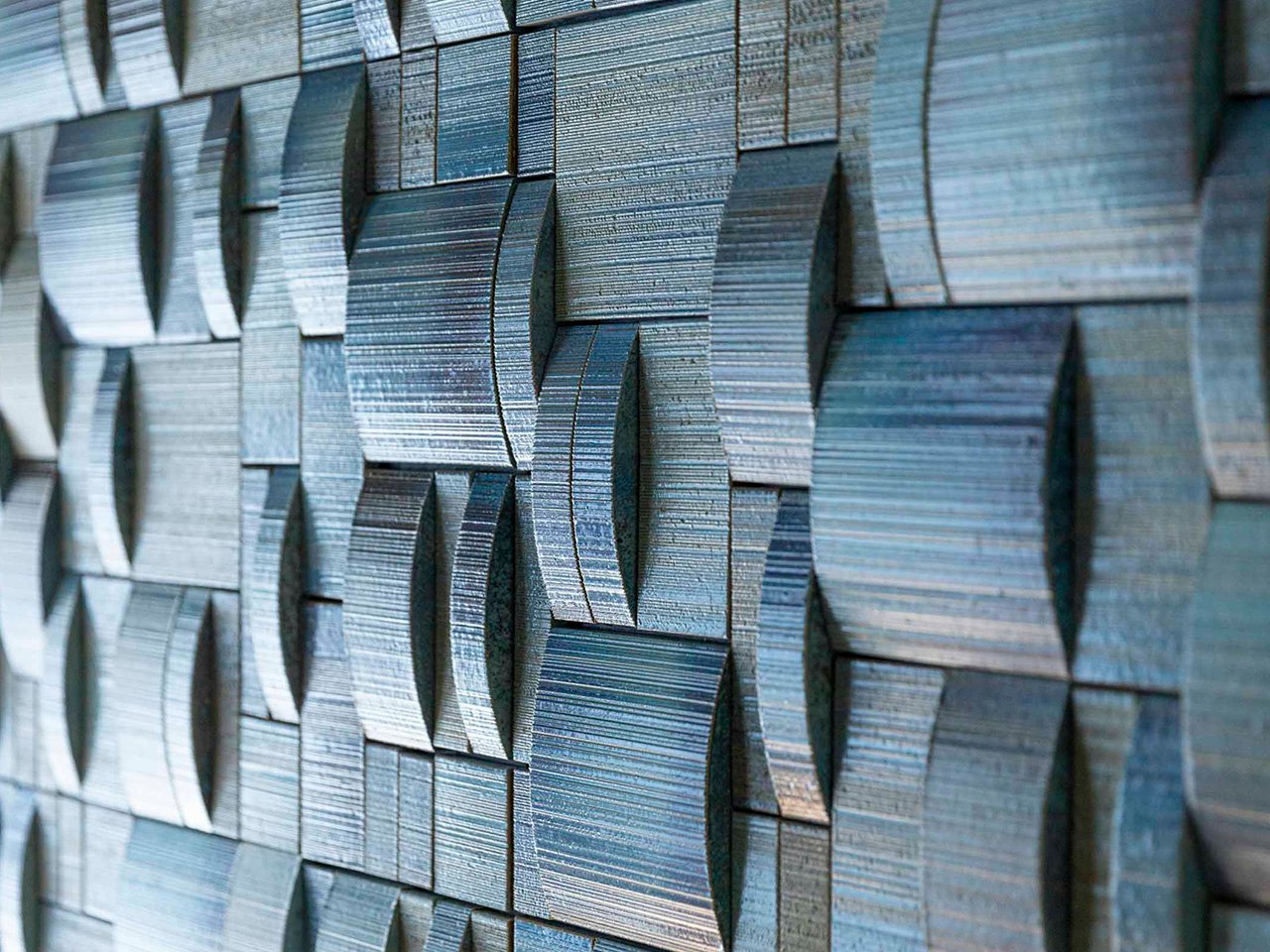
Dining room wall detail with Taiko’s flat and convex models
The Traditional Process Behind the Creation of Taiko
Taiko’s genuine expressiveness is rooted in its manufacturing process. Unlike most ceramic tiles, which are produced by dry pressing for mass production, Taiko is shaped using the traditional wet extrusion method of Japanese craftsmen. This technique allows the material to express its full richness, creating tiles with distinctive relief, subtle nuances, and an unmistakable character.
The manufacturing process begins when the selected clay, rich in moisture and still highly plastic, is pushed through the nozzle of an extrusion machine. As it passes through the nozzle, the clay is shaped into a continuous body, then cut to the desired size.
The pieces are then dried through a slow and controlled process that preserves their form and the subtle expressions inherent to the clay. Once dried, they are glazed with two layers of glaze that enhance the surface relief and reveal unique variations in color and depth.
-
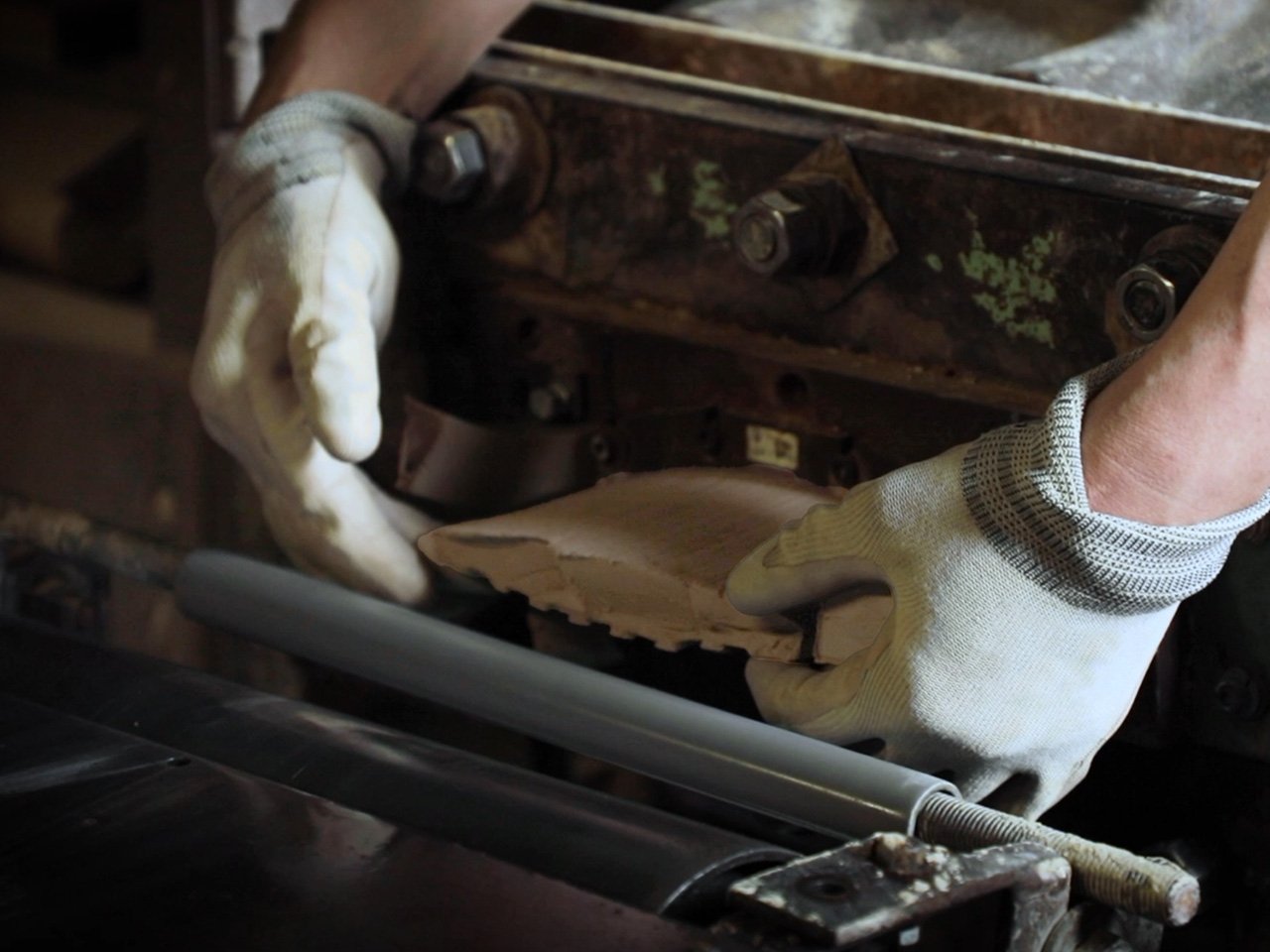
Extrusion makes richer textures possible
-
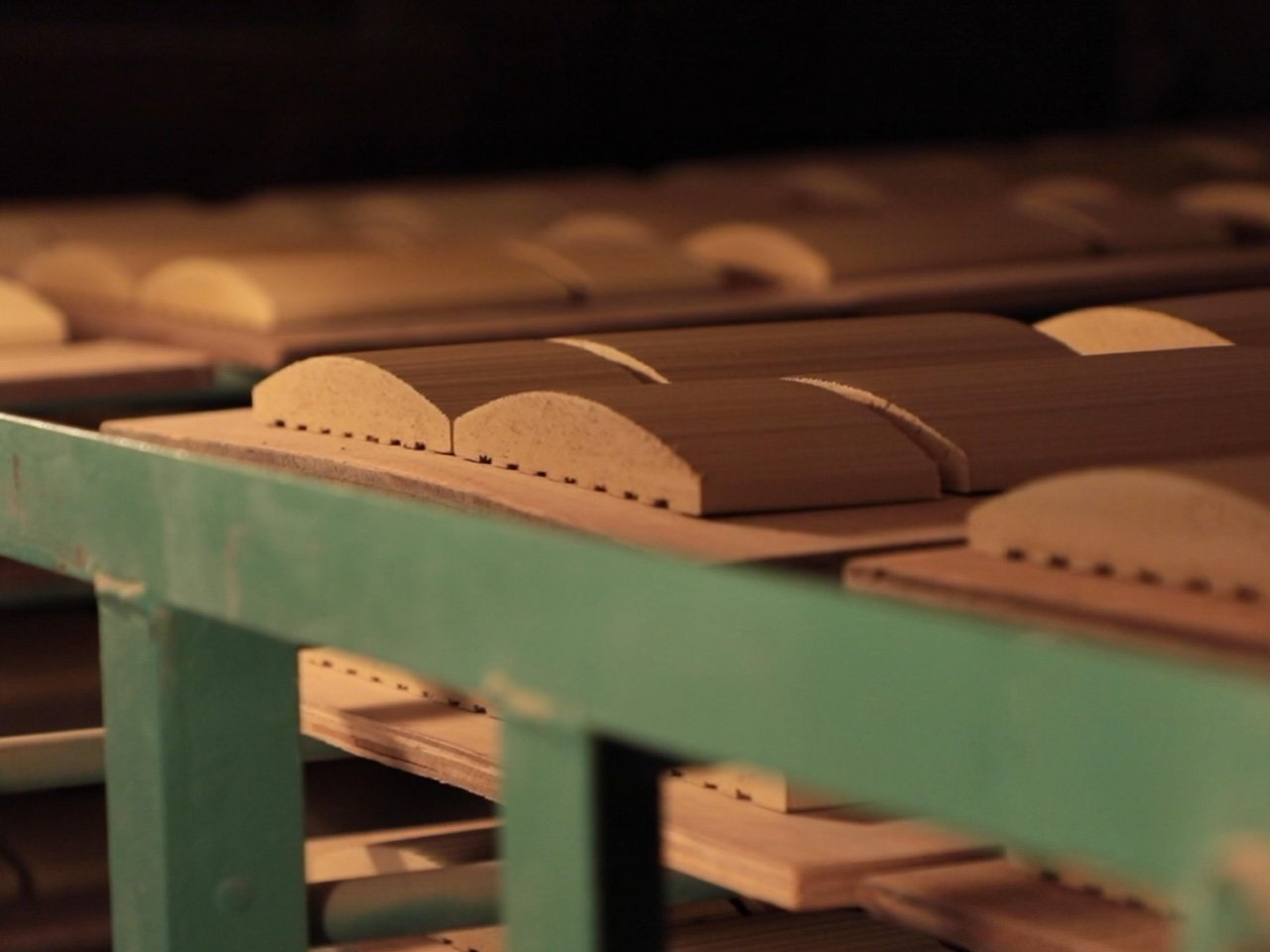
Careful drying ensures dimensional stability
The tiles are then fired in traditional tunnel kilns under the expert supervision of ceramic artisans. The interaction between clay, glaze, and fire gives rise to exquisite variations in color and unique nuances, making every piece one of a kind.
After firing and cooling, each piece undergoes a careful manual inspection, where artisans verify its quality and final finish before it becomes part of an architectural project.
-
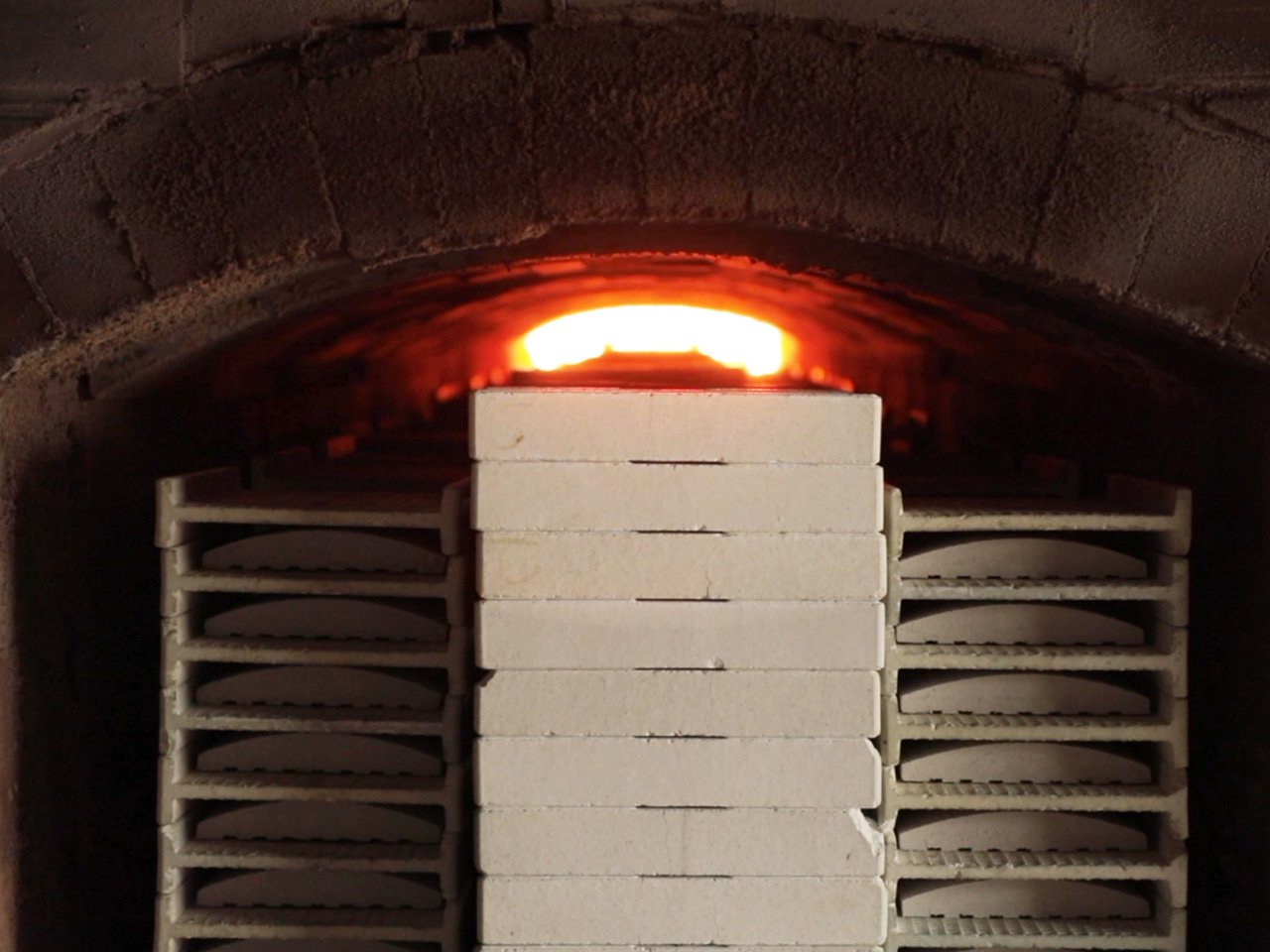
Fire reveals the full character of the glaze
-
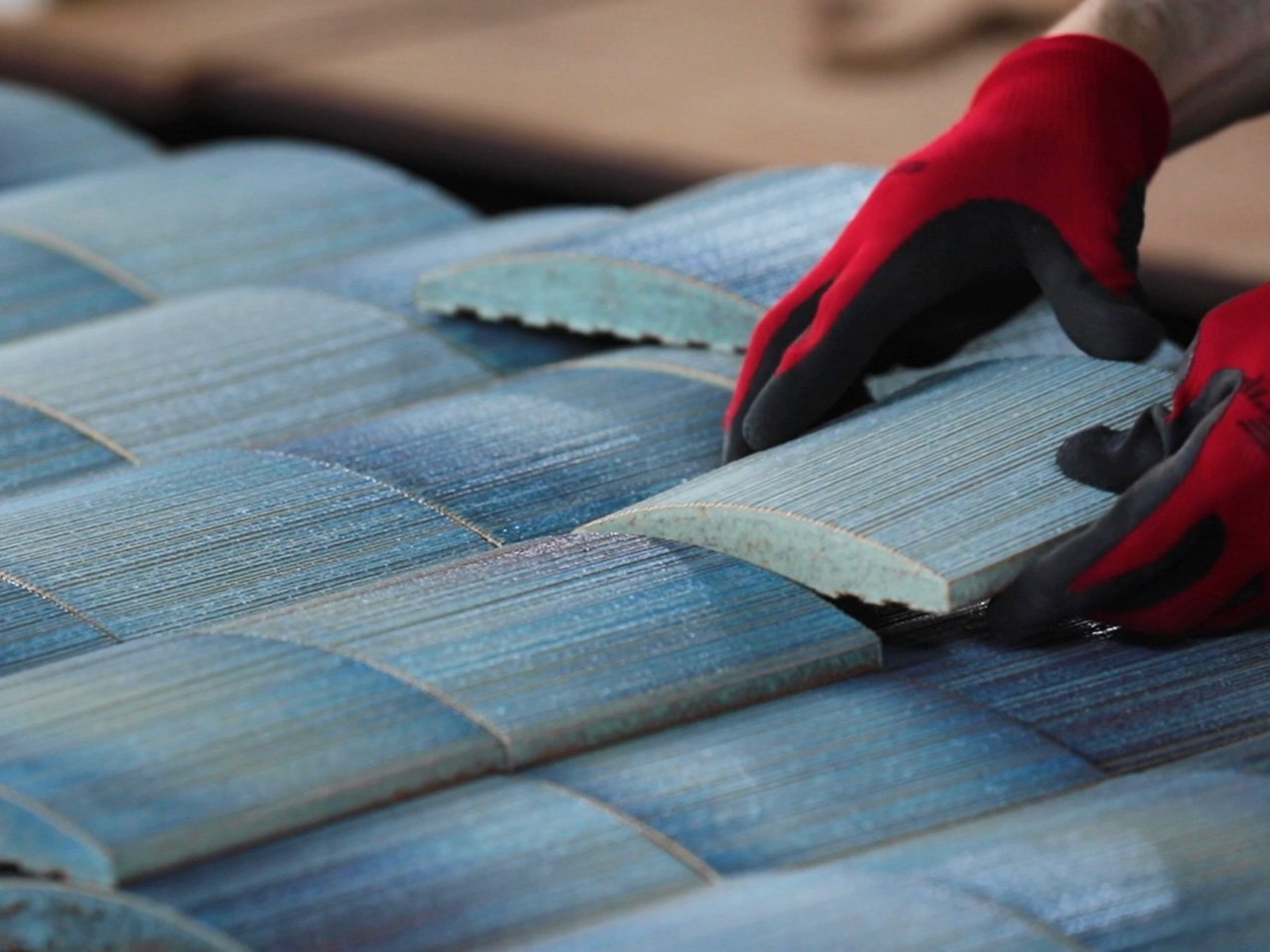
Each tile is checked to meet the quality standards
Summary
From its expressive surface, where traditional Japanese glazes reveal subtle color variations, to its versatile formats, designed to inspire creative compositions, Taiko offers architects and designers a distinctive collection for bringing unique spaces to life.
Crafted using the traditional wet-forming method practiced by skilled Japanese ceramic artisans, each tile reflects the authenticity and individuality that define Japanese ceramic craftsmanship. If you would like to learn more about the collection, request samples, or discuss your next project, we would be delighted to hear from you.
Note: This article has been reviewed using ChatGPT.
