Gashu. Japanese Tiles Inspired by Traditional Textures
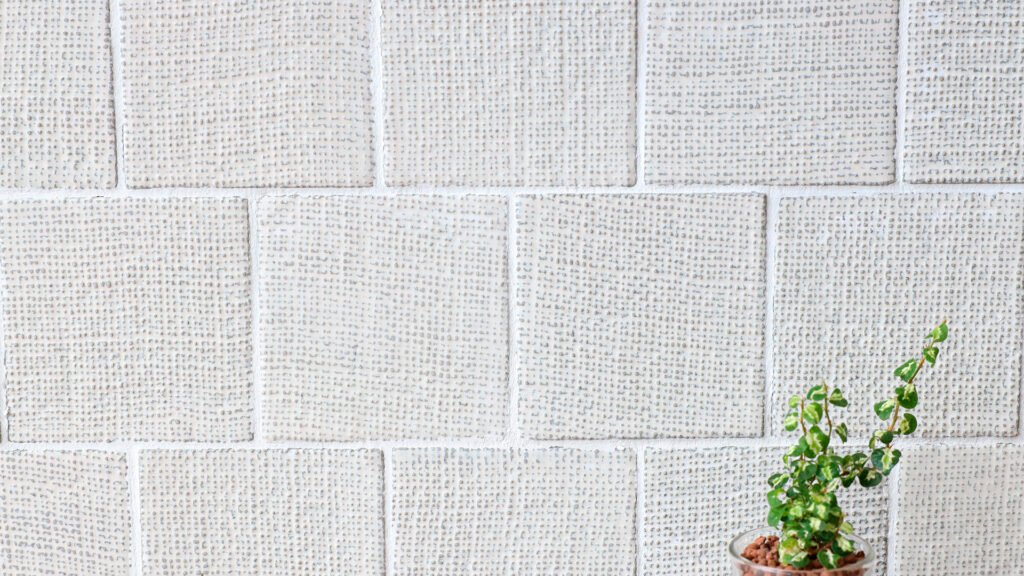
Gashu is a collection that invites you to discover some of the elements that give Japanese tiles their distinctive character: unique textures, glazes made using time-honored techniques, and the variations created by fire during the firing process. In this article, we take a closer look at what lies behind Gashu and how these elements come together to create a collection rich in subtle variations.
Table of Contents
A Texture Rooted in Tradition
Inspired by the subtle beauty of traditional Japanese aesthetics, Gashu brings together a sense of elegance, refinement, and harmony. In Japanese, the term Gashu is associated with an understated sophistication, characterized by good taste and aesthetic sensibility. It describes the appeal that emerges from balance and harmony, where beauty is not immediately revealed but gradually unfolds through careful observation.
This appreciation of subtle details extends to the surface of the tile, where texture becomes an essential part of its character. The surface recreates the delicate weave of kaya, a traditional Japanese textile known for its lightweight structure and subtle pattern. Applied to the ceramic surface, this texture creates a richly nuanced finish that conveys a sense of softness and warmth, inviting you to appreciate it both visually and through touch.
-
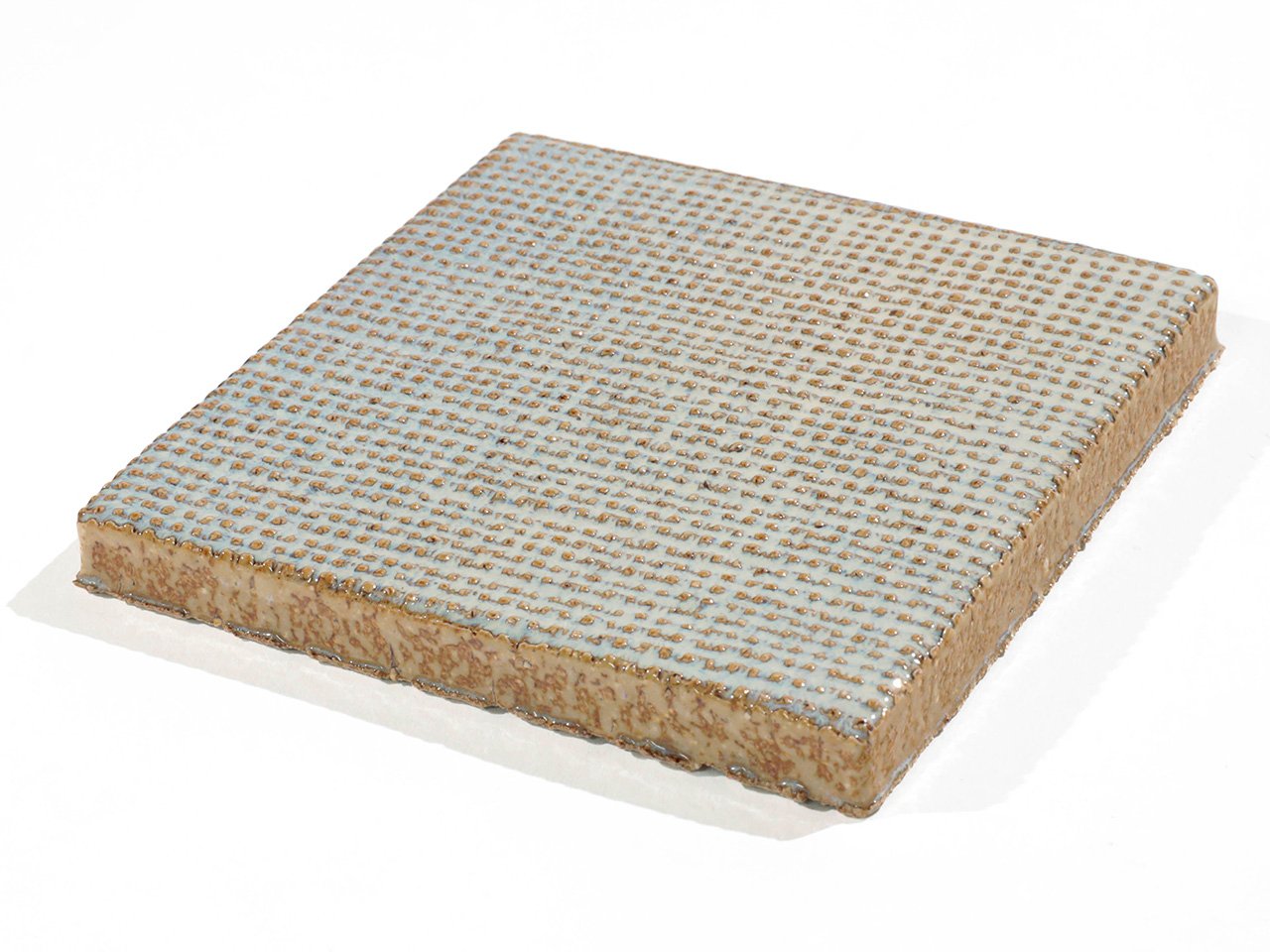
Model GS-122
-
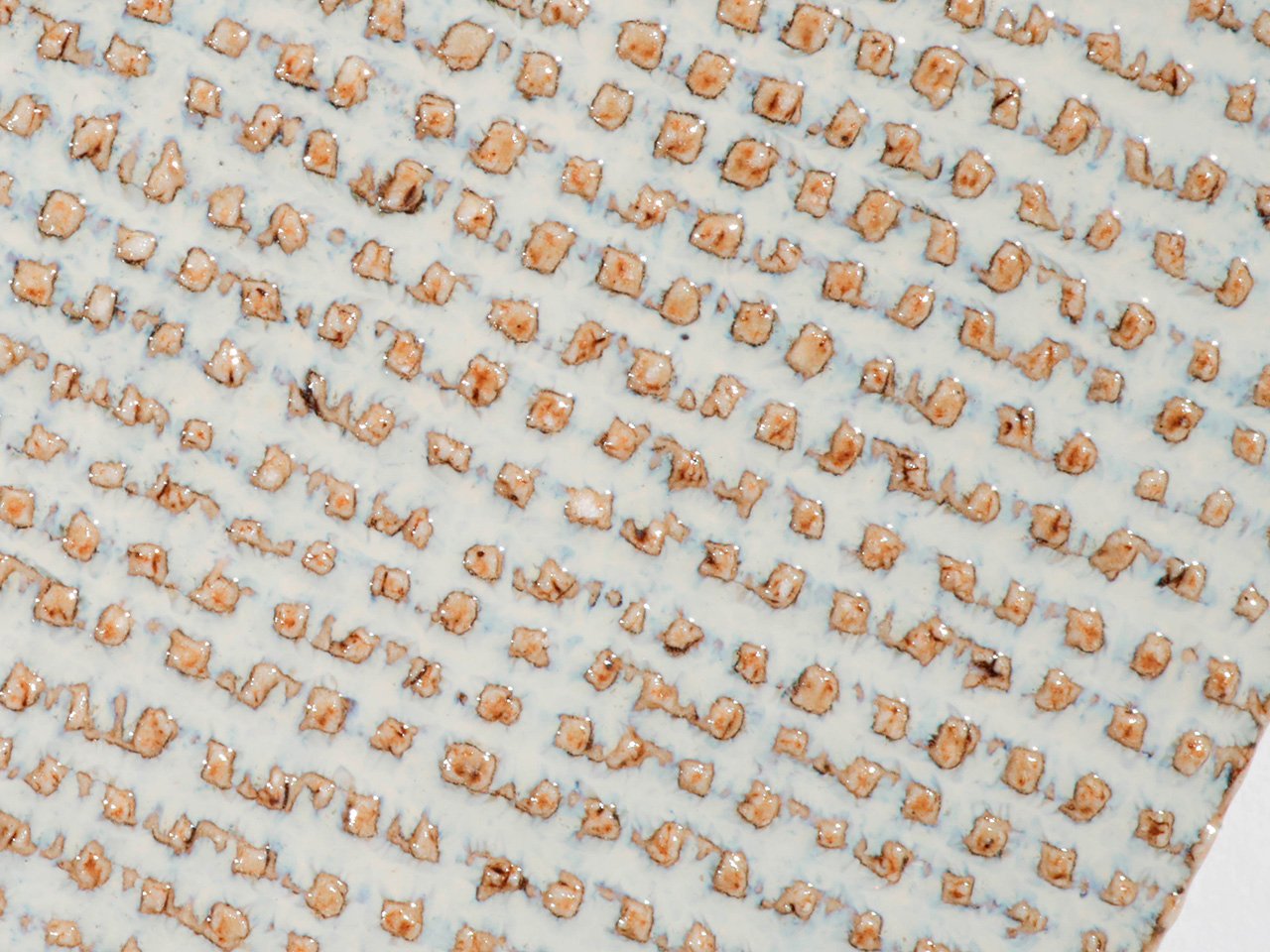
GS-122 Surface Detail
The Infinite Shades of Japanese Tiles
Made in the heart of Japan, in the Mino region, an area with more than a thousand years of ceramic history, Gashu tiles are crafted from carefully selected local clays and shaped using the traditional wet extrusion method. While the clay is still soft, traditional fabrics are pressed onto the surface of each tile, leaving behind a delicate pattern that, once glazed and fired, reveals the depth and rich color variations that define the collection.
Available in eight colors, the collection features glazes created using one of the oldest techniques in Japanese ceramics. Made from a base of plant and wood ashes, these traditional glazes give each piece a depth of color and richness that cannot be achieved with conventional industrial glazes.
It is during the firing process that Gashu takes on its final character. The tiles are fired in kilns with a controlled atmosphere, where the flames move around the ceramic pieces and interact with their glazes, creating subtle variations in color and tone.
-
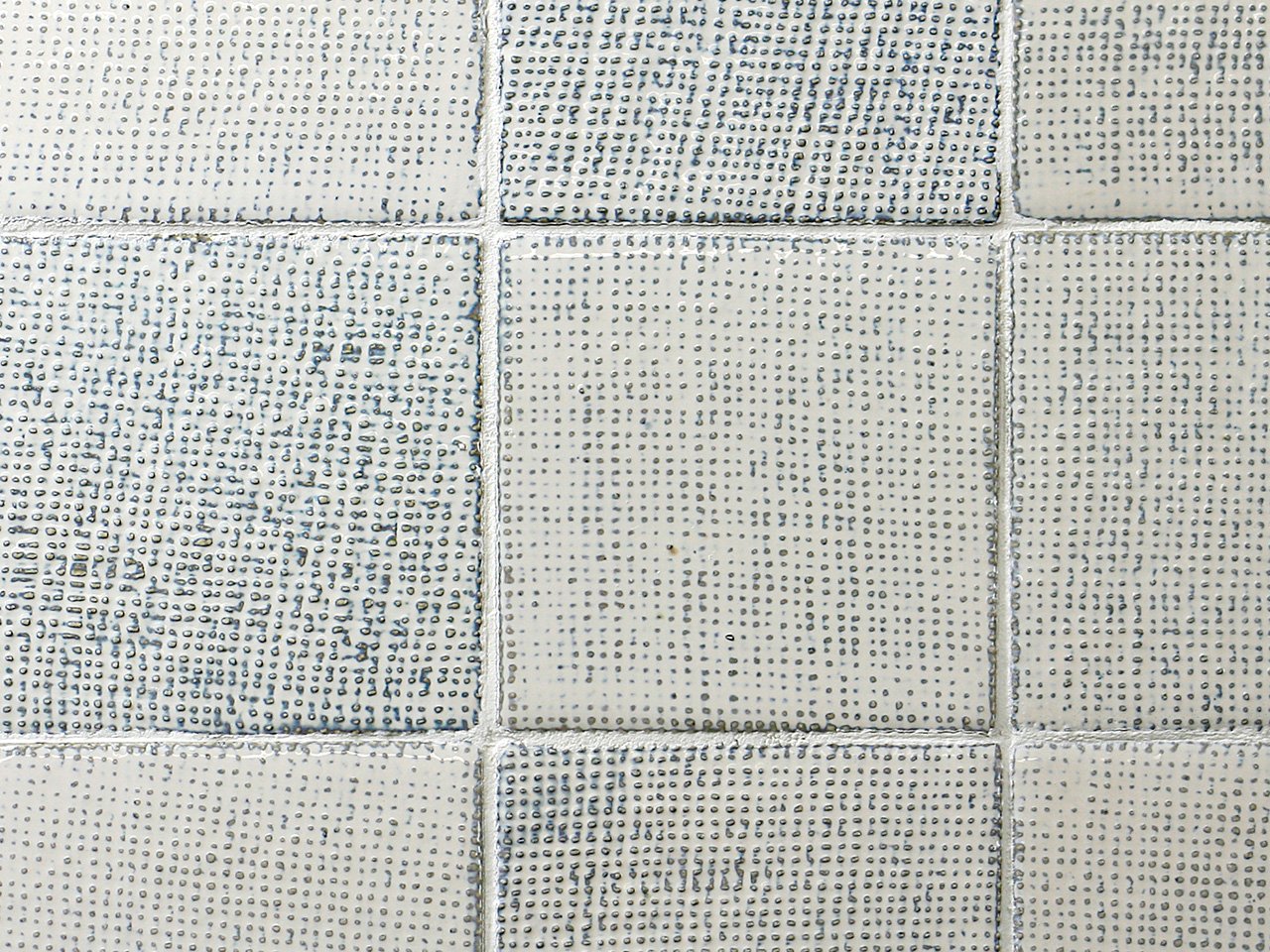
GS-121 color variations
-
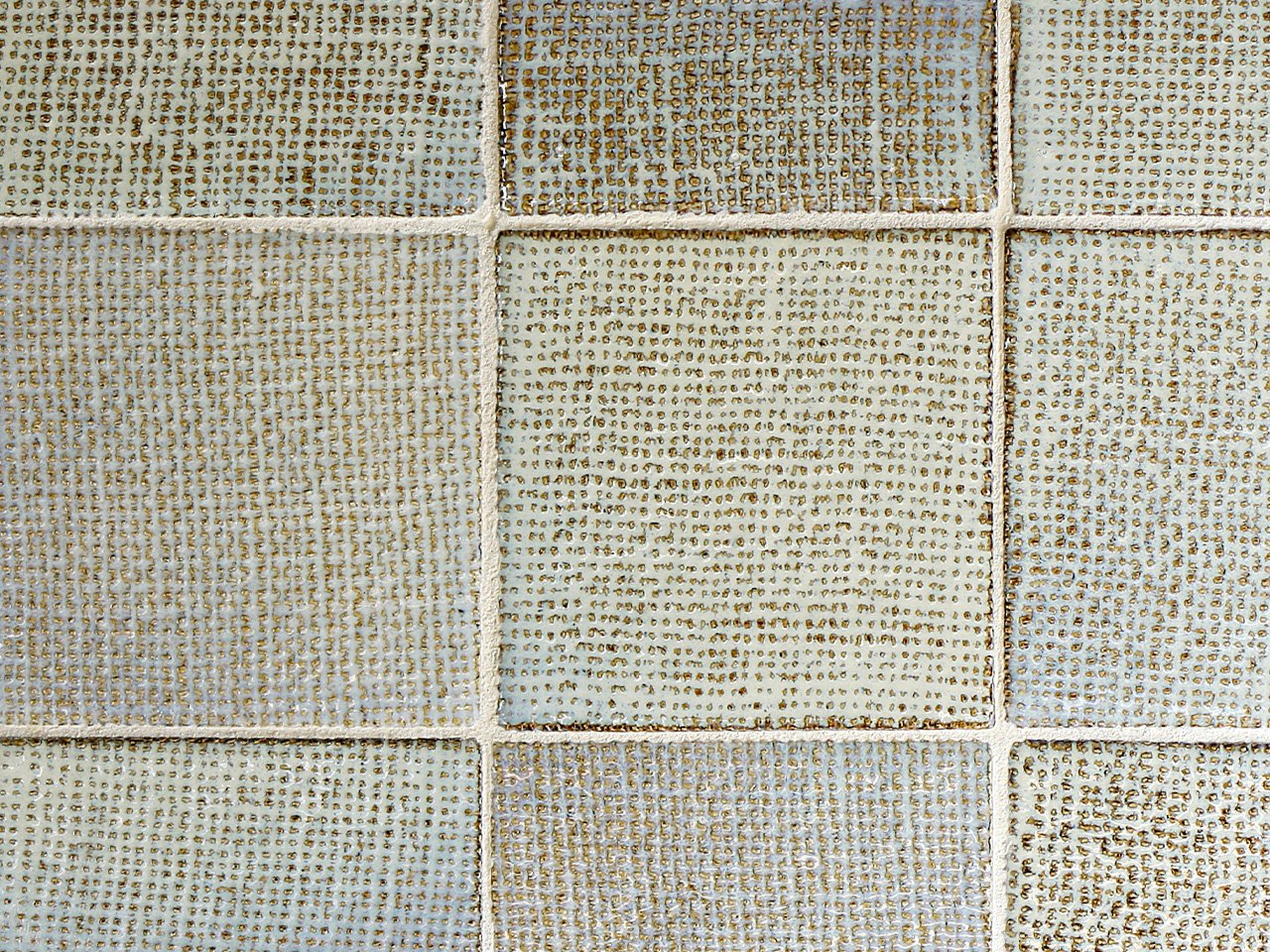
GS-122 color variations
As a result of the firing, the eight original glazes develop into an endless range of shades and nuances, making each tile truly one of a kind. It is in these countless variations, and in the impossibility of creating two identical pieces, that the beauty of imperfection emerges, a defining quality that makes Japanese ceramics so distinctive and highly valued.
-
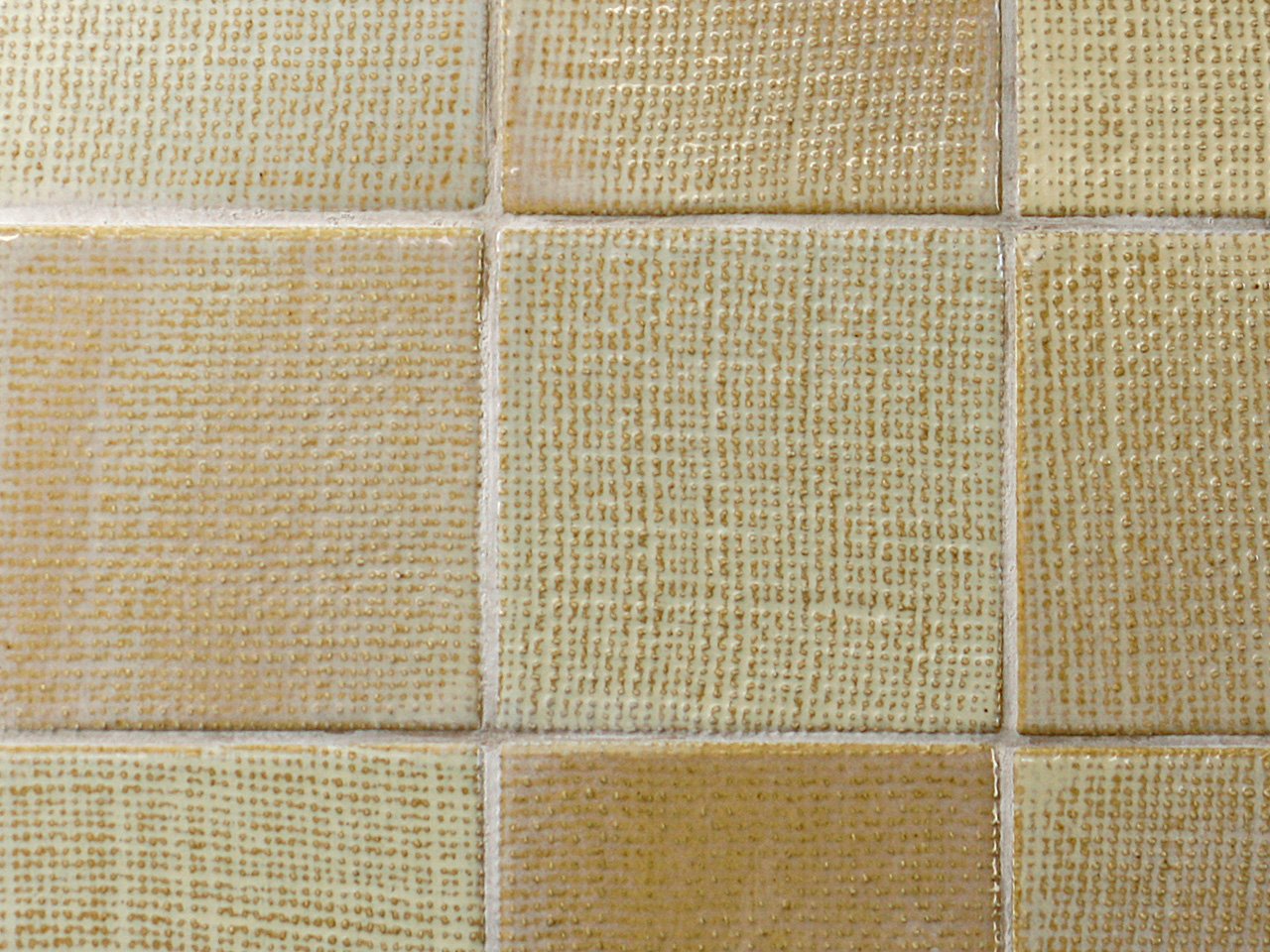
GS-123 color variations
-
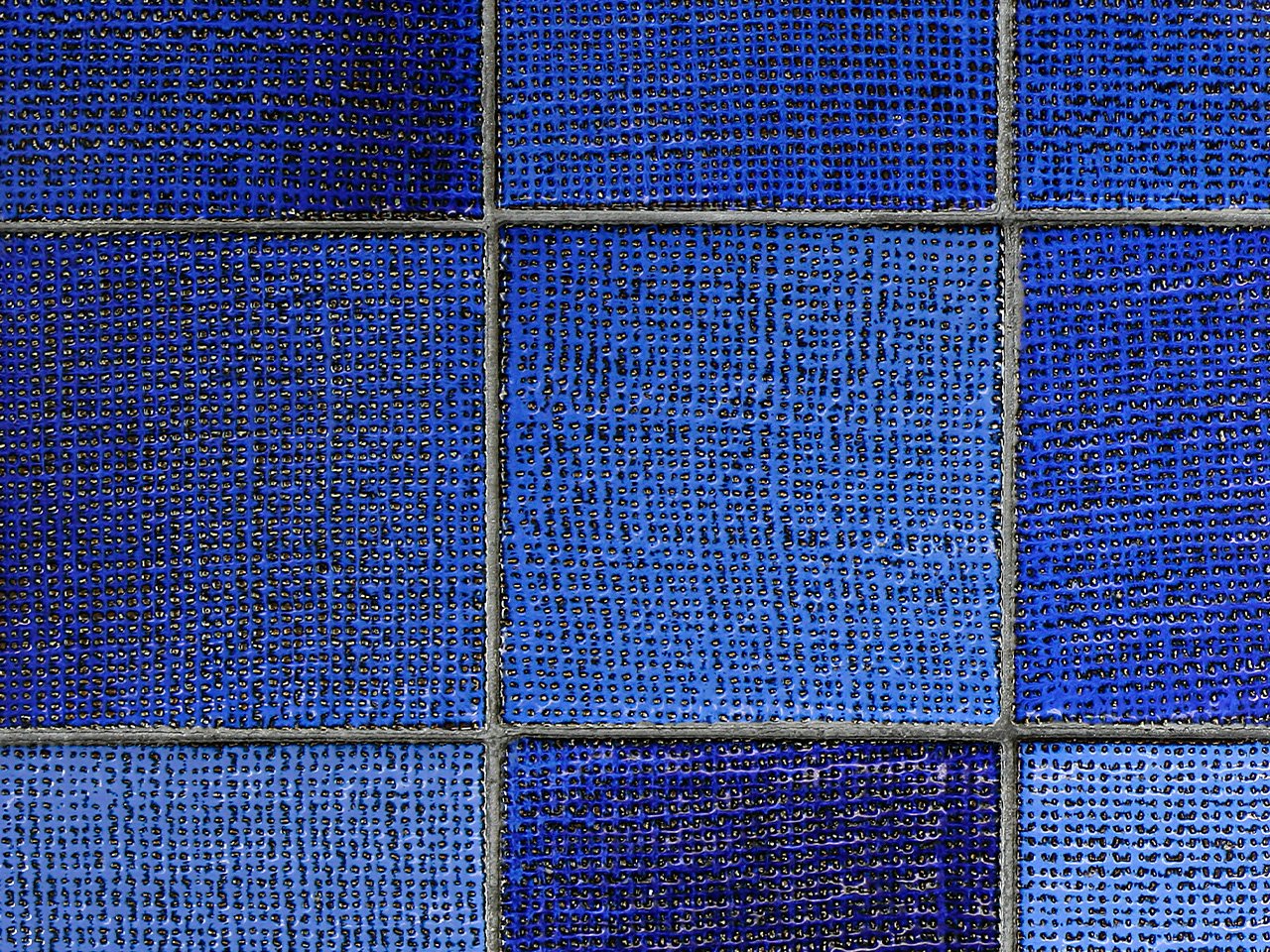
GS-127 color variations
Formats That Inspire Compositions
The collection is available in two square tile sizes, alongside a selection of molding and border pieces. The two square formats can be combined in different ways to create customized wall designs, allowing the character and visual rhythm of the surface to be tailored to each project.
Molding and border pieces add another layer of versatility, creating possibilities for transitions between surfaces and helping achieve more integrated finishes, subtle transitions, and compositions with greater visual depth.
-
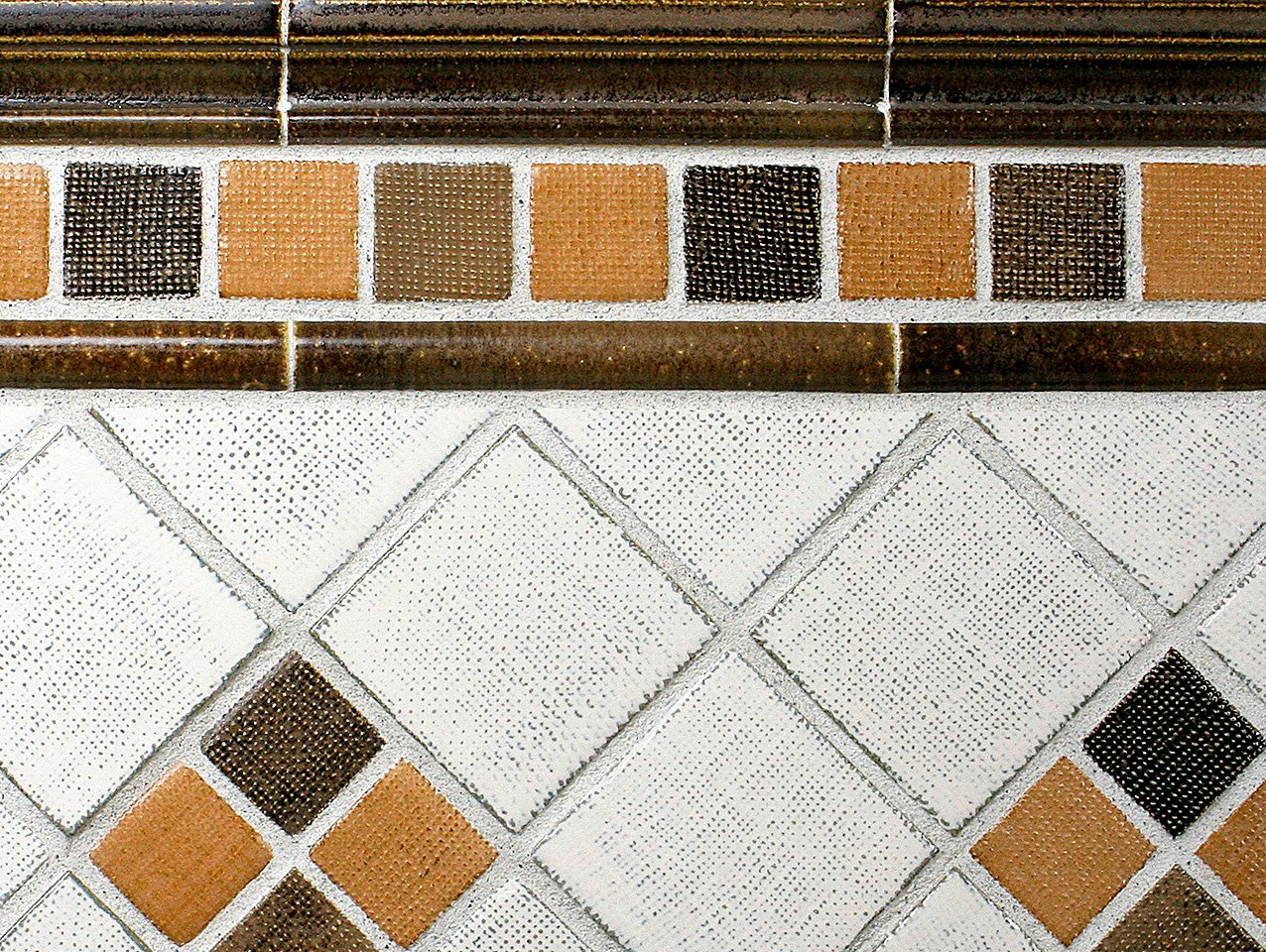
Tiled wainscoting. Varied formats and color contrasts
-
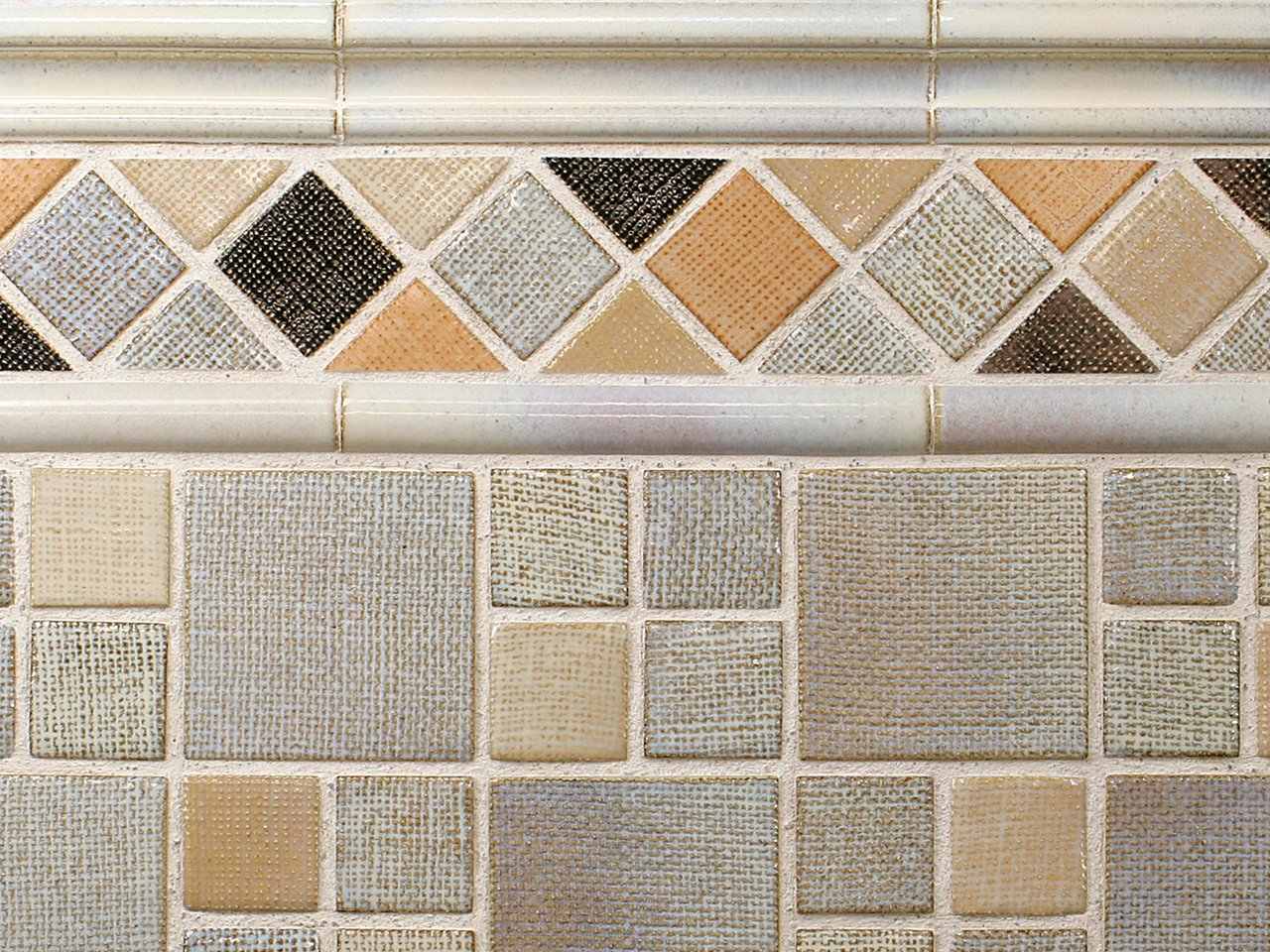
Endless compositions through color and format
Designed primarily for wall applications, Gashu is suitable for both interior and exterior spaces thanks to its resistance to frost damage. Used on interior walls or facades, the collection creates surfaces with a strong material presence, where the texture, depth, and subtle color variations of the Japanese ceramic interact with light to create unique atmospheres.
-
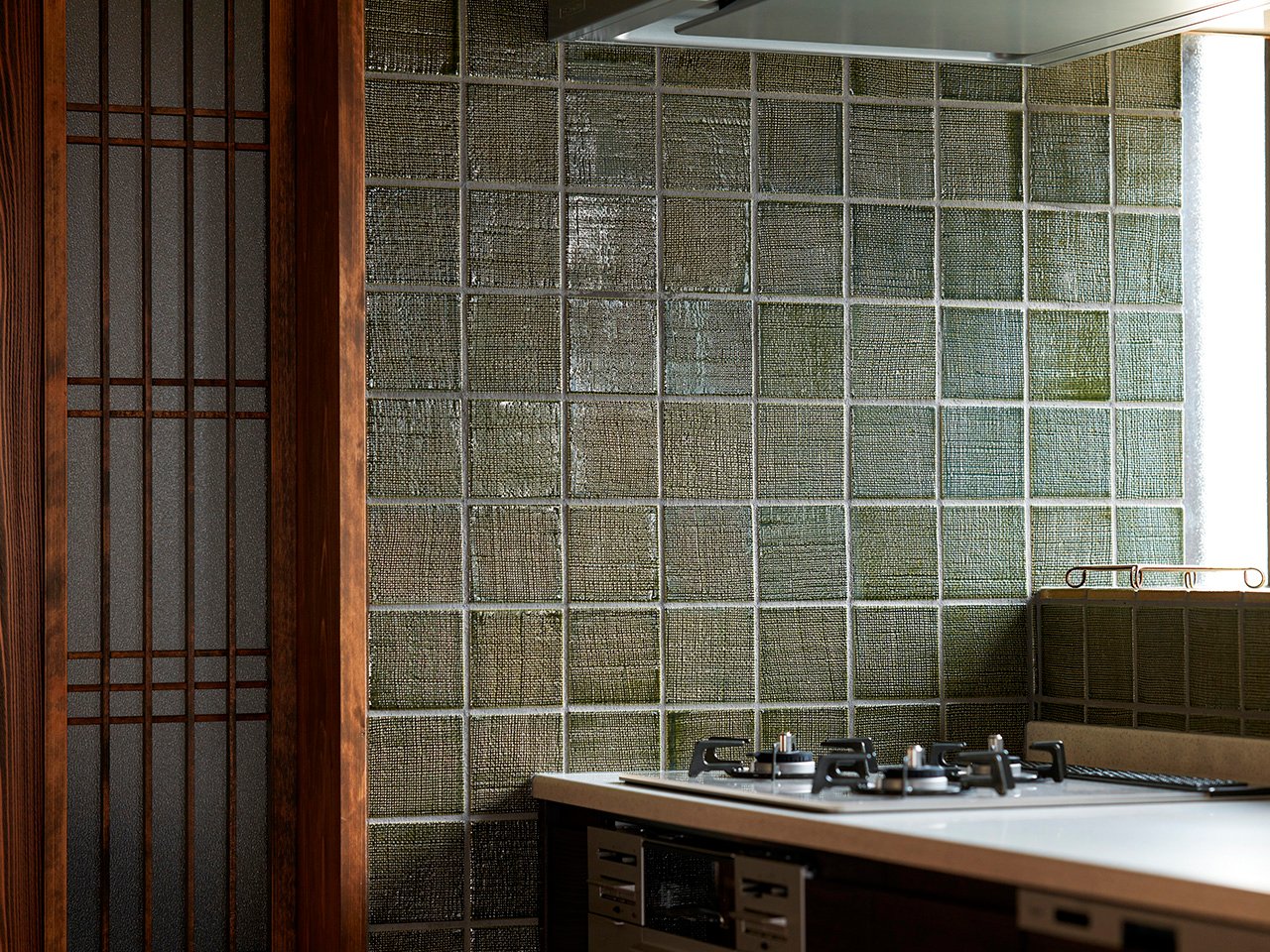
Project: Ikkei Guest House. Used tiles: GS-128
-
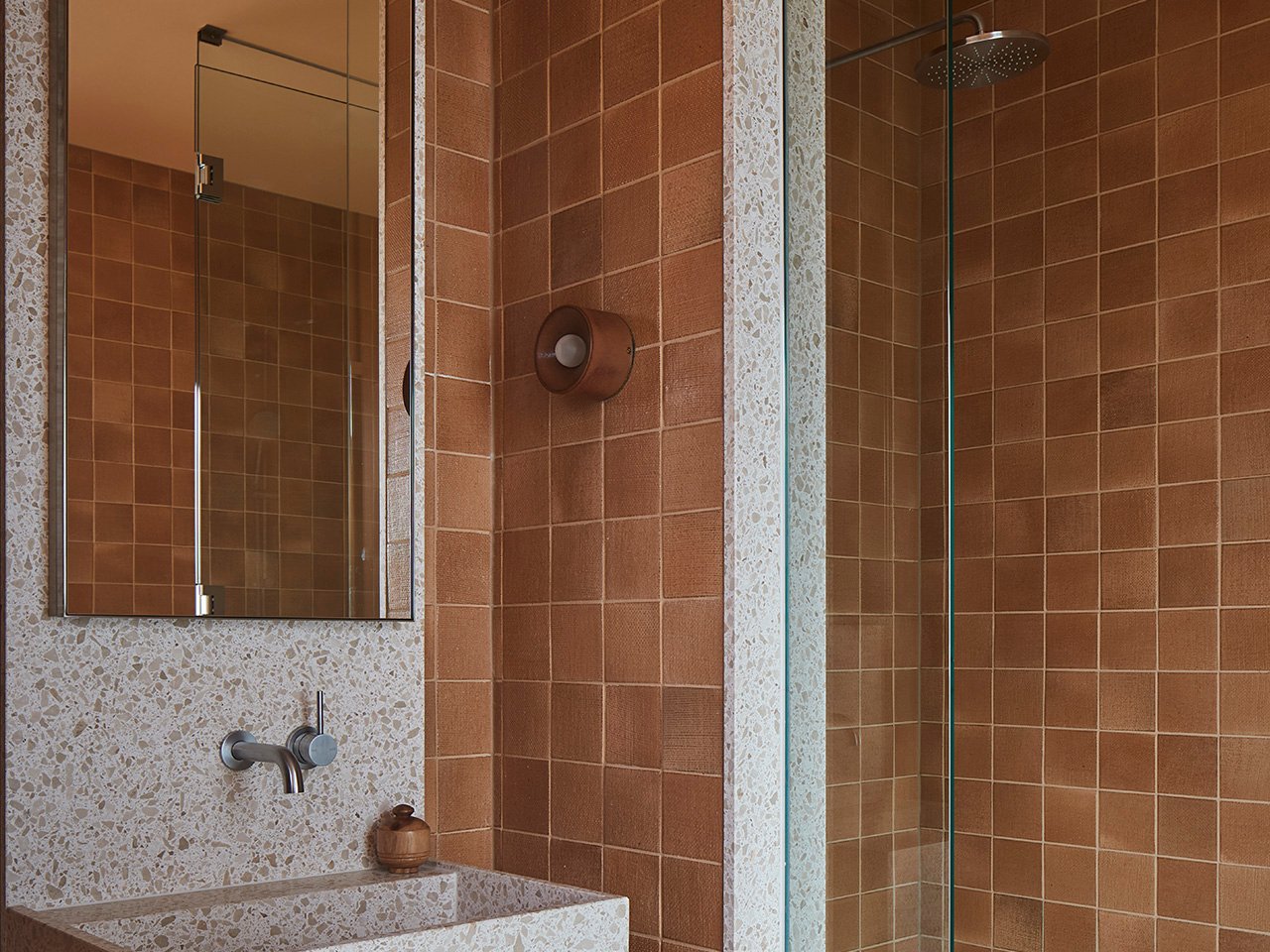
Project: Sorrento Residence. Design: Hecker Guthrie. Photo : Shannon McGrath. Used tiles: GS-125
Summary
Gashu is a collection that embodies many of the qualities that define Japanese ceramics. From the clays and glazes to the manufacturing process and the influence of fire during firing, every element contributes to creating a surface where material and craftsmanship play an essential role.
The result is a collection that is understated and refined, yet rich in subtle variations, bringing the sensibility of Japanese tiles to architectural projects in a variety of settings. The range of colors and formats, further expands its compositional possibilities, making it easy to create spaces where this distinctive character can be naturally integrated.
Note: This article has been reviewed using ChatGPT.
