400 Years of Traditional Kyoto Patterns in Ceramic. Karacho
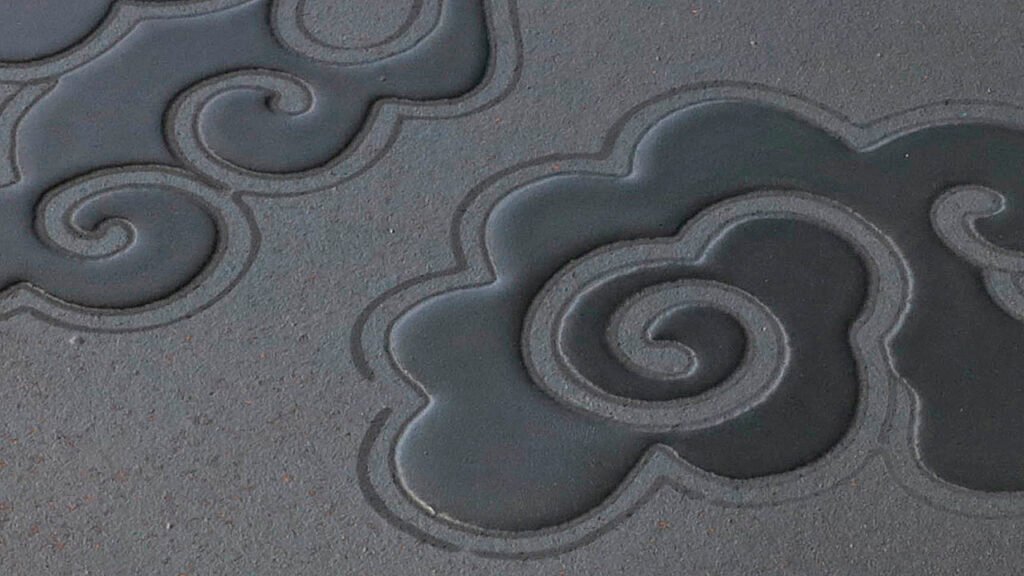
What happens when a centuries-old paper craft meets contemporary ceramic making? From Kyoto’s living traditions emerges a collaboration that transforms pattern, texture, and meaning into something entirely new. Step inside the story behind Karacho tiles.
Table of Contents
■ The Birth of a Unique Collaboration
Founded in Kyoto in the early 17th century, Karacho is a long-established studio dedicated to the art of karakami—decorative papers that have traditionally adorned sliding doors and wall surfaces in historically significant Japanese architecture.
With an unbroken lineage dating back to the Edo period (1603–1867), the studio represents a rare living tradition within Japanese decorative arts. Today, the practice is carried forward in Kyoto by karakami artist Choemon Senda, together with Aiko Senda, the current head of the studio, who continue to reinterpret and sustain this centuries-old craft for the present day.
Both karakami artists were deeply inspired by our handcrafting process for decorative tiles, leading to the birth of a unique collaboration with our company.


■ Karakami: A Living Japanese Craft
Karakami is a traditional Japanese decorative paper made using hand-carved woodblocks bearing classical patterns, which are then hand-printed onto handmade Japanese paper (washi).
The printing process involves applying pigments blended with materials such as mica using a tool called a furui (a flat hand tool), covered with fine gauze. With a gentle hand movement—almost as if caressing the surface—the color is transferred onto the washi. As it dries, a subtle relief emerges, creating a delicate texture and depth that cannot be reproduced through mechanical printing.
This craft is believed to date back to the Heian period (794–1185), when karakami was valued as a refined medium for writing poetry. Later, changes in architectural design led to a broader use of karakami in interior spaces. It came to be used on partitions, folding screens, sliding doors, and wall surfaces. By the Edo period (1603–1867), karakami had become deeply embedded in Japanese culture.
■ Karacho Tiles: Where Karakami Becomes Ceramic
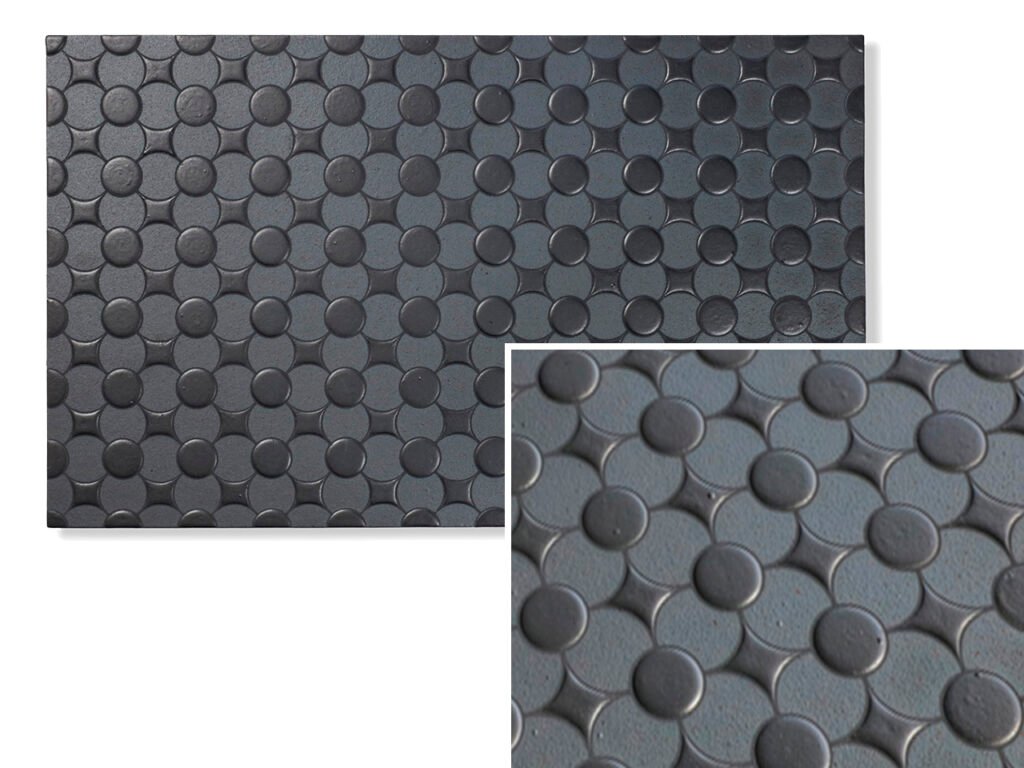
Karacho tiles reproduce the patterns of karakami. The process behind these tiles is not a mere transfer; the designs are carefully traced from the karakami paper to create printing plates, then hand-painted one by one using techniques such as silkscreen printing and damikomi, a technique in which pigments are absorbed into the clay body before glazing. With this method, the tile’s surface is raised, bringing out the texture of the pottery.
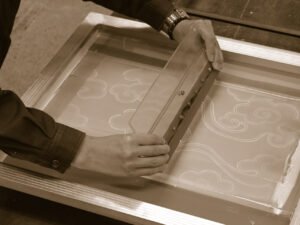
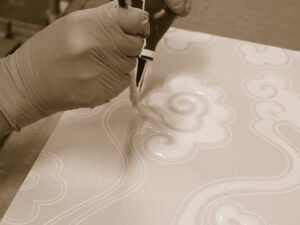
By incorporating mica—a mineral that enhances the distinctive texture of washi patterns—we further bring the unique feel of karakami paper to the tiles, capturing its authentic essence.
■ Patterns and Their Meanings
Patterns carry symbolic strength, expressing hopes for protection, well-being, prosperity, and happiness. Across history and cultures, they have conveyed shared human wishes for a safer and more fulfilling life.
 |
 |
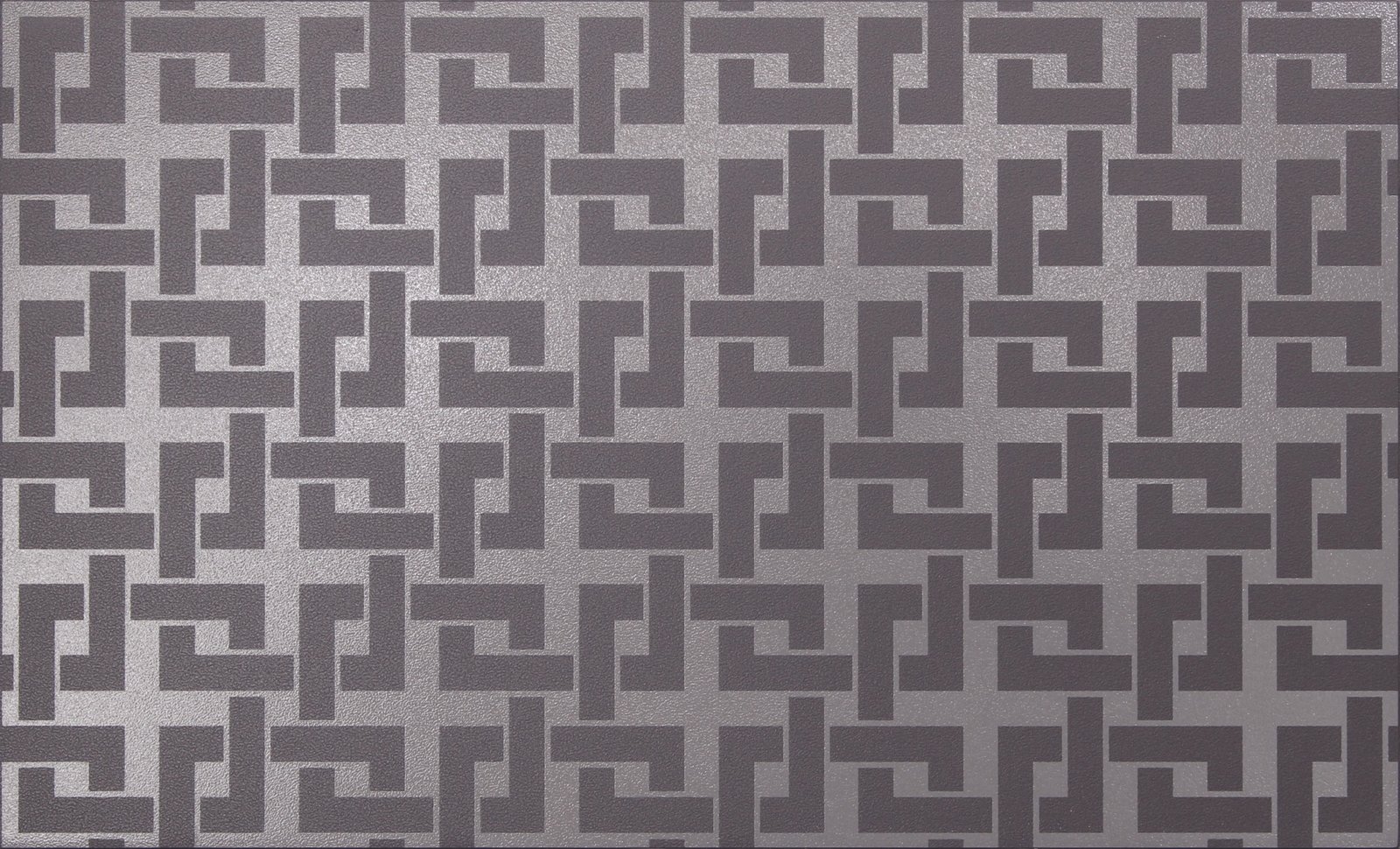
| Kaku Tsunagi (Interlocking Squares) Formed by a rhythmic sequence of connected ascending and descending lines, this design evokes the cycle of life and death. Its sense of continuity also suggests renewal, change, and prosperity. |
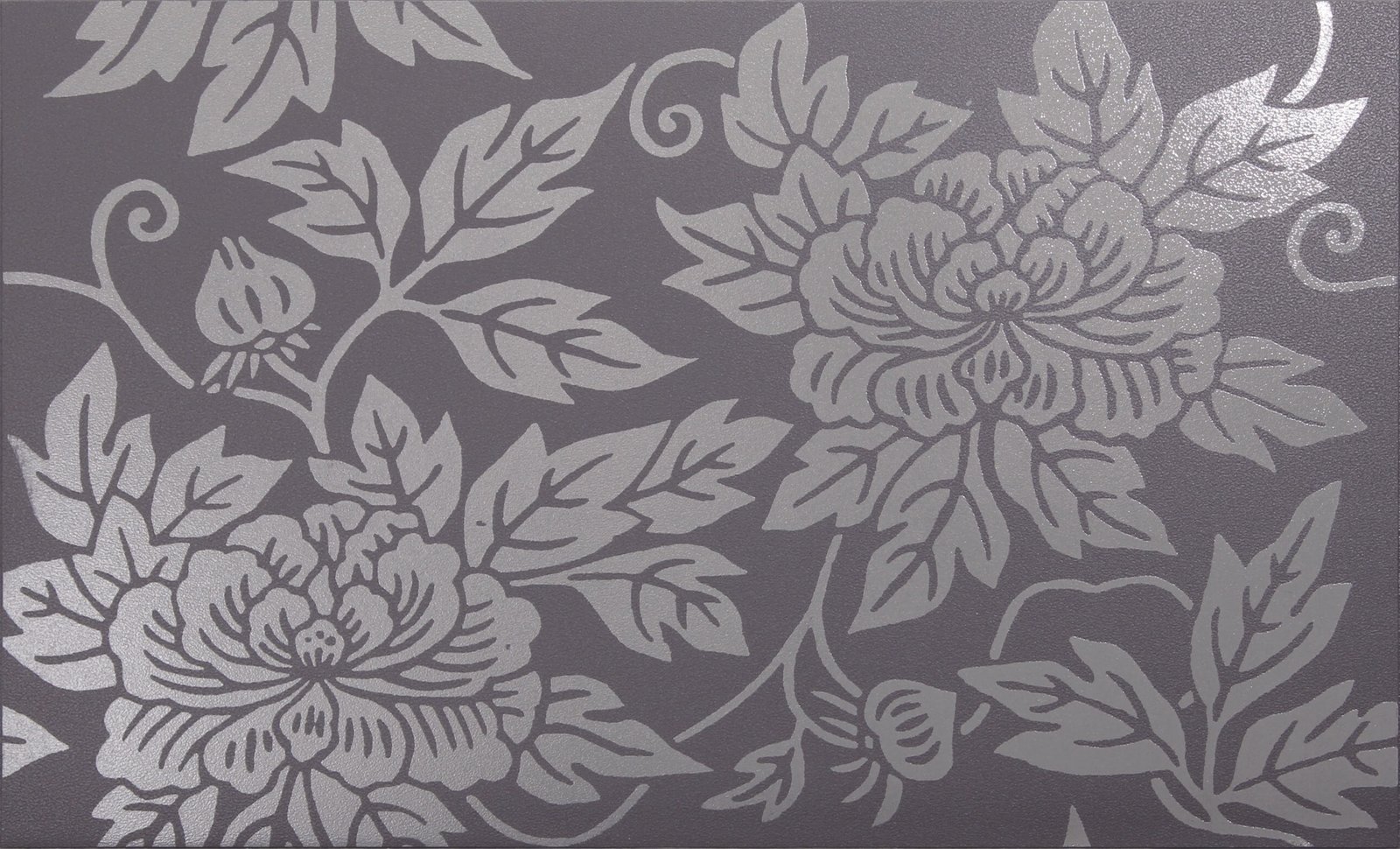
Obotan (Grand Peony) Known as the “king of flowers,” the peony is especially magnificent and ornate in this particular motif. A symbol of happiness and prosperity. |
 |
 |
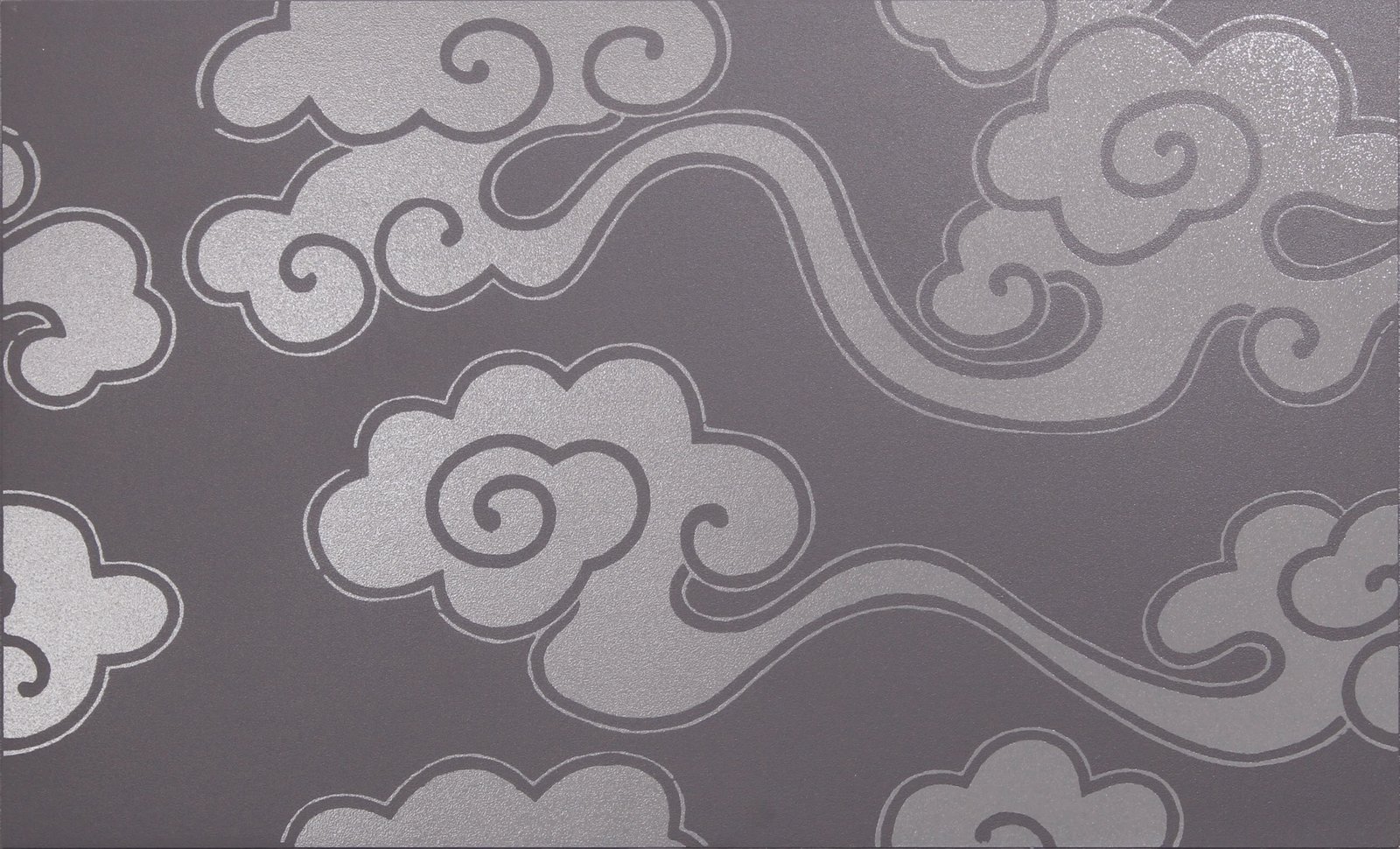
| Tenpyo Ogumo (The Great Clouds of Tenpyo) Tenpyo Ogumo is a decorative pattern inspired by ancient Japanese aesthetics, characterized by a flowing arrangement of interconnected cloud forms. In Japanese culture, clouds are traditionally linked to rain, growth, and abundance, which is why this motif has long been seen as a symbol of good fortune. |
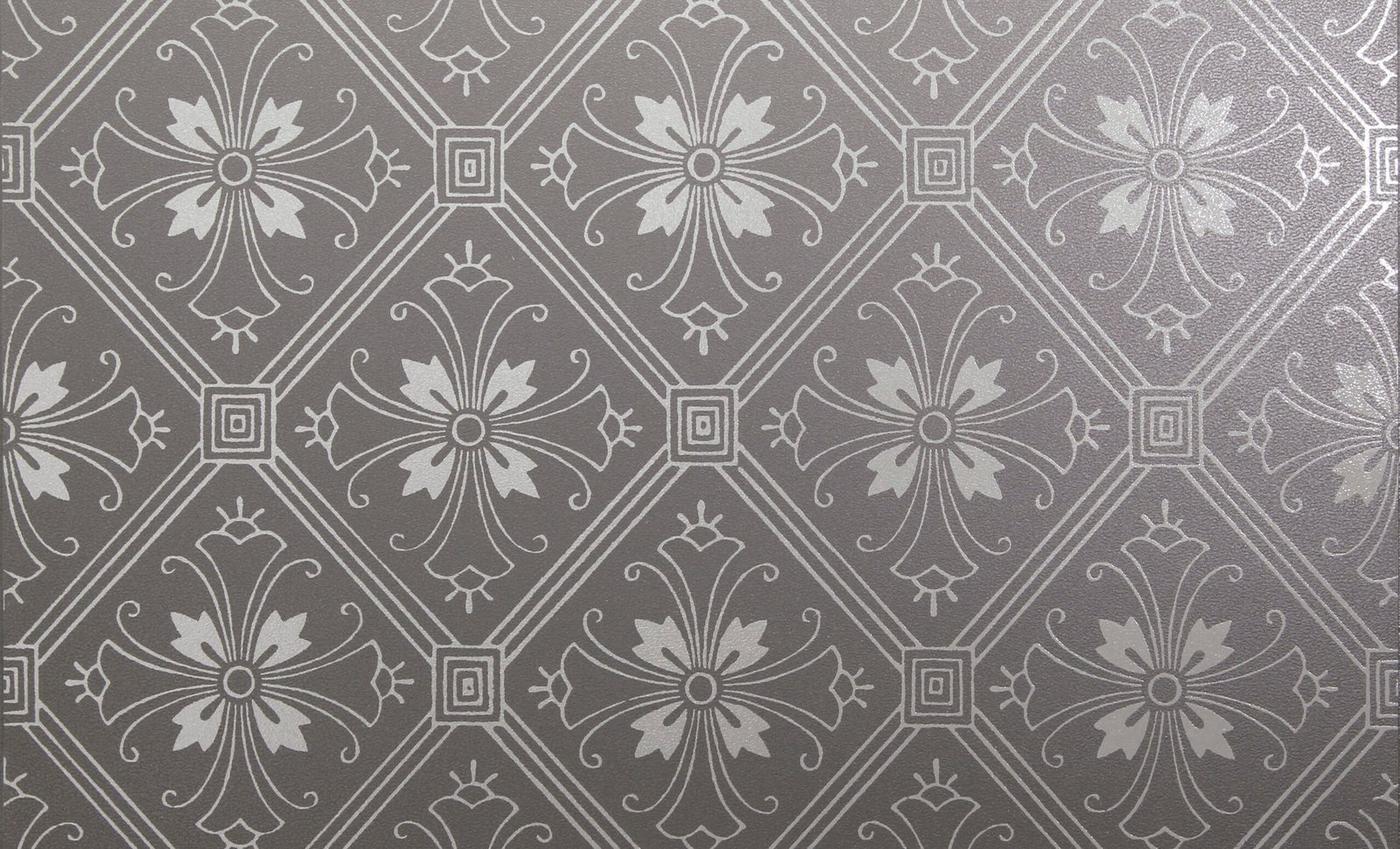
Tenjo Goshi (Diamond Floral Grid Pattern) Patterns in which flowers are framed within geometric shapes are traditionally referred to as kakubana. The diamond form has long been associated with growth and prosperity, while the overall grid-like arrangement conveys a sense of stability and harmony. |
 |
|
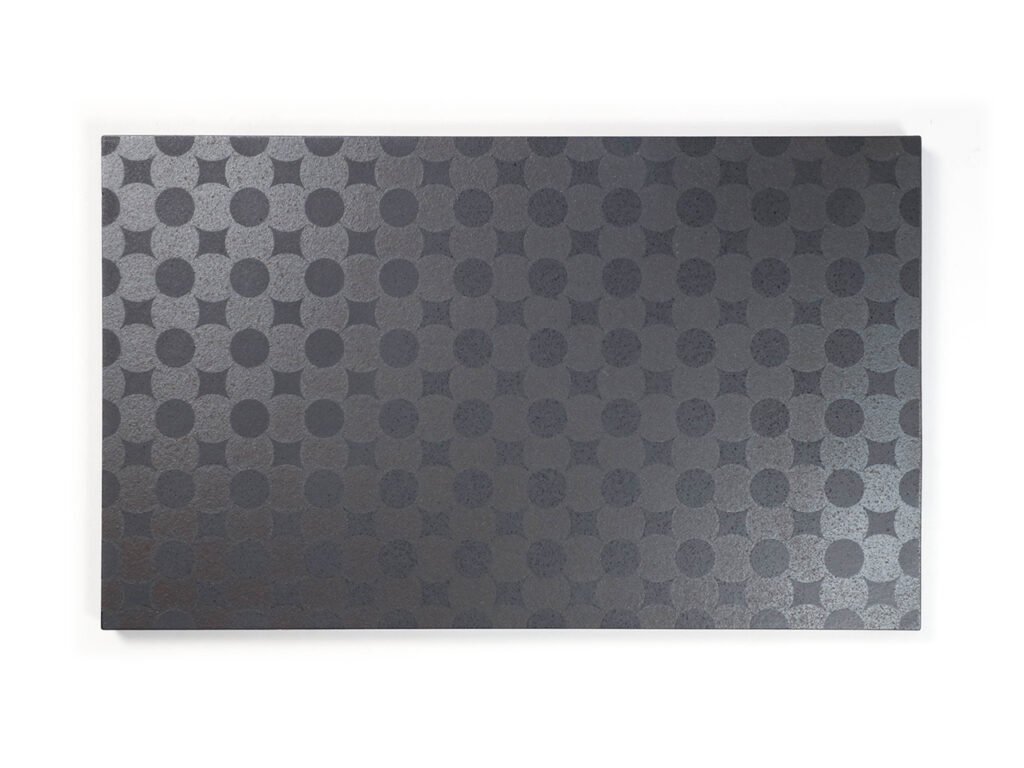
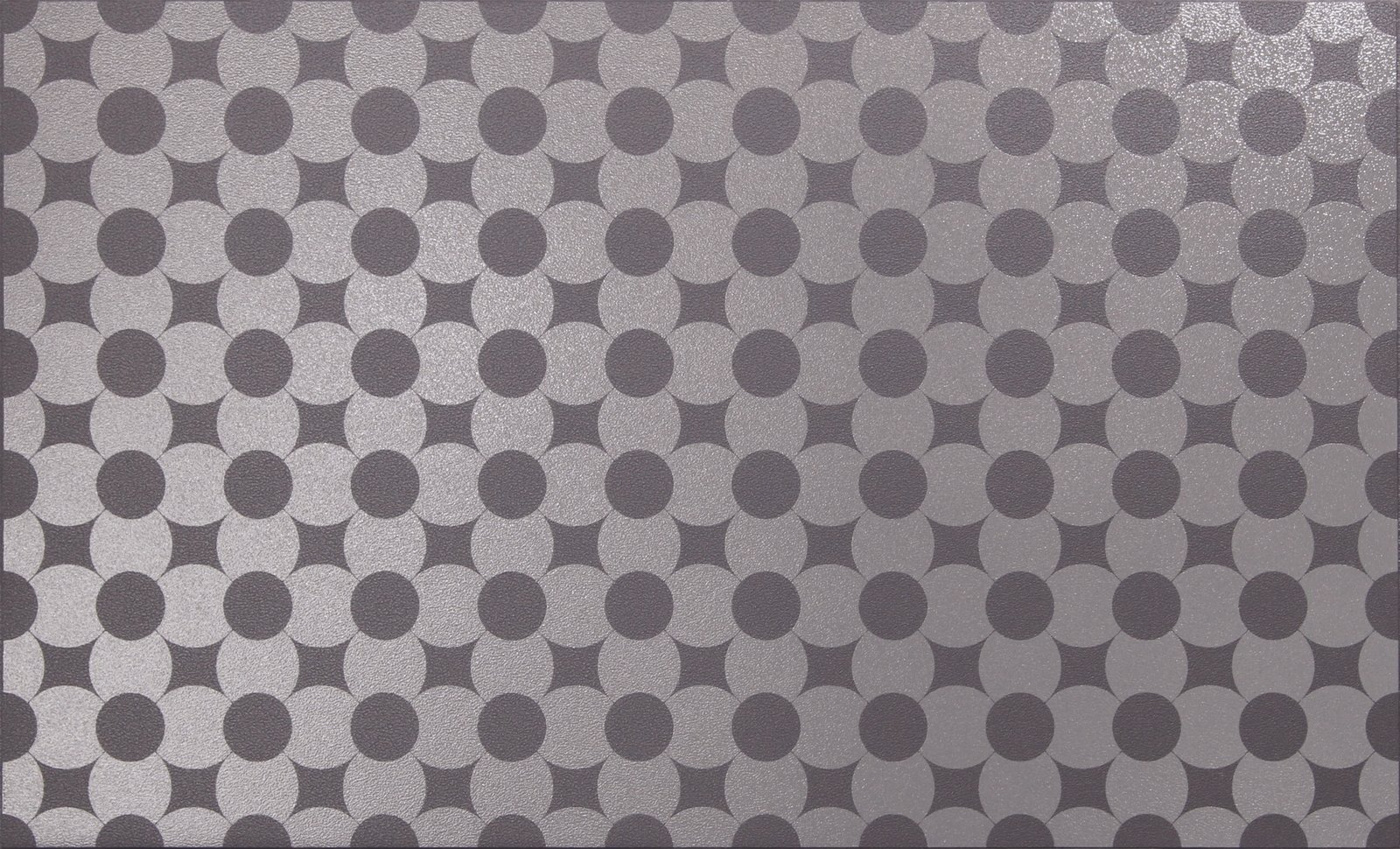
| Namban Shippo (Exotic Interlinked Circle Pattern) This pattern is composed of an uninterrupted sequence of interconnected forms that extend horizontally and vertically, creating a sense of continuous connection. The repeating forms can be perceived as circles, stars, flowers, or crosses, symbolizing bonds, growth, and balance. The pattern expresses a wish for happiness and good fortune to spread in every direction. |
■ Summary
Rooted in tradition yet made for contemporary spaces, Karacho tiles invite you to experience Japanese living craftsmanship in a new form.
Discover the collection and bring these unique tiles into your space.