Born from an Unconventional Material. Akatsuki
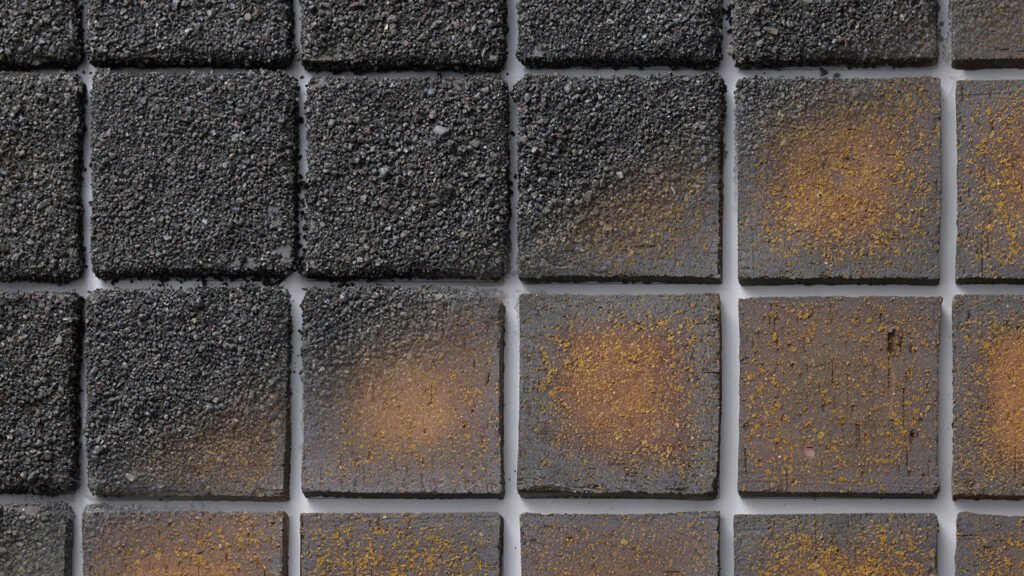
Among the products presented by WA-KEI at Architect’26, the international architecture and design exhibition recently held in Thailand, Akatsuki was one of the collections that attracted the greatest interest among visitors. The combination of richly textured surfaces, organic colors, and a unique manufacturing process captured the attention of a wide audience.
What is it, then, that makes Akatsuki stand out? In this article, we explore the key characteristics that define the collection and give it its unique appeal.
Table of Contents
A Texture with Character
The surface of Akatsuki carries a layered material expression, where roughness, relief, and subtle variations come together to form a strong tactile presence. Rather than a uniform finish, it feels almost as if the surface has been shaped from within, evoking a natural, almost primal sensation. This distinctive appearance is not the result of a surface treatment, but rather a direct consequence of the unconventional materials used in its production.
Produced using 100% recycled raw materials, Akatsuki contains approximately 40% molten slag, a black, glass-like material commonly used as an aggregate in infrastructure projects. The presence of this material can be seen in the form of small natural irregularities and subtle relief, which add depth to every tile. This inherent texture also provides excellent slip resistance, making it particularly well suited for flooring applications.
-
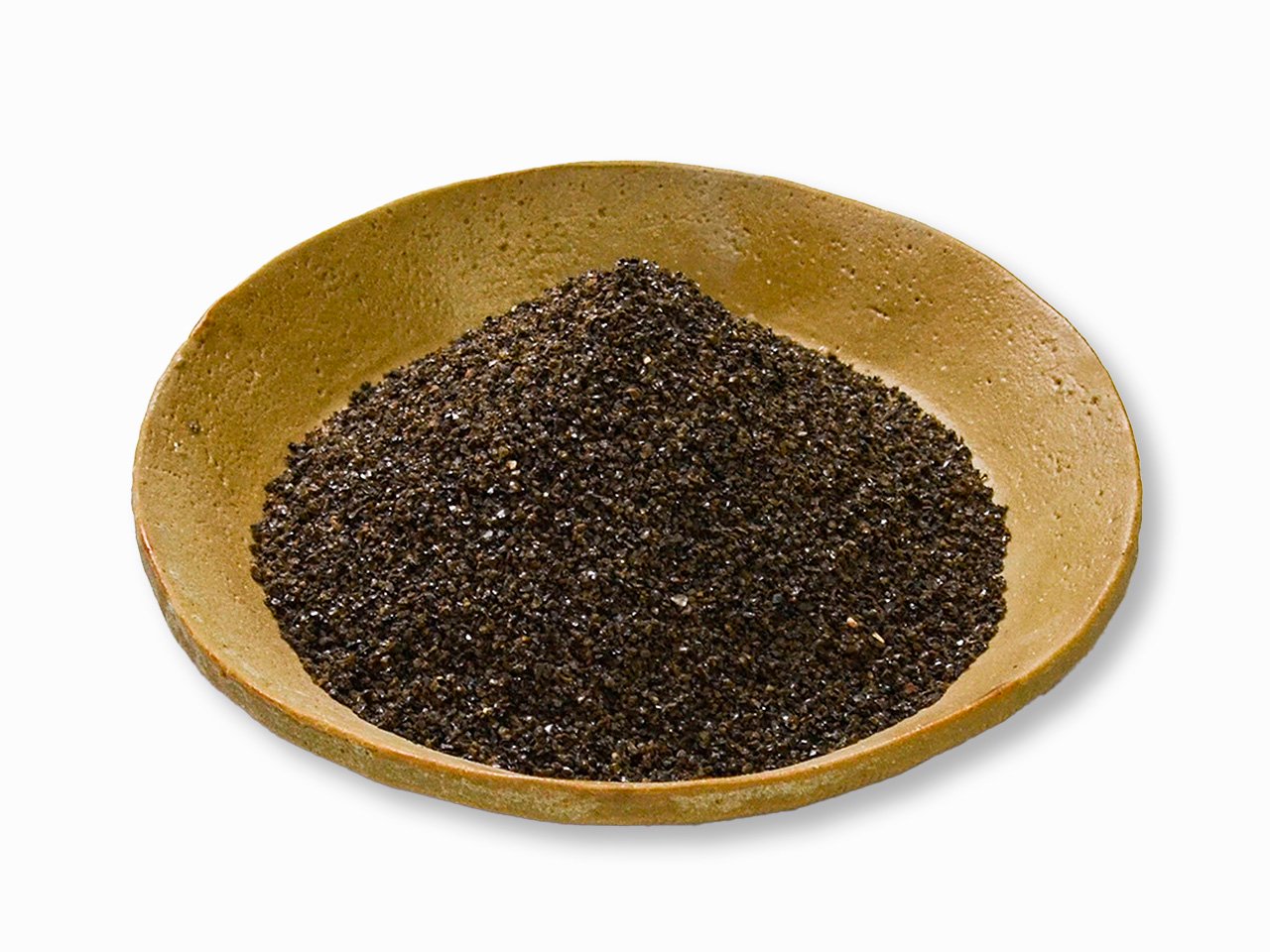
Molten slag
-
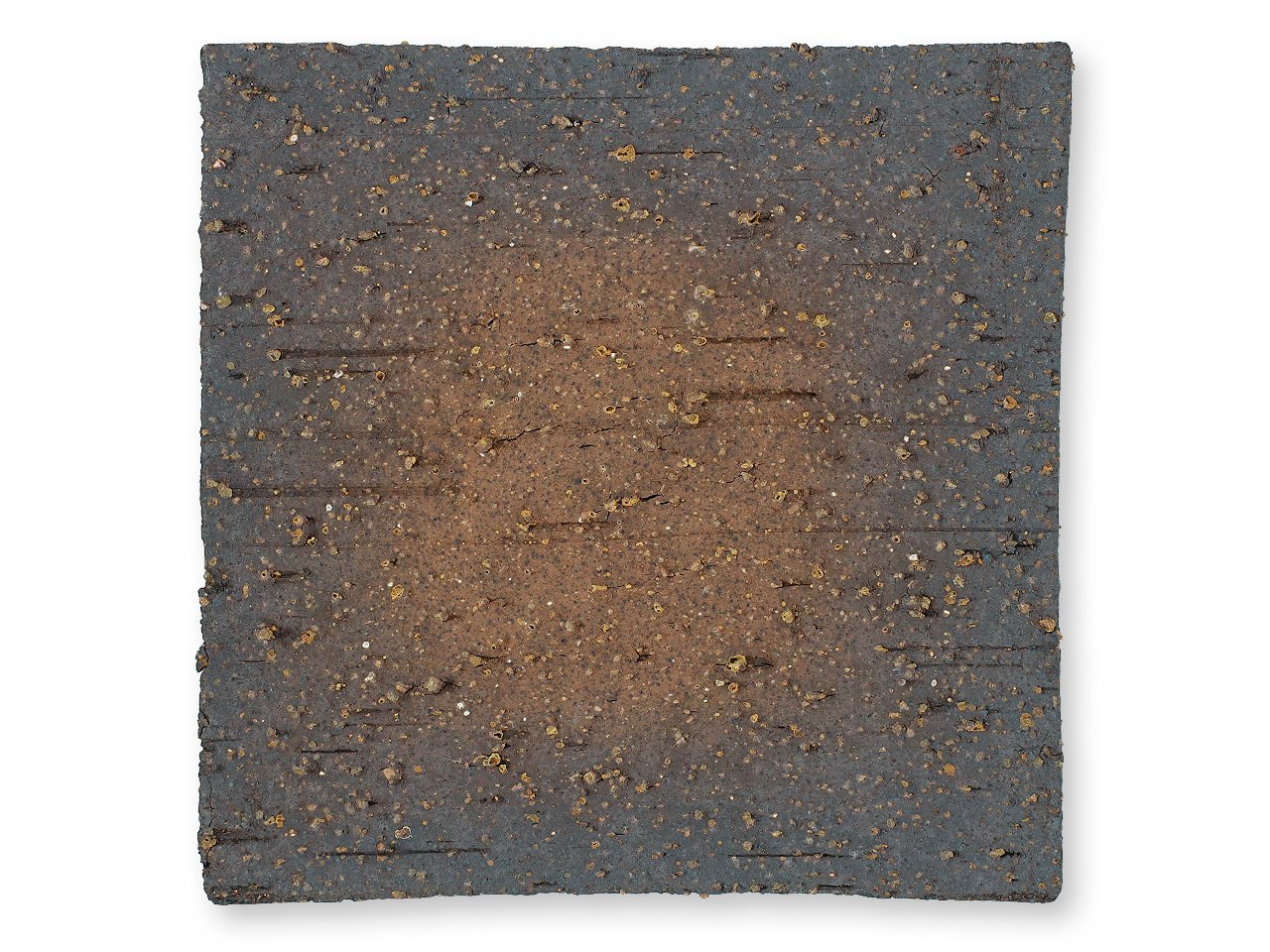
Surface detail. AKA-1
The technology used to incorporate molten slag into ceramic tile production has been one of our company’s key areas of research for many years. Unlike conventional ceramic raw materials, recycled materials can vary considerably in their properties, making the creation of a stable and reliable product a complex technical challenge. Overcoming this challenge requires a combination of research, material expertise, and precise process control, allowing an alternative raw material to be transformed into a product with the performance required for the most demanding architectural projects.
Richly Nuanced Colors
Beyond its distinctive texture, Akatsuki is also defined by its rich and nuanced color palette. The collection is available in two carefully developed color options. AKA-1 offers a mineral, earthy expression inspired by stone and natural materials. AKA-2 features a warmer palette reminiscent of fired clay, bringing a brighter and more welcoming character. In both cases, color reveals a rich range of subtle variations that add depth and individuality to every tile.
This richness of color is the result of reduction firing, a traditional Japanese technique that encourages the development of deep tones that cannot be artificially replicated. As the minerals within the tile respond to the firing process, they create subtle variations and tonal depth that give each surface its own distinctive appearance.
-
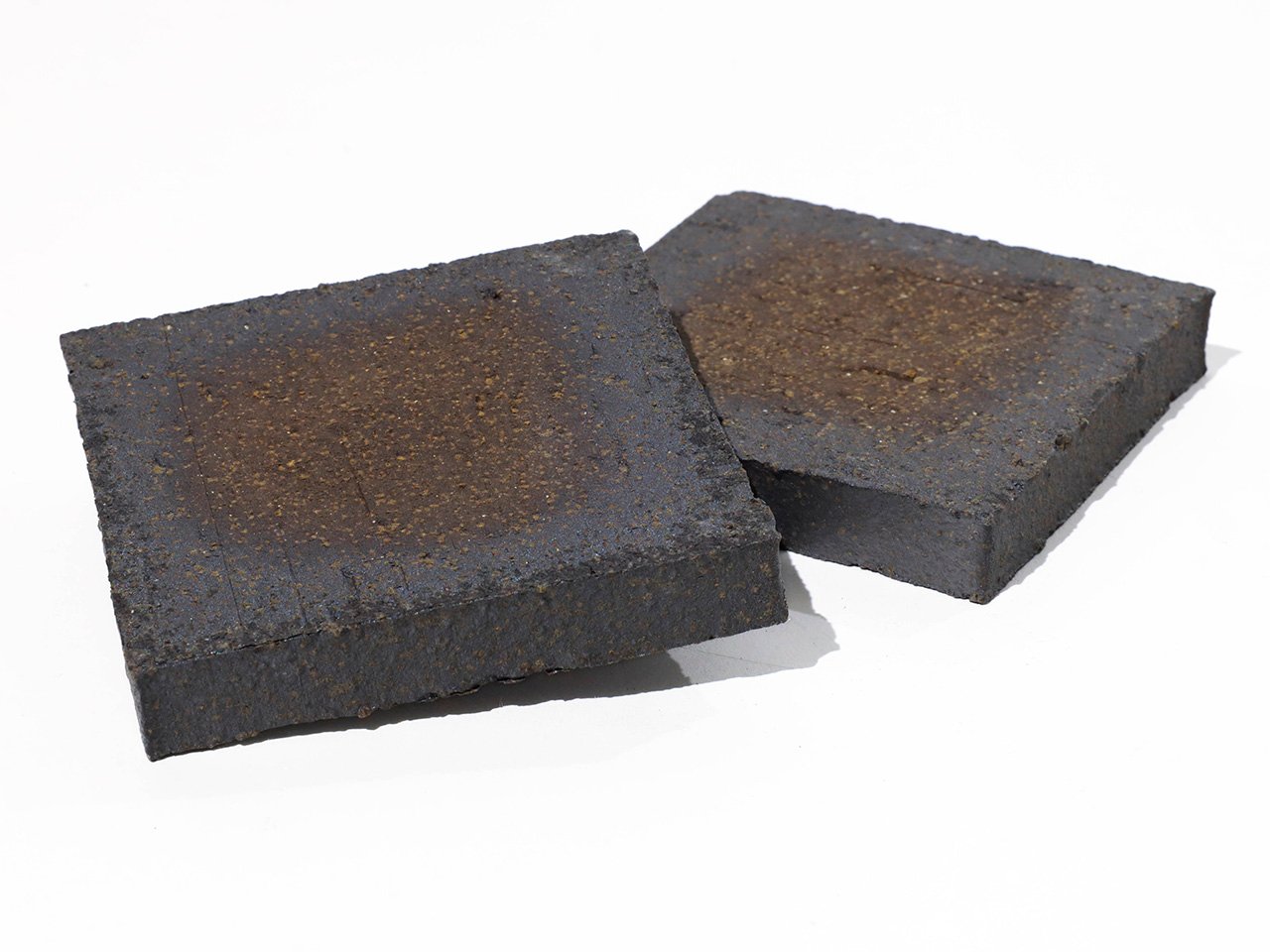
AKA-1
-
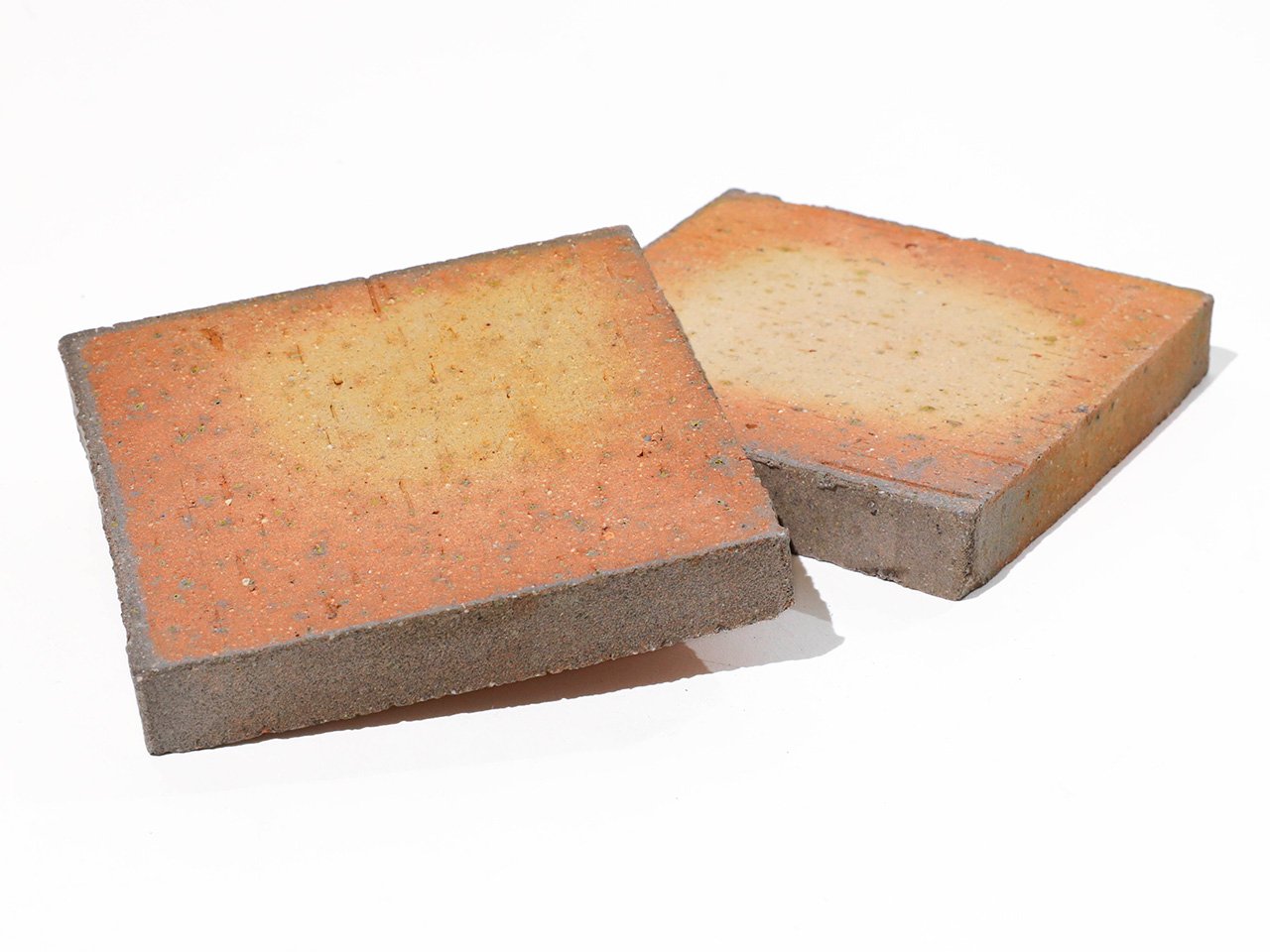
AKA-2
Chosen by Professionals with a Refined Eye
The qualities of Akatsuki have captured the attention of architects, interior designers, and landscape architects seeking materials with a strong identity for their projects. Its expressive texture, timeless character, and ability to age gracefully have made it a valued choice, especially in residential projects.
This richness of color is the result of reduction firing, a traditional Japanese technique that encourages the development of deep tones that cannot be artificially replicated. As the minerals within the tile respond to the firing process, they create subtle variations and tonal depth that give each surface its own distinctive appearance.
-
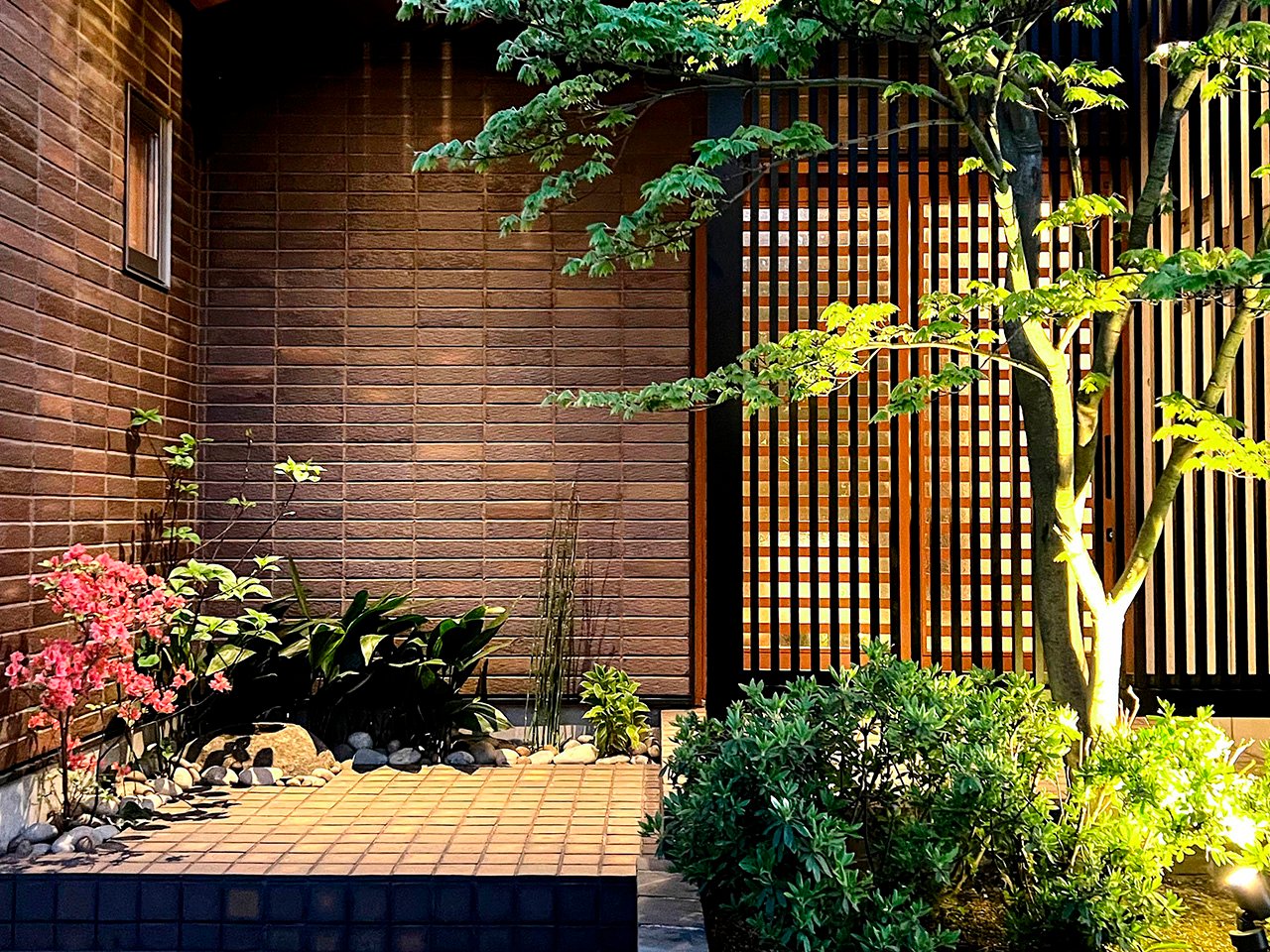
Residential entrance view. Client: Garden House Assiette
-
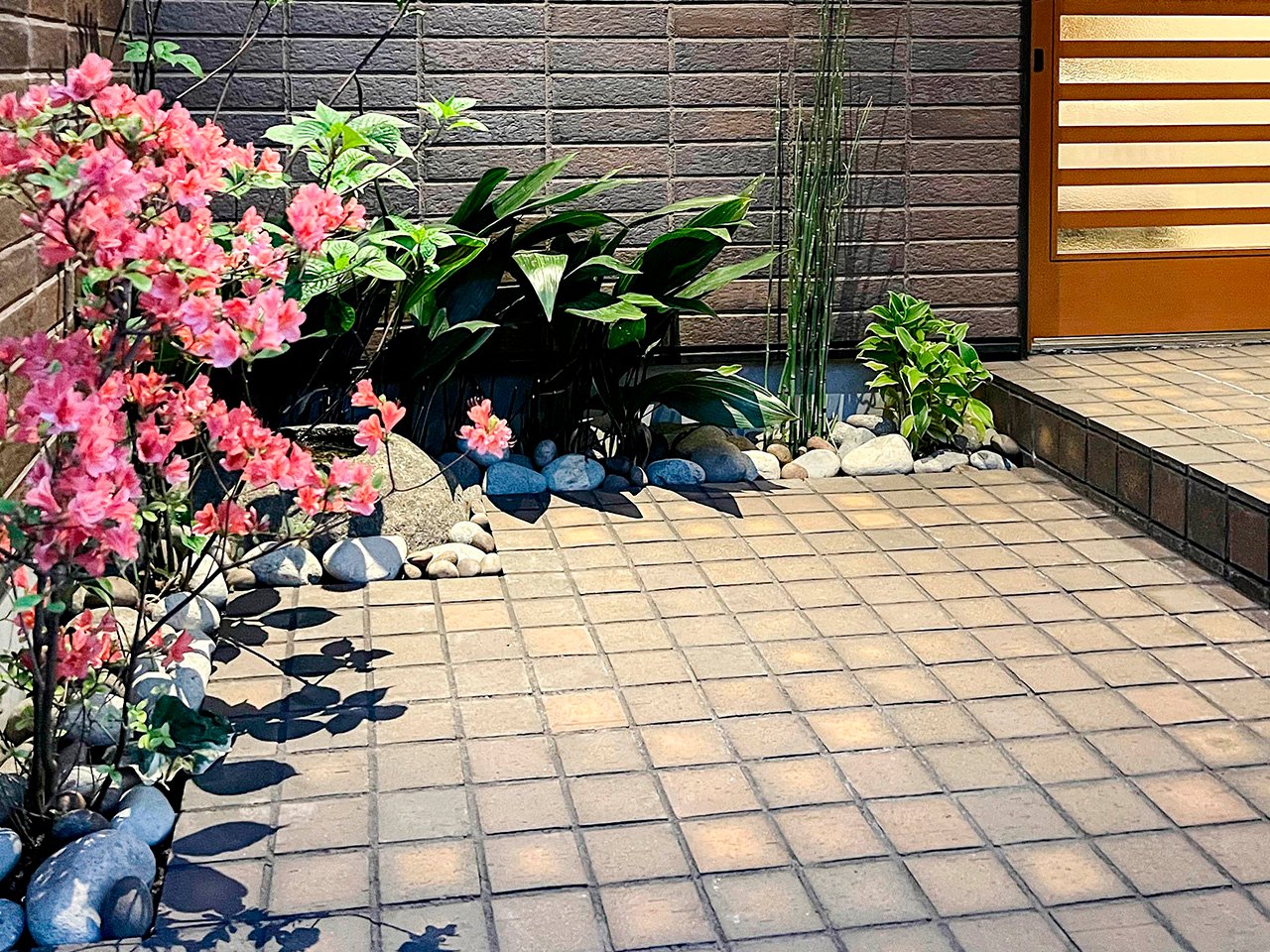
Detail of the entrance flooring. AKA-1
Summary
With its unmistakable aesthetic and unconventional manufacturing process, Akatsuki is a clear example of how material innovation can result in surfaces that go beyond simple character and personality.
For further information on Akatsuki applications feel free to get in touch with us.
Note: This article has been reviewed using ChatGPT.
