Sustainable Tiles. Turning Clay Shortage into Innovation
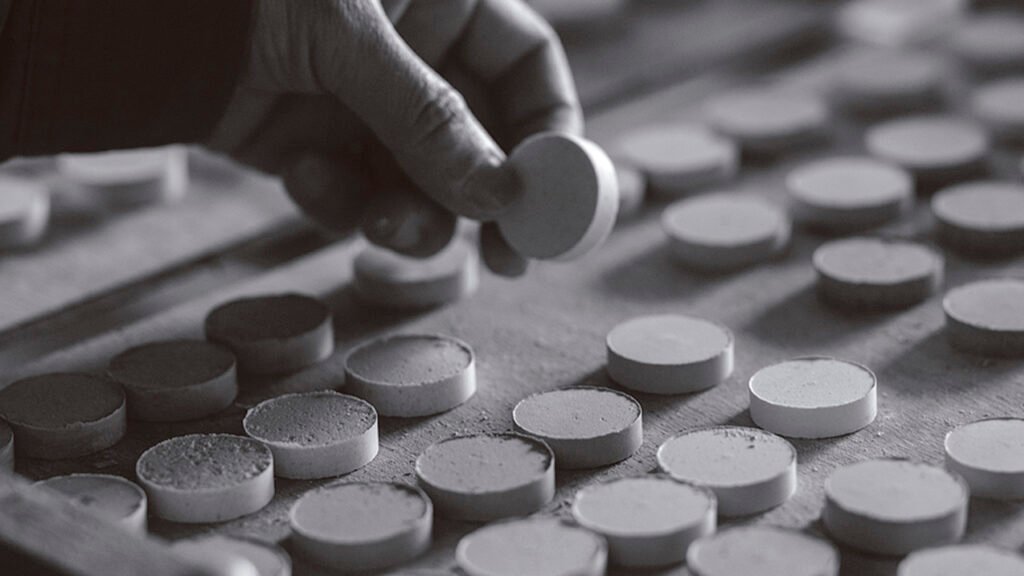
What happens when an industry with centuries of tradition begins to run out of raw materials?
In Tajimi, one of Japan’s major ceramic centers, this reality has driven the development of a new generation of sustainable tiles capable of transforming alternative resources into high-quality materials.
In this article, we explore how WA-KEI has turned an environmental challenge into an opportunity to reinvent the future of tiles.
Shortage of Raw Materials in the Tile Industry
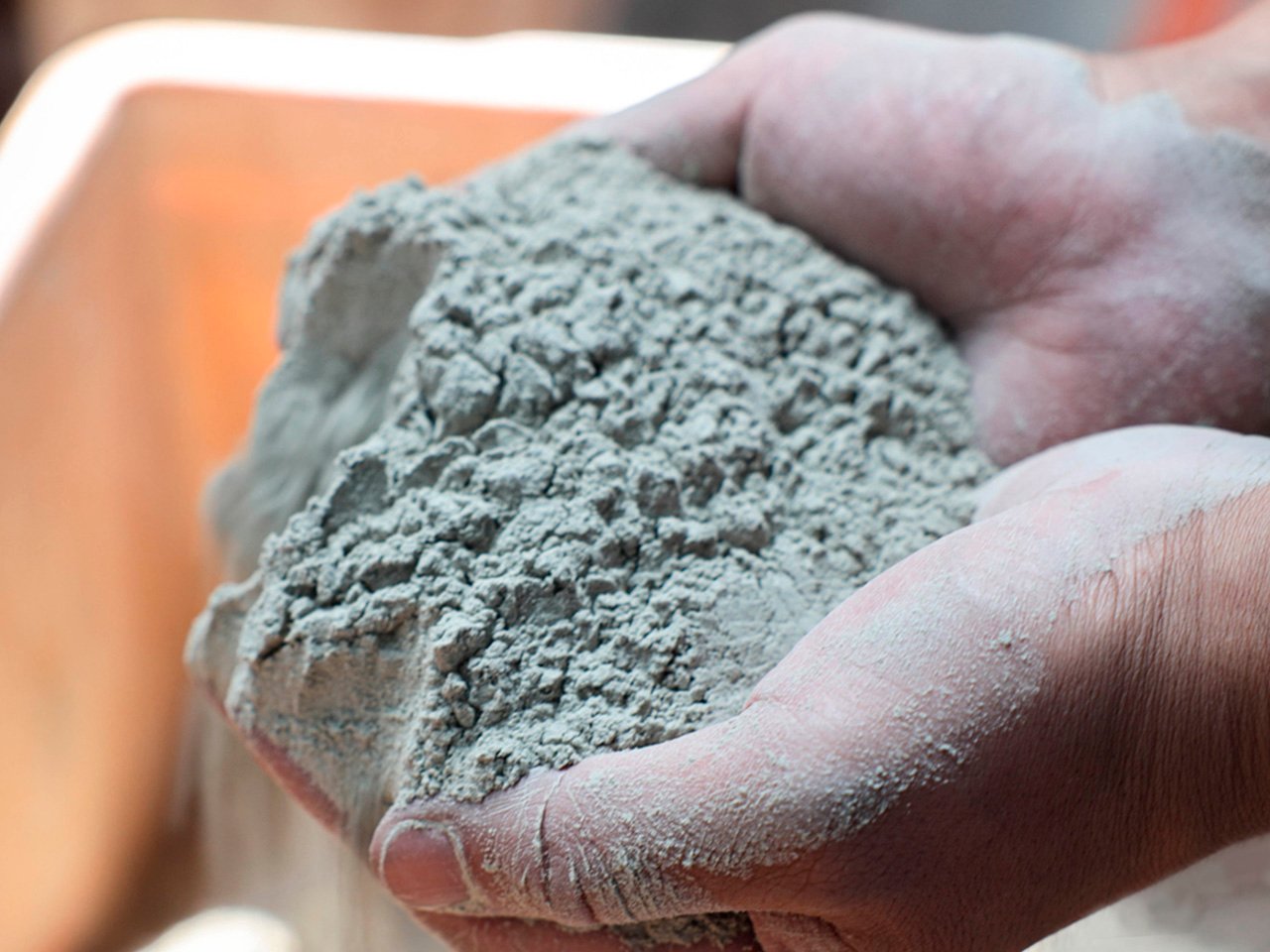
The Tajimi area, where WA-KEI is headquartered, has been recognized for centuries as a region traditionally dedicated to ceramic production. The development of this industry has been made possible by the area’s natural resources, known for their high-quality clay-rich soils.
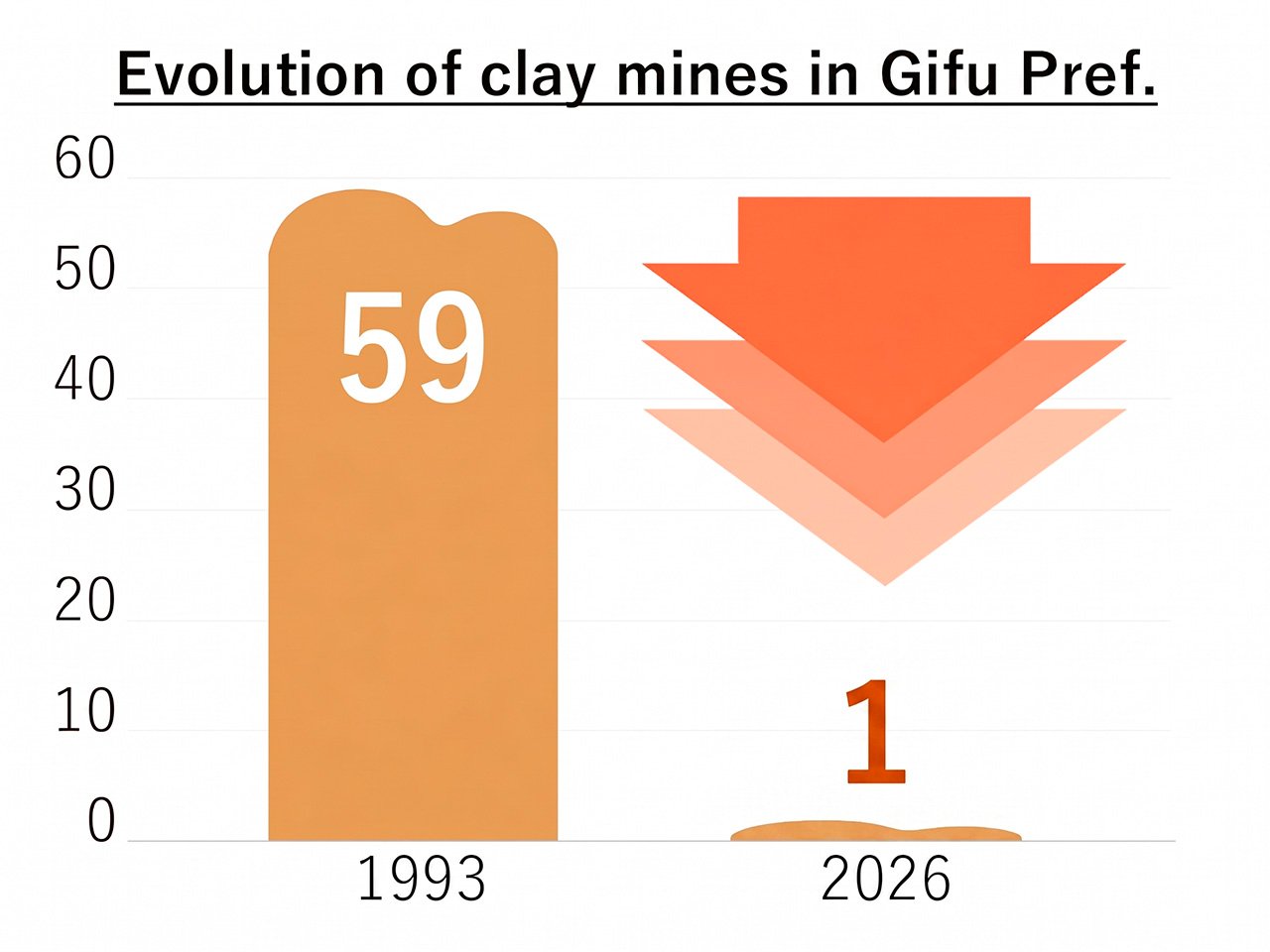
However, as profitability in resource extraction has steadily declined, clay mines have gradually disappeared. In Tajimi alone, the number of extraction sites dropped from 59 in 1993 to only 1 in 2026, highlighting the increasing value of clay as a resource.
Research and Development of Sustainable Tiles
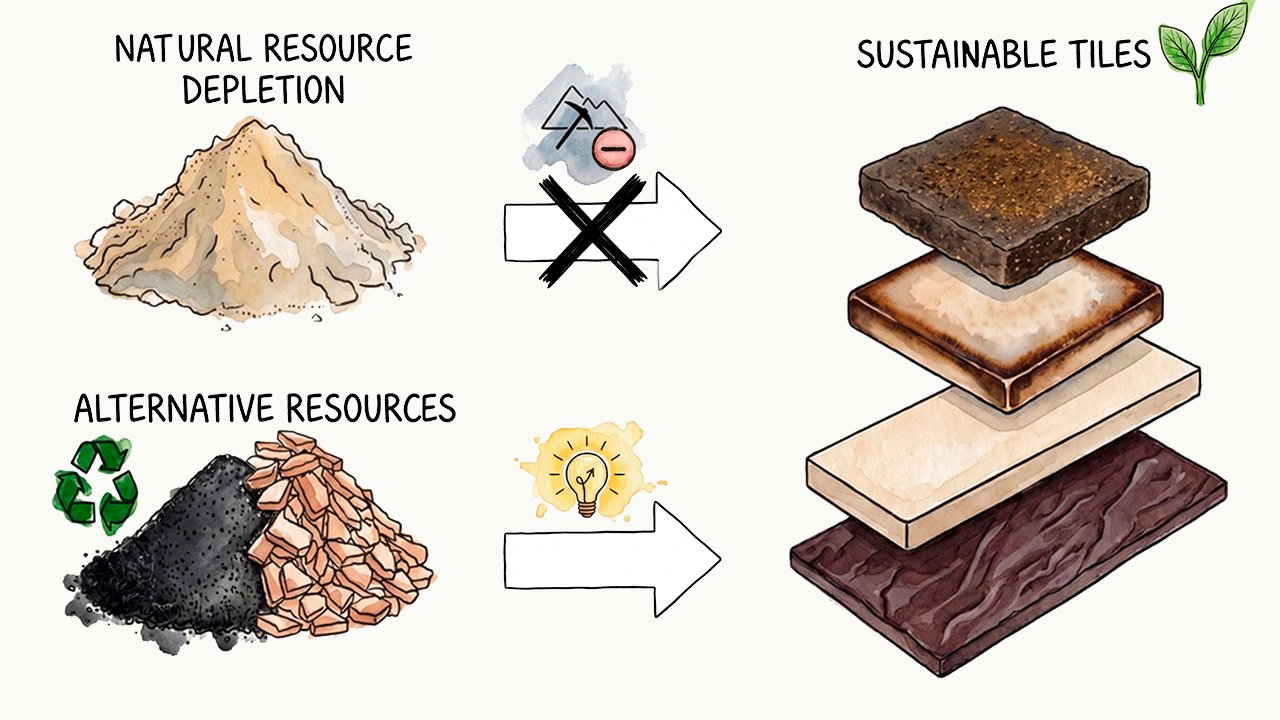
Aware of growing resource scarcity, X-iS Corp., the company behind the WA-KEI brand, established ecorevo, an R&D division dedicated to developing tiles that reduce dependence on natural resources through alternative materials.
We began exploring materials such as molten slag, crushed glass, and discarded ceramics as replacements for traditional ceramic resources. After years of development and testing, we successfully created tile collections that, despite using recycled content, deliver quality comparable to conventional products.
So far, we have developed four collections: Akatsuki, Toya, Moltenova, and Capa.
Some products have achieved recycling rates exceeding 95%. In addition, because these tiles can be fired at lower temperatures and in shorter cycles, CO₂ emissions during manufacturing can also be reduced, further improving environmental performance.
WA-KEI continues to work on new materials and production methods in order to bring new sustainable collections to the market in the future.
Akatsuki. The Long-Awaited Dawn
This tile is made using 40% molten slag sourced from the city of Toyota, home to Toyota Motor Corporation, together with recycled materials. The distinctive hazy texture of slag, combined with deep tonal variations achieved through reduction firing, creates a tile with a primitive appearance and strong expressive character.
The name “Akatsuki” expresses the idea of something long awaited finally becoming reality. After years of development, this recycled tile entered production with the hope of representing a new dawn for the ceramic industry.
-
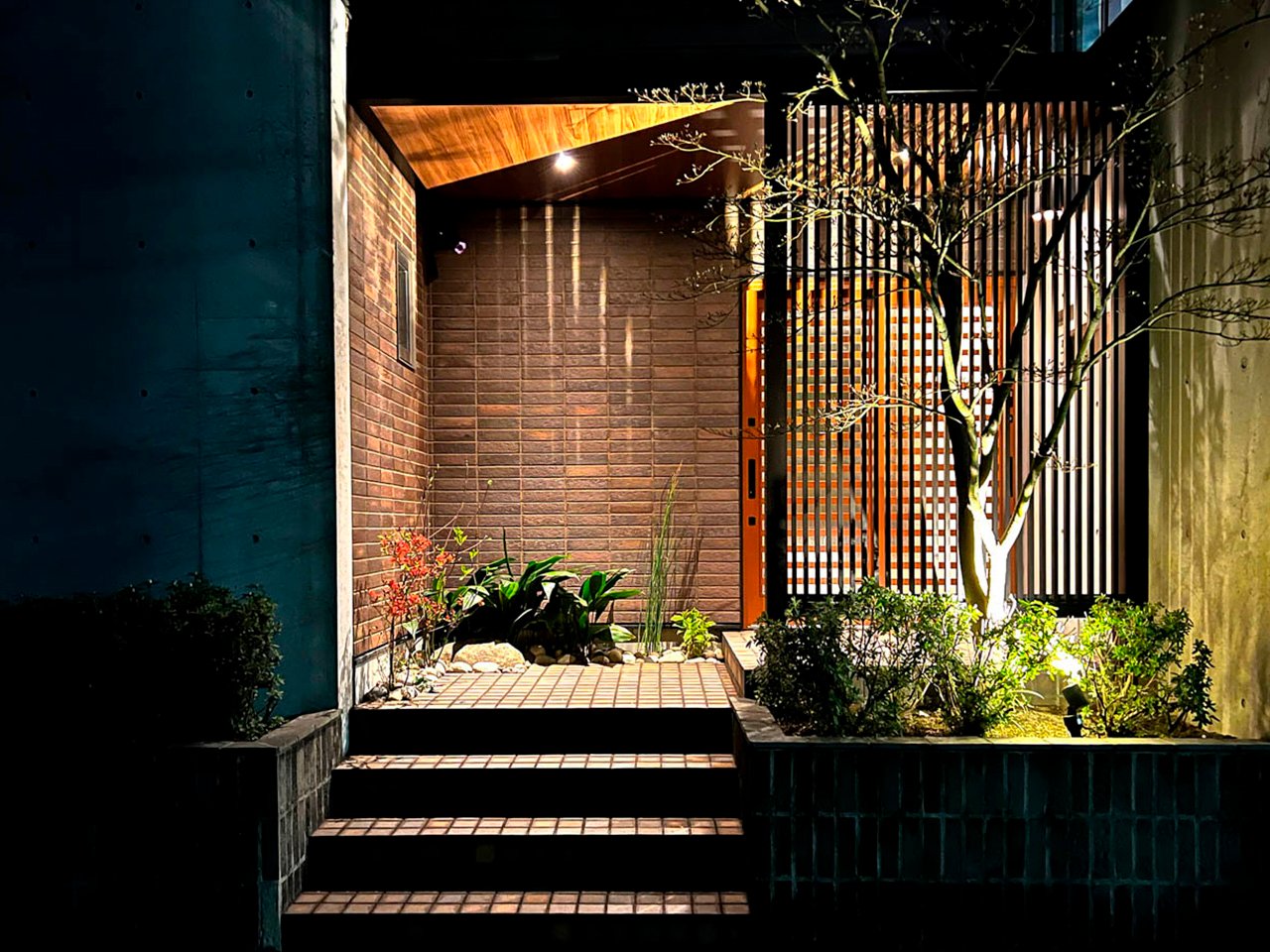
Client and Design: Garden House Assiette
-
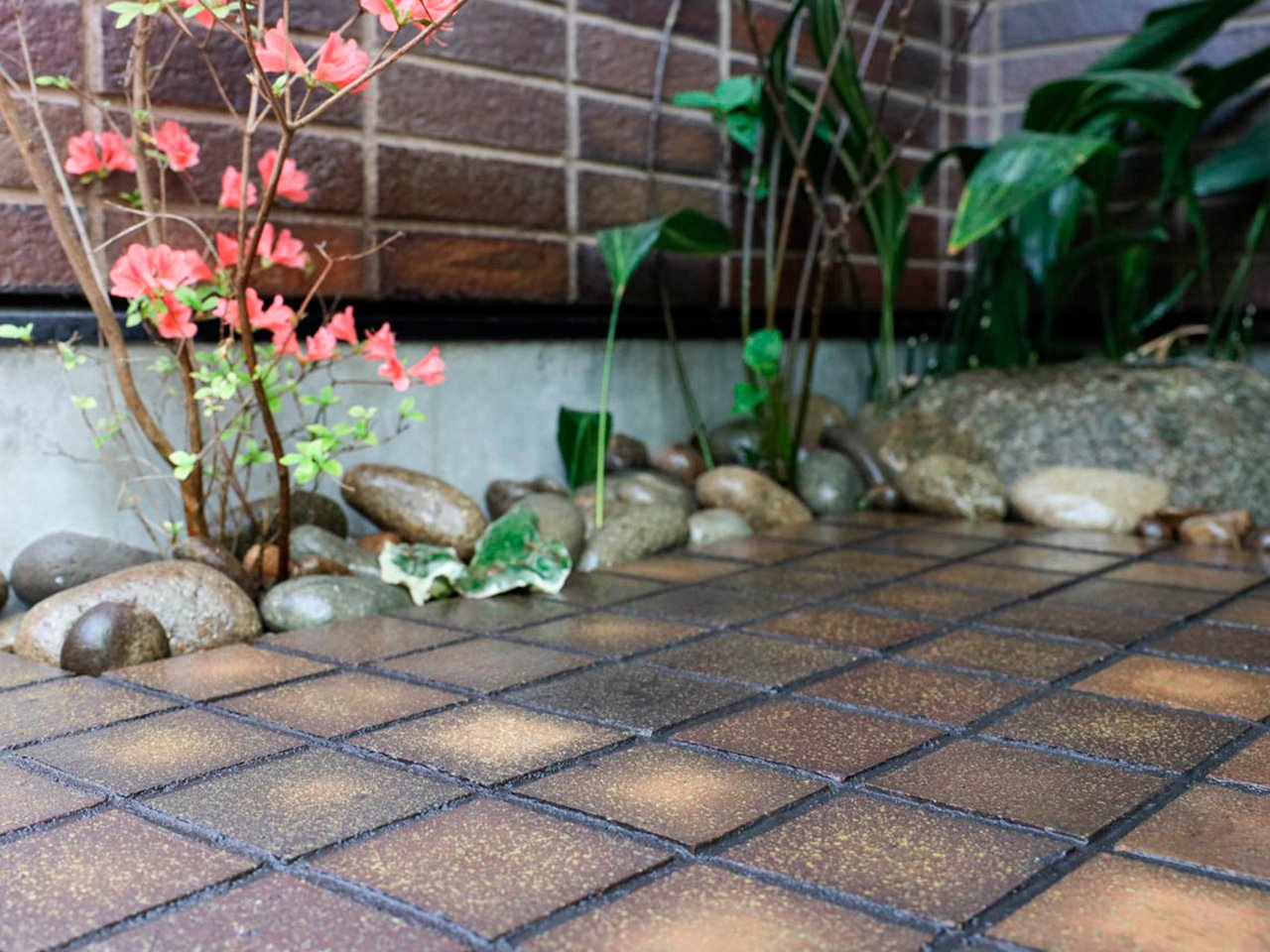
Akatsuki harmonizing beautifully with natural elements
Toya. Organic Expression in Recycled Clay
By incorporating molten slag into recycled ceramics, WA-KEI developed a truly recycled tile composed of more than 80% reused content. Toya’s rich tonal variations, achieved through reduction firing, evoke earthy hues and create a naturally organic appearance.
As an unglazed tile, Toya expresses the natural character of its materials without relying on pigments. Its colors emerge entirely from the balance between molten slag and recycled resources.
Because it can also be fired at lower temperatures than conventional tiles, Toya contributes to reducing CO₂ emissions during manufacturing (estimated reduction: 17–33%).
-
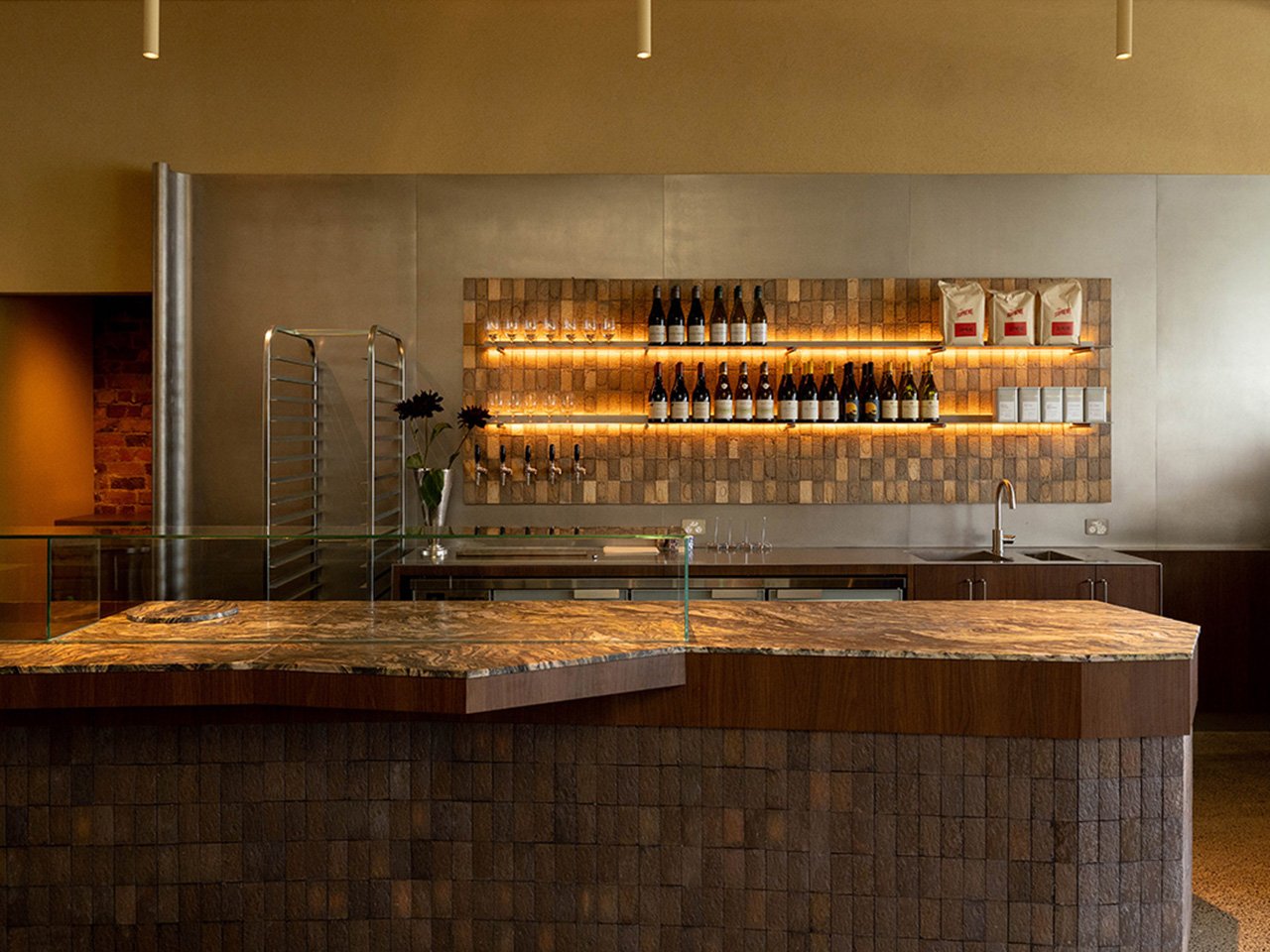
Design: CTRL Space.
Photos by: Jono Parker -
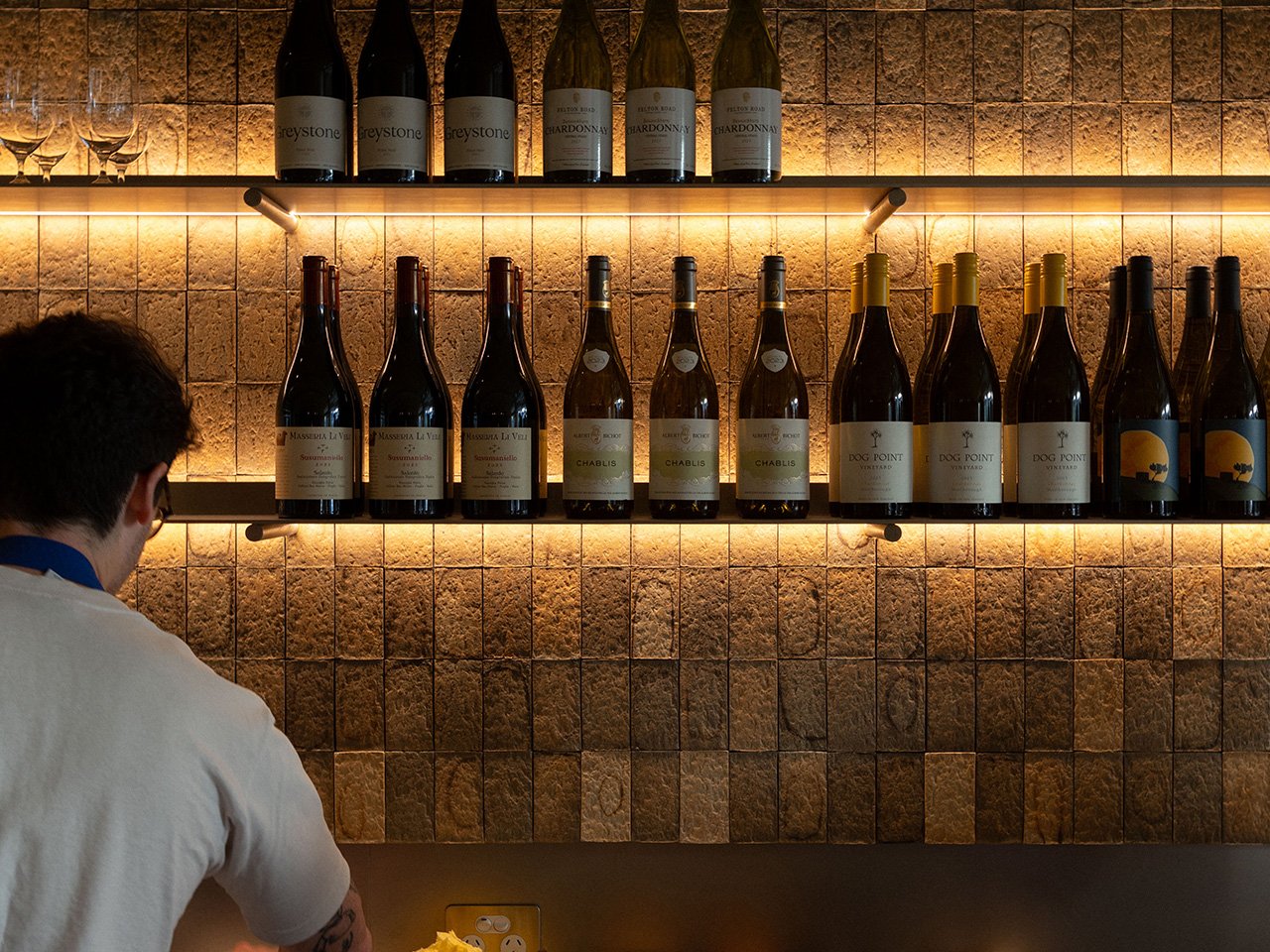
Toya’s organic tones creating an inviting atmosphere
Moltenova. Glazed Ceramics Reimagined
Moltenova is a glazed porcelain tile made from recycled materials, particularly suited to spaces such as bathrooms, restrooms, and kitchens. The tile incorporates molten slag at an average proportion of around 3%, with the exact amount varying depending on the color.
The collection also stands out for its wide range of colors and formats. The combination of multiple shapes and an extensive palette allows for flexible applications across a variety of architectural styles.
-
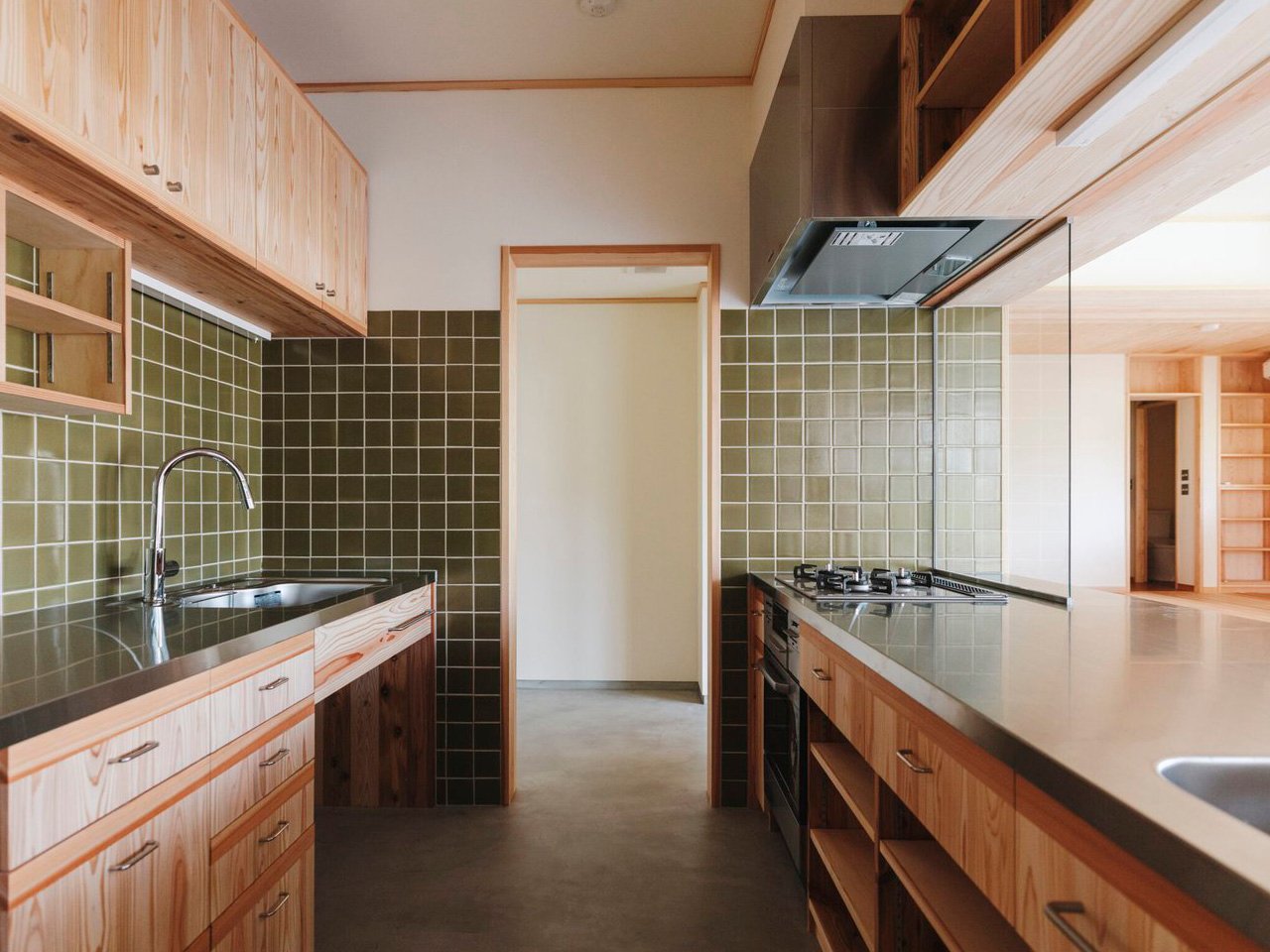
Design: Bioform Architectural Design Studio.
Photos by: Shuhei Tonami -
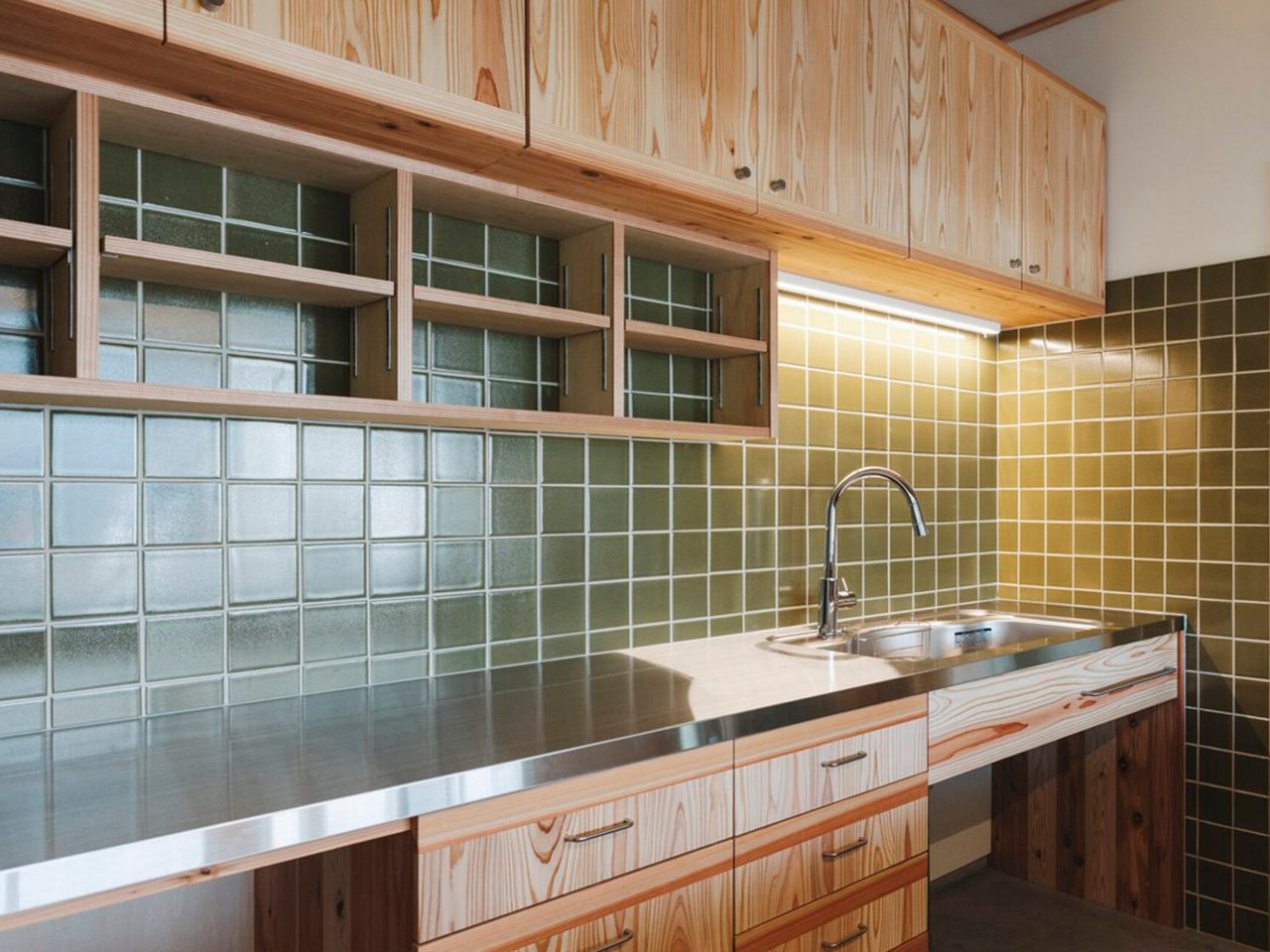
A personalized space brought to life by Moltenova
Capa. Designed to Blend In
With a recycling rate of 40%, Capa was developed to integrate seamlessly into contemporary spaces while maintaining the tactile qualities of unglazed ceramics. Thanks to a new manufacturing method, its natural texture has been preserved.
Suitable for both interior wall and floor applications, Capa is available in three formats and 21 colors. The product is made to order and is included in WA-KEI’s general catalog.
-
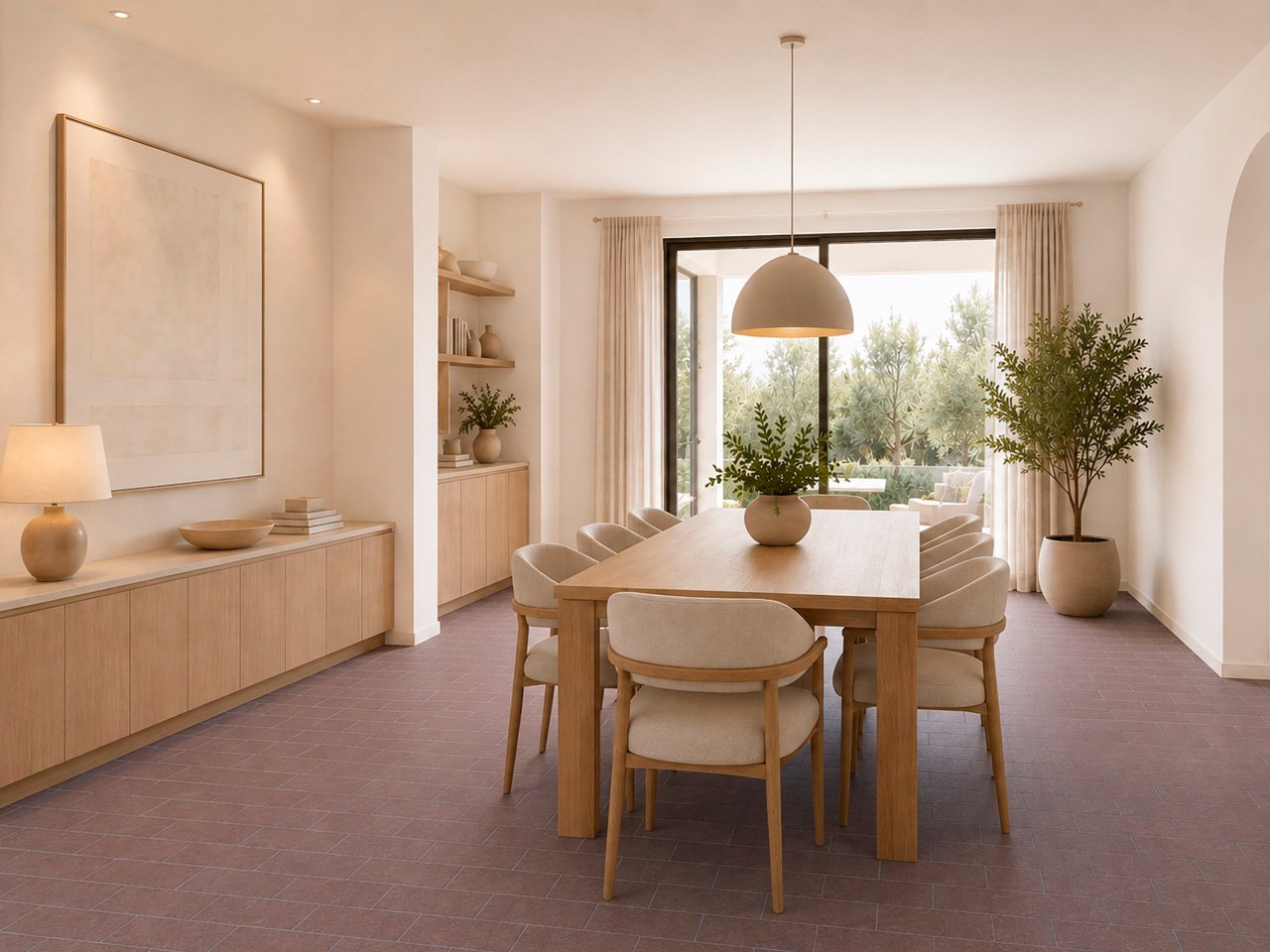
AI visualization featuring Capa.
-
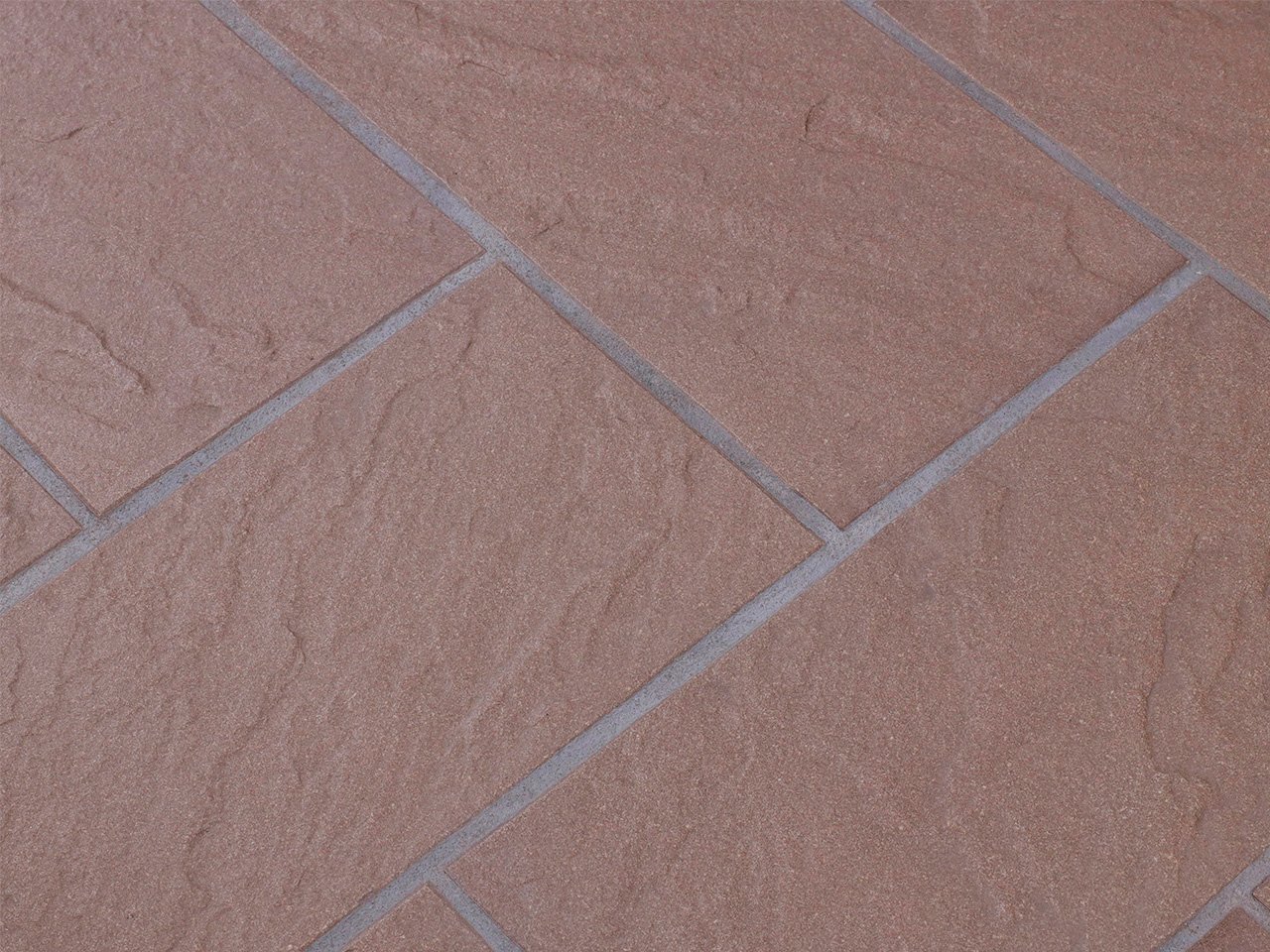
Capa. 294mm x 144mm format
Summary
WA-KEI’s recycled collections represent a new way of understanding ceramics: sustainable materials, reduced environmental impact, and designs created for contemporary architecture.
These collections demonstrate how innovation and sustainability can coexist without compromising quality or aesthetics. If you would like to learn more about these tiles and their application possibilities, we would be delighted to assist you.
Note: This article has been reviewed using ChatGPT.
