Tile Maintenance: What You Need to Know
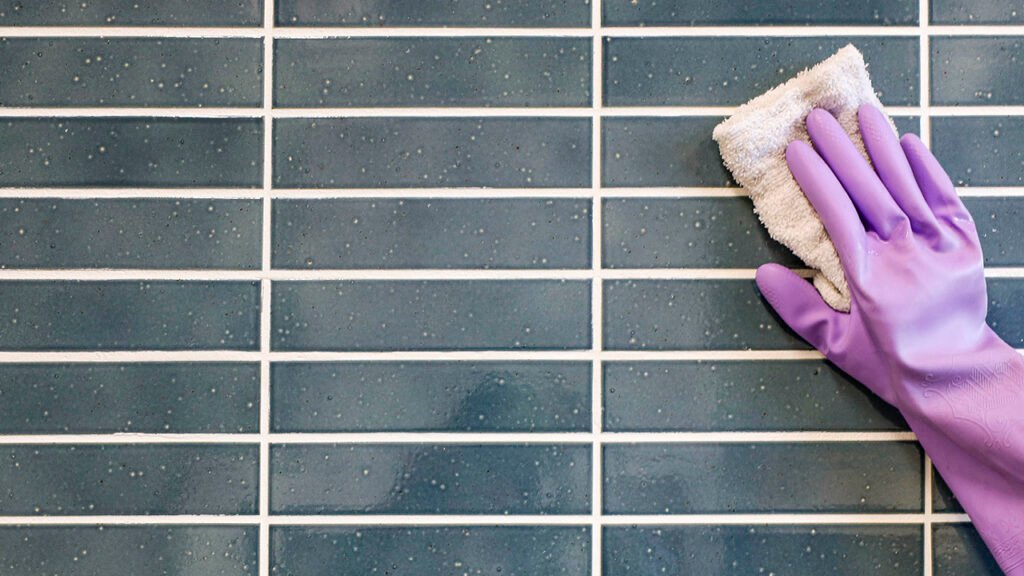
When choosing a material to cover a surface, we often consider factors such as appearance, durability, and initial cost. However, we rarely think about how that material will perform over time or how much maintenance it will require to stay in good condition.
In this article, we’ll look at the advantages and disadvantages of tiles, what to keep in mind for proper maintenance, the different types of issues that can occur, and how to address them.
Table of Contents
Tile Durability and Maintenance
Tiles offer a significant advantage over other surfacing materials: they are highly durable and undergo very little deterioration over time. However, like any other material, they still require some maintenance.
The bonding materials that secure them to the surface, such as mortar and adhesives, as well as the grout surrounding them, gradually deteriorate over time. If they are not properly maintained and issues are allowed to build up, they can become more difficult to clean and may eventually lead to more serious problems. The best way to keep tiles in good condition is to address any issues as soon as they appear, preventing them from building up and becoming more difficult to remove.
Nowadays, the market offers a wide variety of grout products. These include mold- and stain-resistant grouts, low-water-absorption grouts for bathrooms, and grouts with excellent oil resistance for kitchens. For this reason, it is important to choose the right grout according to how the space to be tiled will be used.
Advantages of Tiles
・Scratch-resistant: ighly durable and and built to withstand everyday wear.
・Weather-resistant: Holds up against fading caused by prolonged exposure to sunlight, wind, rain, and snow.
・Fire-resistant: High-temperature kiln firing gives the tiles excellent heat resistance.
・Stain-resistant: Certain finishes help prevent substances from penetrating the surface, making cleaning easier.
・Chemical-resistance: Certain finishes provide enhanced resistance to chemical exposure.
Disadvantages of Tiles
・Detachment risk: Although advances in technology, together with high-quality materials and proper installation, have significantly reduced this risk, tiles may still become detached during earthquakes or other severe events when unsuitable materials are used or installation is inadequate.
・Higher initial cost: Tiles can offer significant savings over time thanks to their lower ongoing maintenance costs. However, the initial investment can be around twice that of siding. Fortunately, after 10 years, these savings can bring the total cost to approximately one-third.
Common Tile-Related Issues
In the following section, we take a closer look at some of the most common issues that can affect tiles and explain how to deal with them.
-
Environmental Soiling
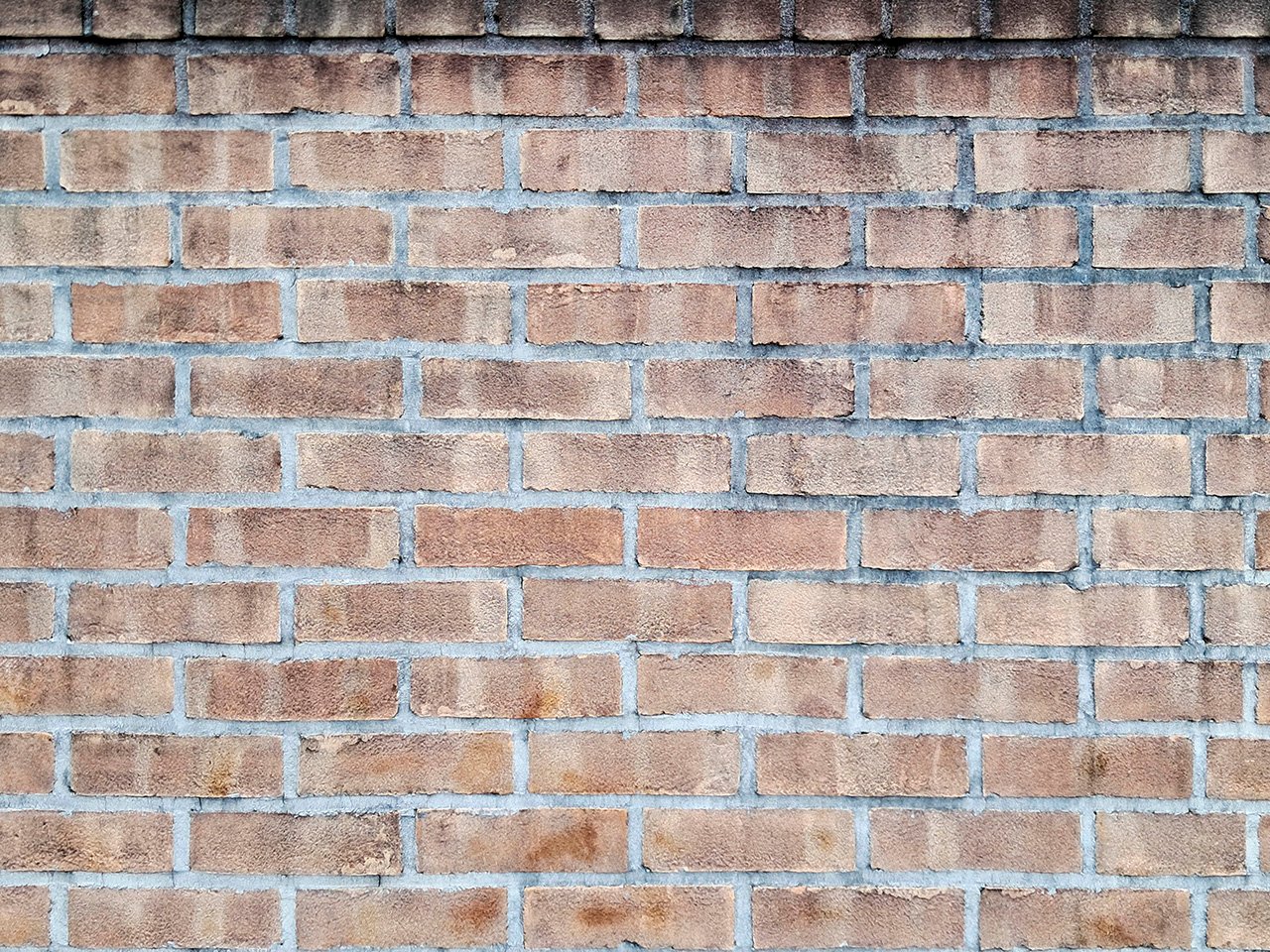
Even when a wall is not in direct contact with people, its surface can become soiled over time. Dust, exhaust fumes, soot, and other airborne pollutants can adhere to the surface and, in some cases, form streaks along areas where rainwater runs down the wall.
In general, this type of soiling can be easily removed by rinsing with water or wiping with a cloth. However, if it contains grease or other substances that are more difficult to remove, using a neutral detergent is also recommended.
-
Moss
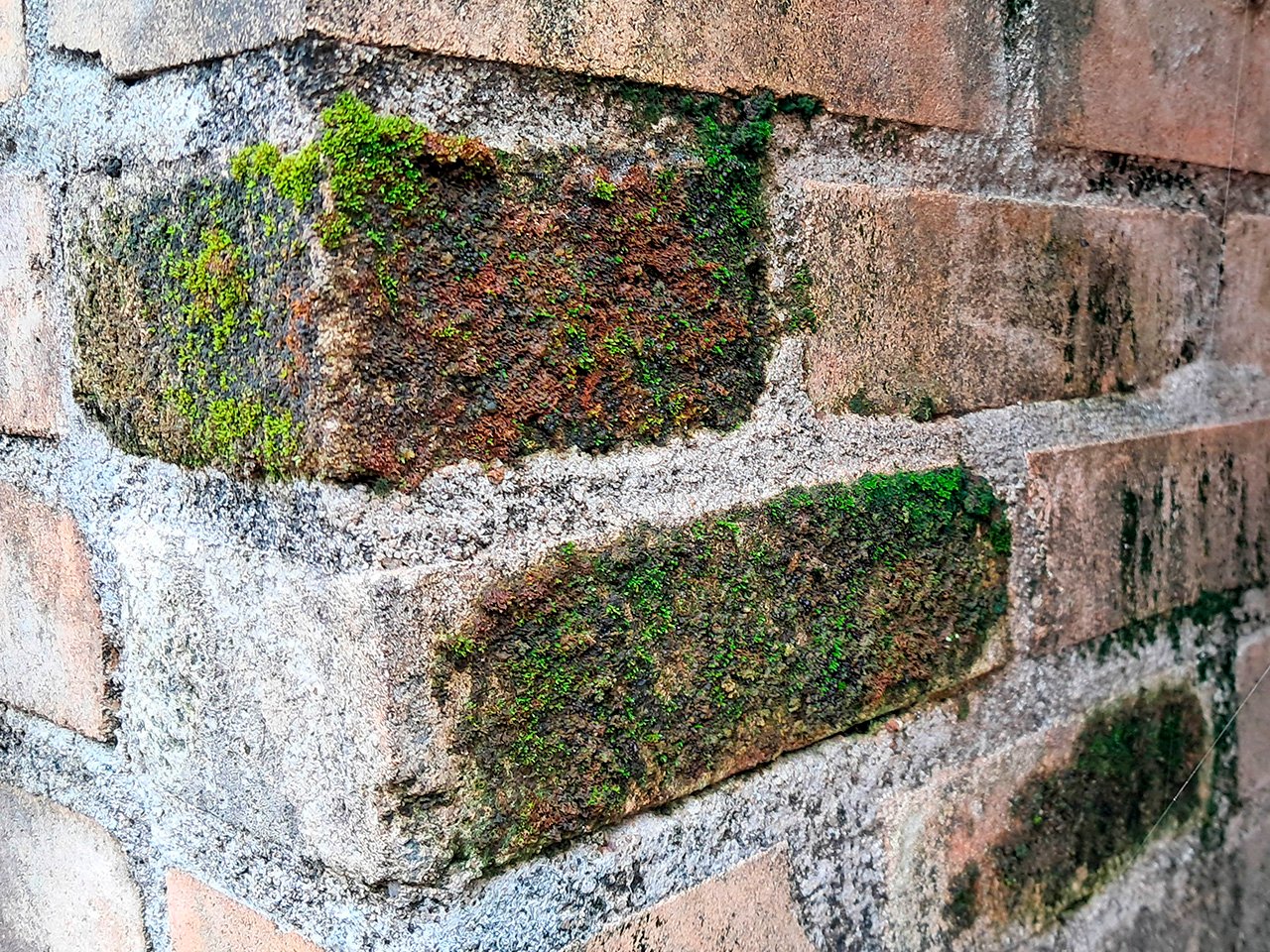
Moss is one of the most common problems, as it tends to appear in shaded areas where moisture and light conditions favor its growth.
Once moss begins to grow, it can gradually spread across the surface. It is much easier to remove if treated early. To do so, dilute a neutral detergent in water and gently scrub the surface with a brush.
-
Efflorescence
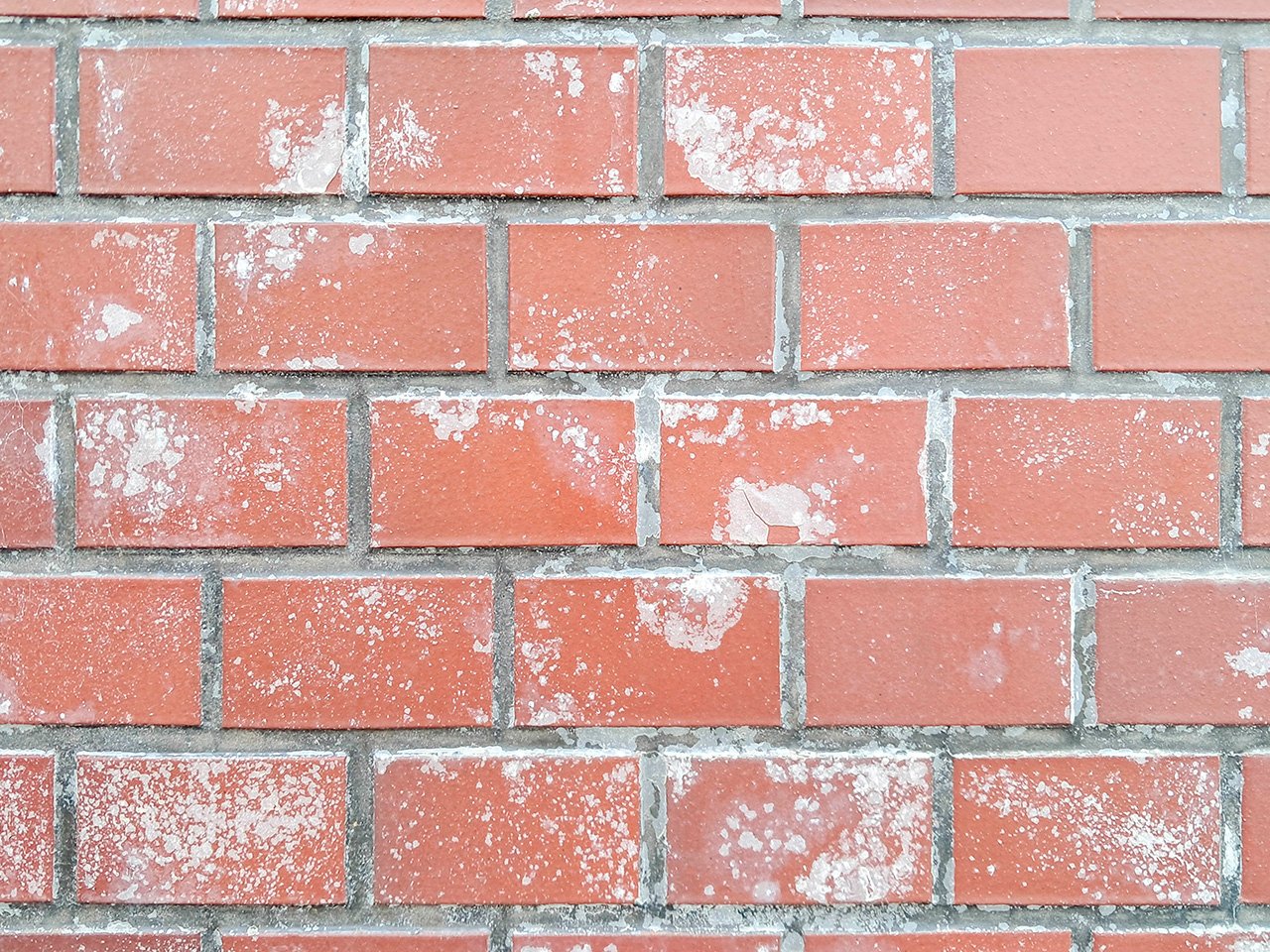
White deposits may sometimes appear on the grout joints or tile surfaces. These deposits form when calcium-containing compounds from concrete or mortar are carried to the surface by water and react with carbon dioxide in the air. Their main component is calcium carbonate. They can be removed by scrubbing the surface with a diluted hydrochloric acid solution.
A different type of white deposit may also appear as a powdery layer on the surface. This is caused by sodium carbonate migrating from the substrate beneath the tiles. When the surface becomes wet, the layer temporarily disappears, but it reappears as the surface dries. Since there are no chemical products capable of breaking down this substance, the best way to prevent it from recurring is to address the source of moisture and, if necessary, apply a water-repellent treatment.
-
Mineral Deposits and Soap Scum
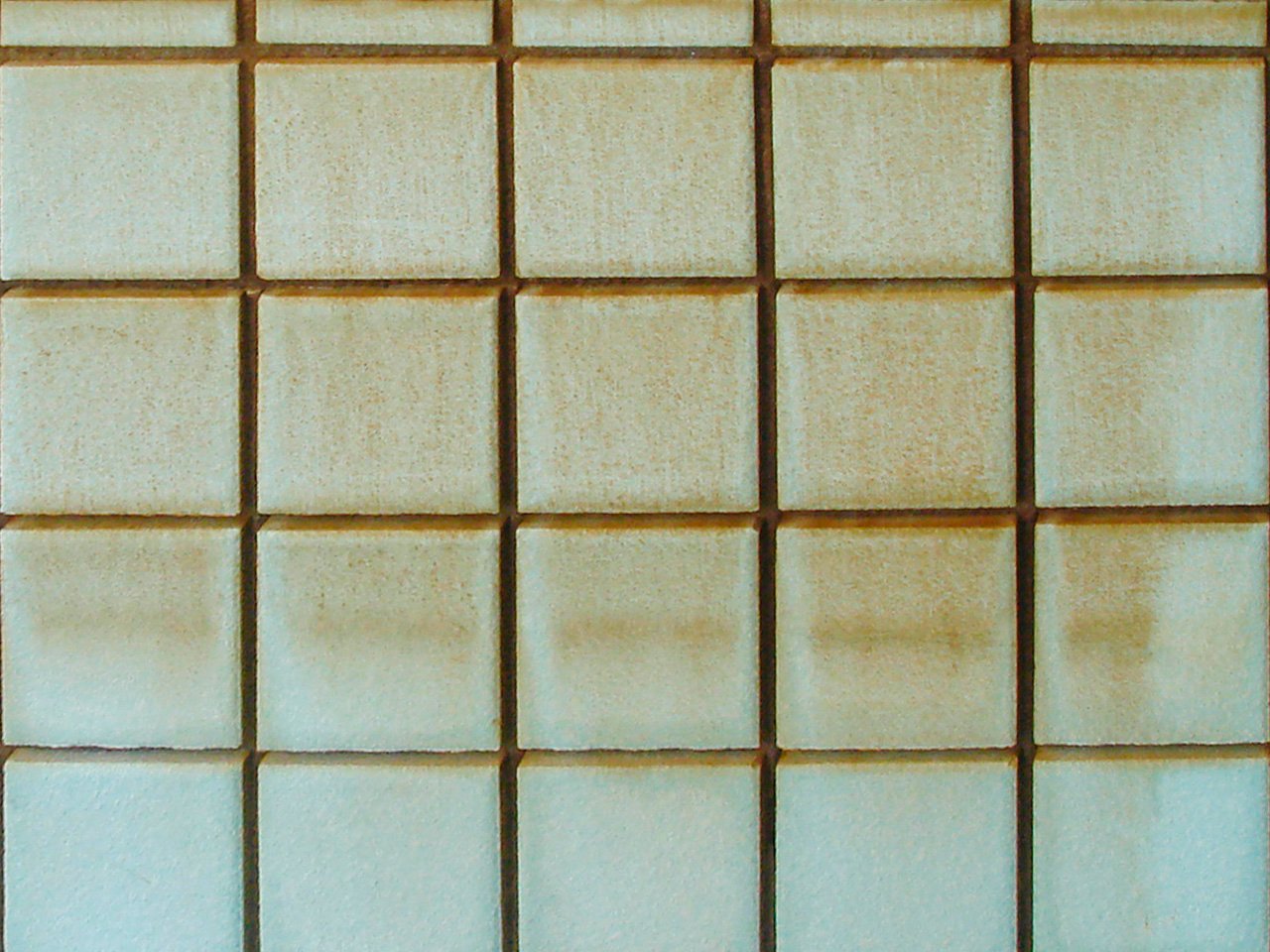
Mineral deposits are a rough buildup that forms when certain substances present in tap water accumulate on the surface. If allowed to build up over a long period, they can develop into persistent stains that are difficult to remove.
Soap scum, on the other hand, is stickier and forms through the accumulation and combination of skin oils, soap residue, dust, and other substances.
In both cases, they can be removed by cleaning the surface with a sponge and a neutral detergent.
-
Mold
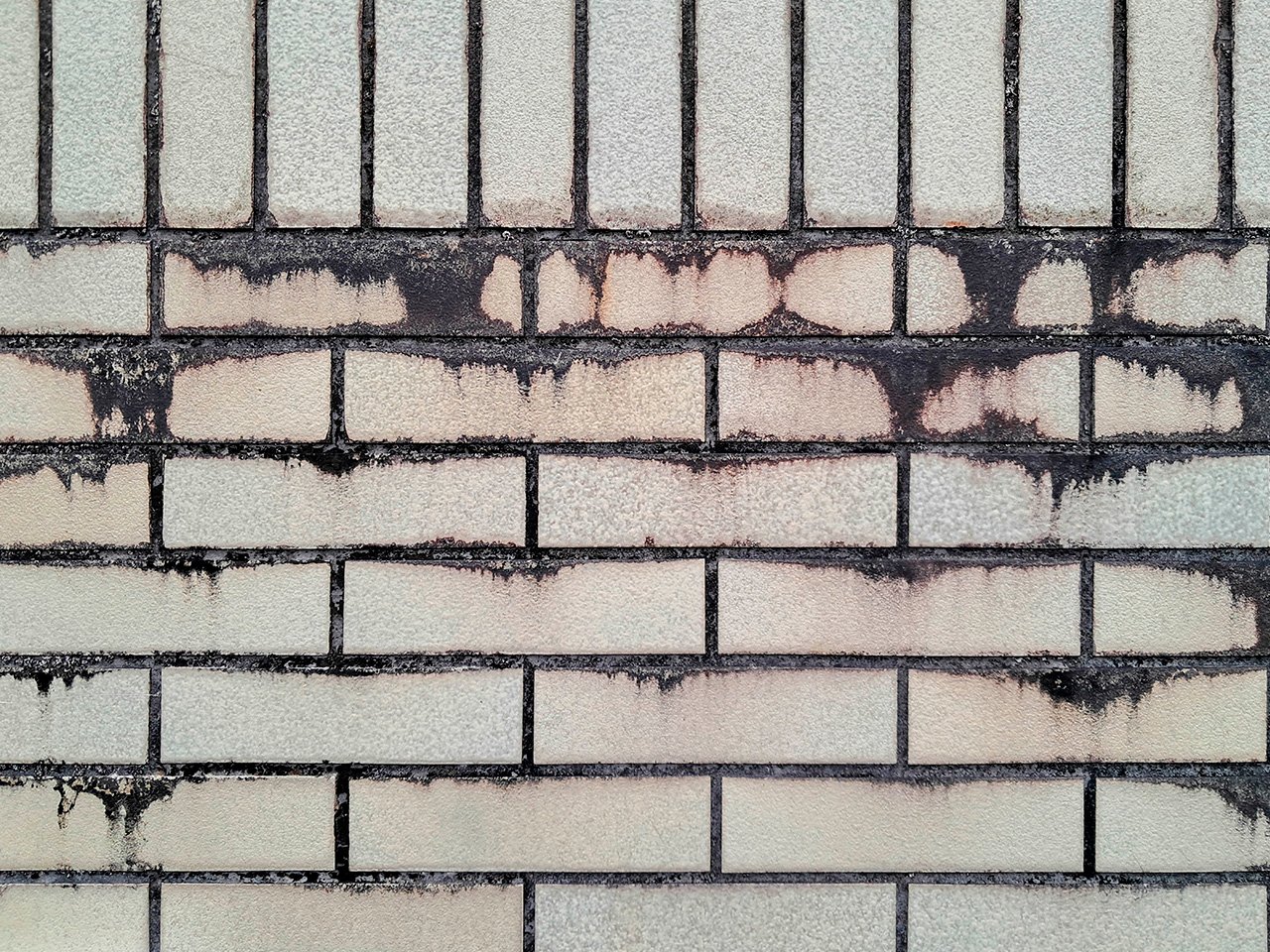
Black, purple, or pink stains that appear on tile grout are often a sign of mold. This problem is particularly common in damp areas, where grout can retain water, soap residue, and other debris.
To remove mold, apply a commercial mold remover, leave it to work for a few minutes, and then rinse the surface thoroughly with water.
To prevent mold from developing, it is important to keep the grout clean and dry. Regularly removing soap residue and other debris, as well as removing moisture from the surface, helps prevent the conditions that favor mold growth.
-
Identifying Tile Issues and Choosing the Right Treatment
In the previous section, we looked at some of the most common issues that can affect tiles and the grout around them. However, these are not the only issues you may encounter. To help you deal with other issues as well, we have prepared a brief guide to help you identify the problem and find the appropriate treatment.
The following two tests will guide you through the process. Start with Test 1 and follow the instructions according to the result. If the affected area can be cleaned, continue to Test 2 and follow each step to determine whether the issue is organic or inorganic. Once you have determined the nature of the issue, refer to the corresponding table and follow each item in order.
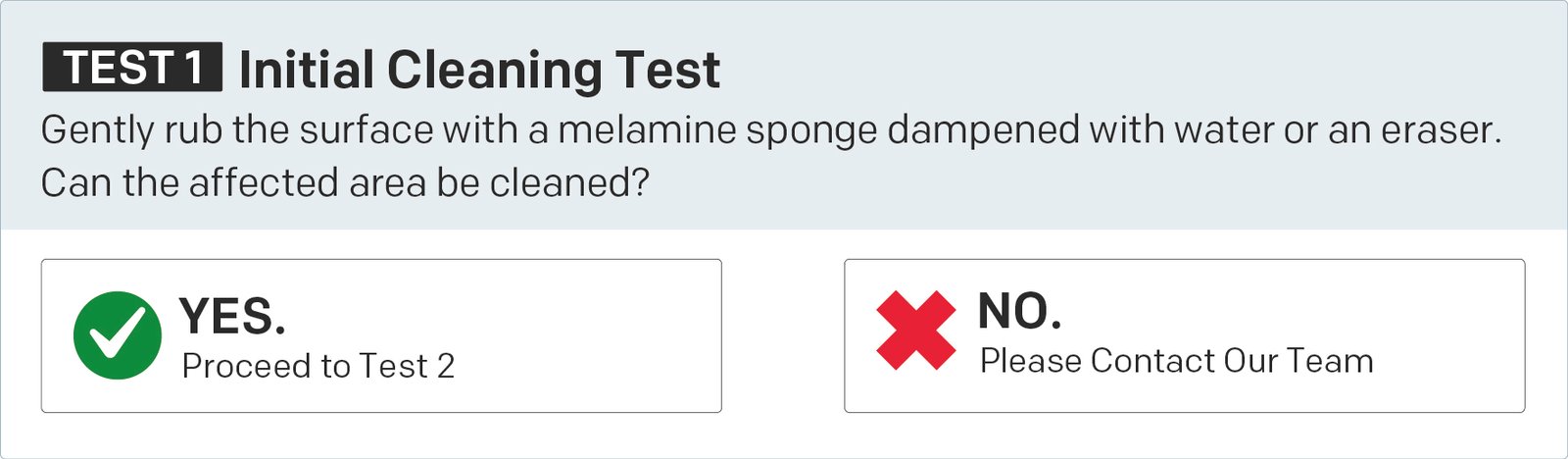
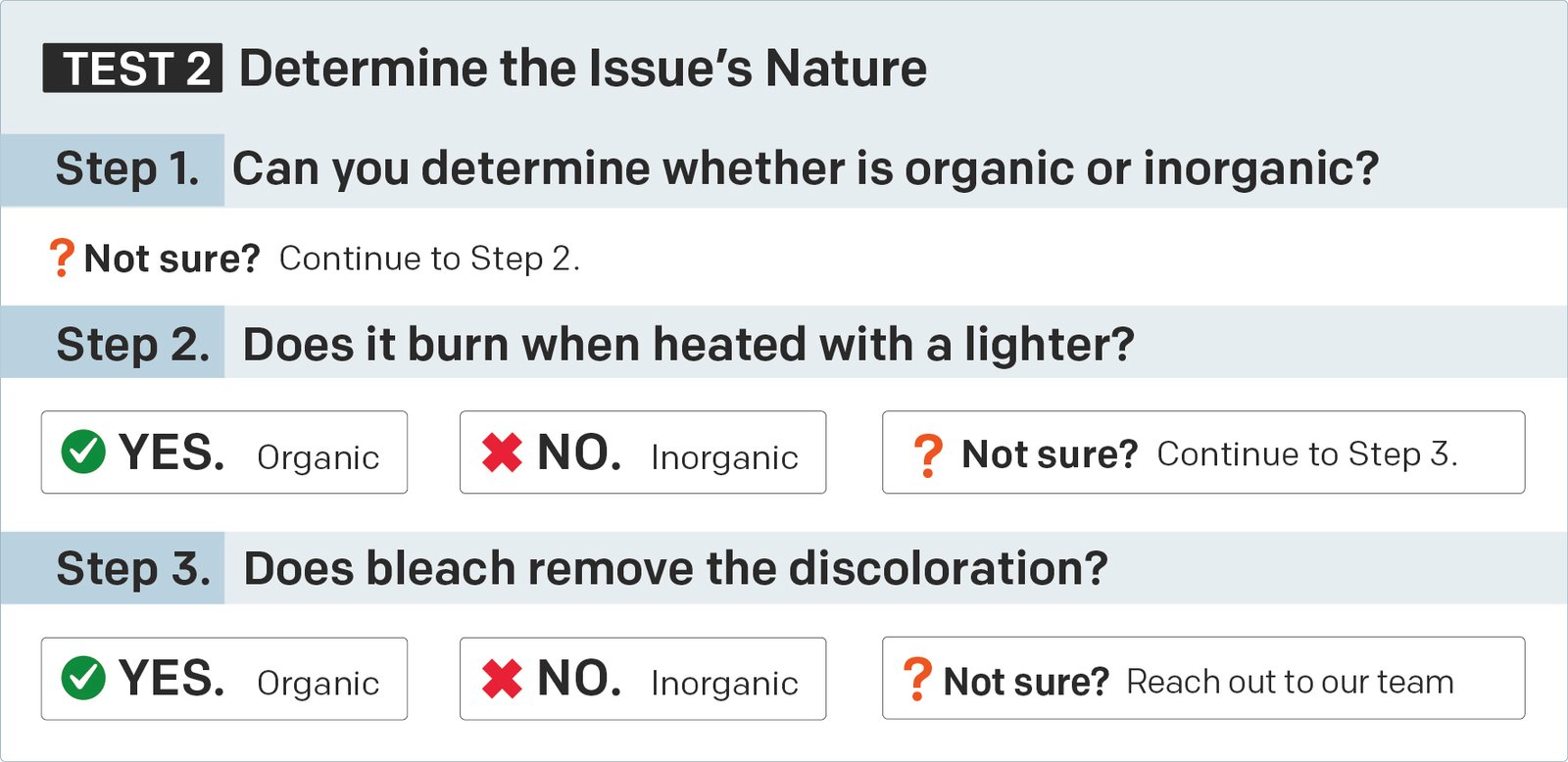

Follow the steps in the table in the order shown. If the action in one step does not remove the issue, proceed to the next step. If you are unable to resolve the issue after following these steps, please reach out to our team for assistance.
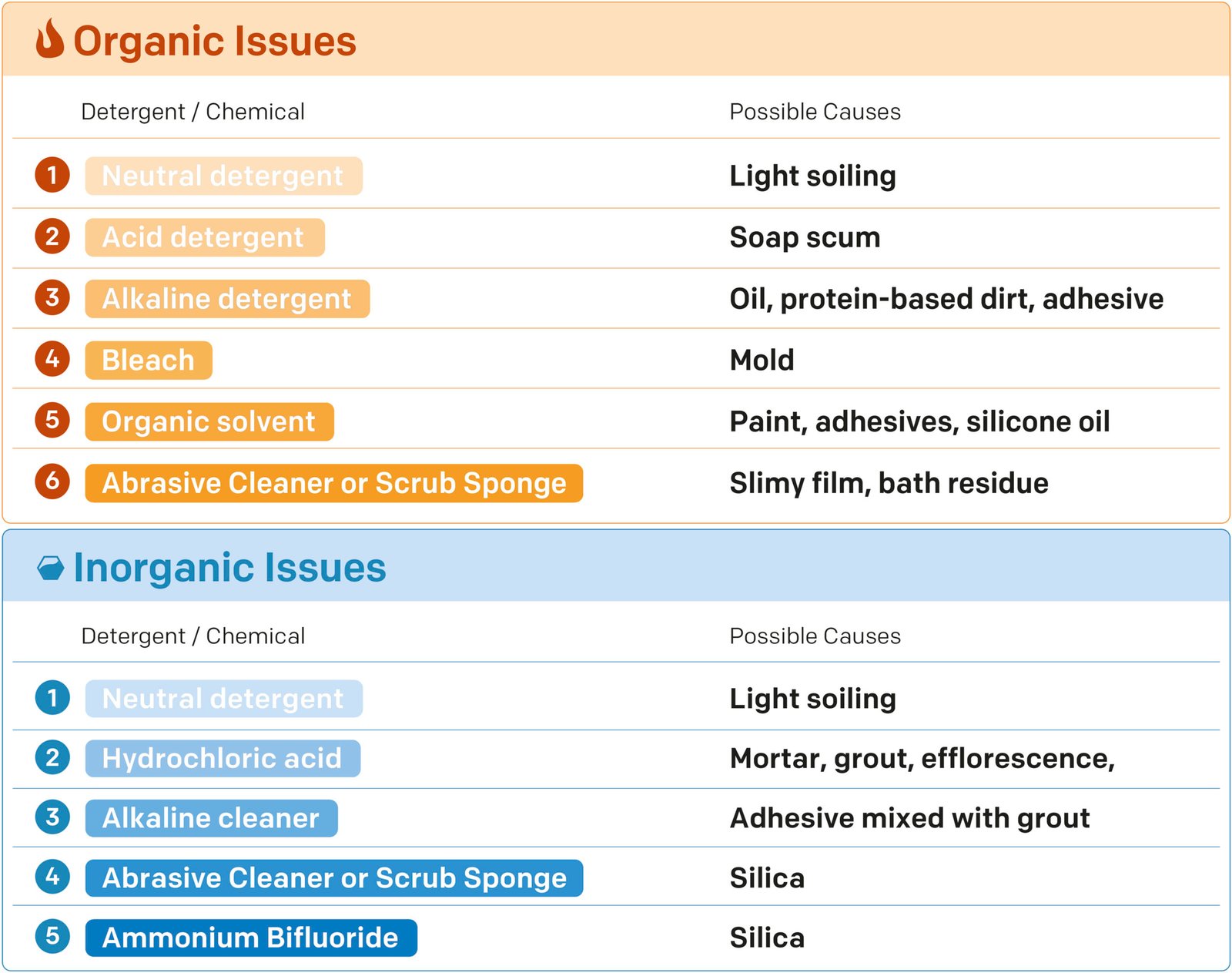
Notes:
・Before starting the cleaning process, test the cleaning method on a small, inconspicuous area to make sure it is effective and does not damage the surface.
・If you plan to use a cleaning product, always follow the manufacturer’s instructions for use and wear the recommended protective equipment.
・During cleaning, make sure the area is well ventilated, especially when using bleach or organic solvents.
・After cleaning, rinse the surface thoroughly with water to remove any remaining cleaning product.
・When using acidic cleaning products, avoid contact with metal components, as they can cause corrosion.
・Keep in mind that acidic cleaning products can react with components in the grout and cause deterioration. To prevent this, wet the grout thoroughly with water before cleaning and avoid allowing the cleaning product to come into contact with it.
・Never mix hydrochloric acid or acidic cleaning products with bleach or chlorine-based products, as this can produce chlorine gas, which is harmful to health.
・Because ammonium bifluoride is highly hazardous, cleaning products containing it should only be used by trained professionals.
Summary
As we have just seen, tiles are an excellent choice for covering surfaces thanks to their durability, strength, and ease of maintenance. However, even the most durable materials require some care. Correctly identifying each issue and addressing it as soon as possible is key to making the stains easier to remove and preventing the damage from getting worse.
At WA-KEI, we invite you to explore our collections and find the option that best suits your space and personal style.
We hope this article has been helpful in giving you a better understanding of how to care for your tiles and keep them looking their best for many years to come. If you have any questions about tile maintenance, please don’t hesitate to reach out.
Note: This article has been reviewed using ChatGPT.