WA-KEI at Cersaie 2026. Japanese Aesthetics Inspire New Design Trends
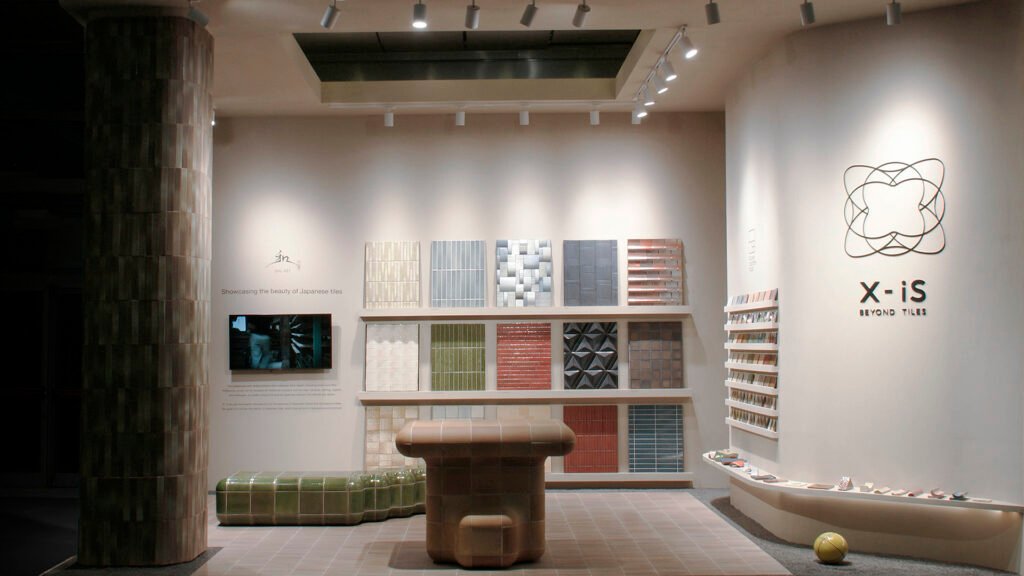
Held in Bologna, Italy, from September 21 to 25, 2026, the 43rd edition of Cersaie, the International Exhibition of Ceramic Tile and Bathroom Furnishings, brought together architects, designers, and industry professionals from around the world, further establishing itself as one of the leading international venues for discovering the latest developments and trends in the industry.
In this article, we review some of the trends that shaped this year’s show and share impressions from visitors who stopped by our booth to discover WA-KEI’s collections. We also introduce the new offerings we brought to Bologna: two collections developed specifically for the show and our Semi-Custom Tiles system, which expands the possibilities for tile customization.
Table of Contents
Japanese Influence Takes Center Stage
Japanese Aesthetics in Spatial Design
With around 600 exhibitors and nearly 92,000 visitors, Cersaie 2026 stood out for the presence of booths inspired by Japandi, a style that combines Japanese sensibilities with the simplicity of Scandinavian design. This approach to spatial design emphasizes natural materials, clean forms, and balance between different elements to create calm, sophisticated environments.
Alongside this focus on balanced, inviting spaces, many exhibitors also stood out for incorporating their products into functional elements, such as benches and other architectural structures. Beyond their practical purpose, these installations invited visitors to experience the textures of the materials firsthand and explore how ceramic tiles can be used to cover curved surfaces, finish corners, and adapt to different architectural forms.
Japanese Tiles Inspire New Ceramic Design Trends
Although terrazzo and large-format ceramic tiles continued to feature prominently, one of the most interesting trends was the growing focus on texture, relief, and the expressive qualities of ceramic surfaces.
Advances in inkjet printing technology are making it increasingly possible to coordinate patterns and relief, reproducing color variations, glaze buildup, and irregularities that add depth to surfaces. This pursuit of materials with greater visual and tactile richness connects with some of the defining characteristics of Japanese tiles, where glazes, textures, and the interplay of light and shadow play a fundamental role. In some cases, this exploration even extends to fully three-dimensional reliefs that project beyond the surface.
WA-KEI Exhibits at Cersaie for the Second Consecutive Year
Against this backdrop of growing interest in Japanese aesthetics, WA-KEI had the opportunity to present its collections and introduce visitors to the distinctive characteristics of Japanese tiles.
As seen at other booths throughout the show, real applications played an important role in product presentations. At our booth, the new Kasumi collection covered the curved surface of a column, demonstrating the possibilities of using ceramic tiles on architectural features. The space also incorporated three-dimensional elements that provided visitors with a place to sit and watch informative videos about traditional Japanese ceramic manufacturing processes.
-
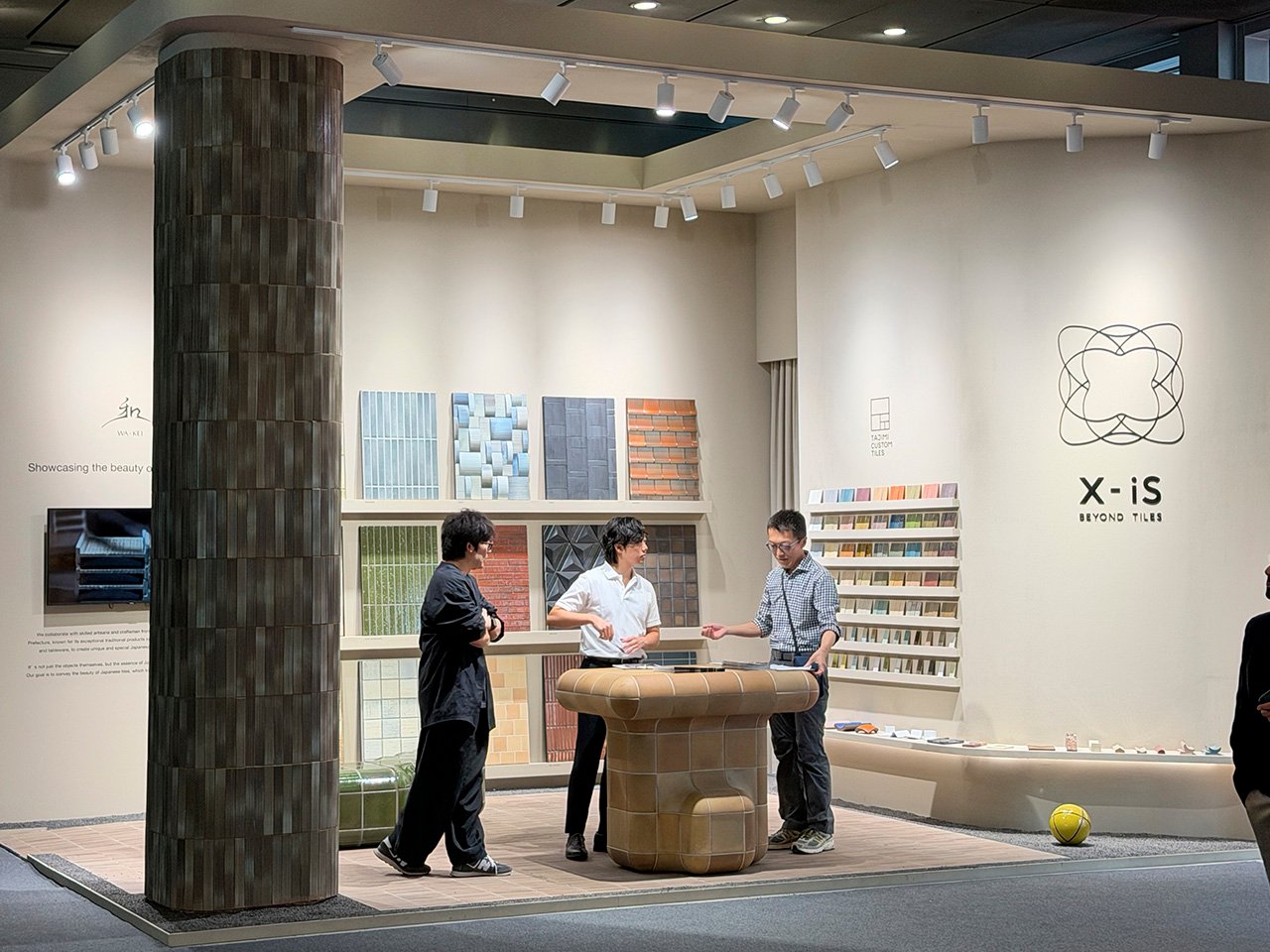
WA-KEI’s new collection applied to our booth’s column
-
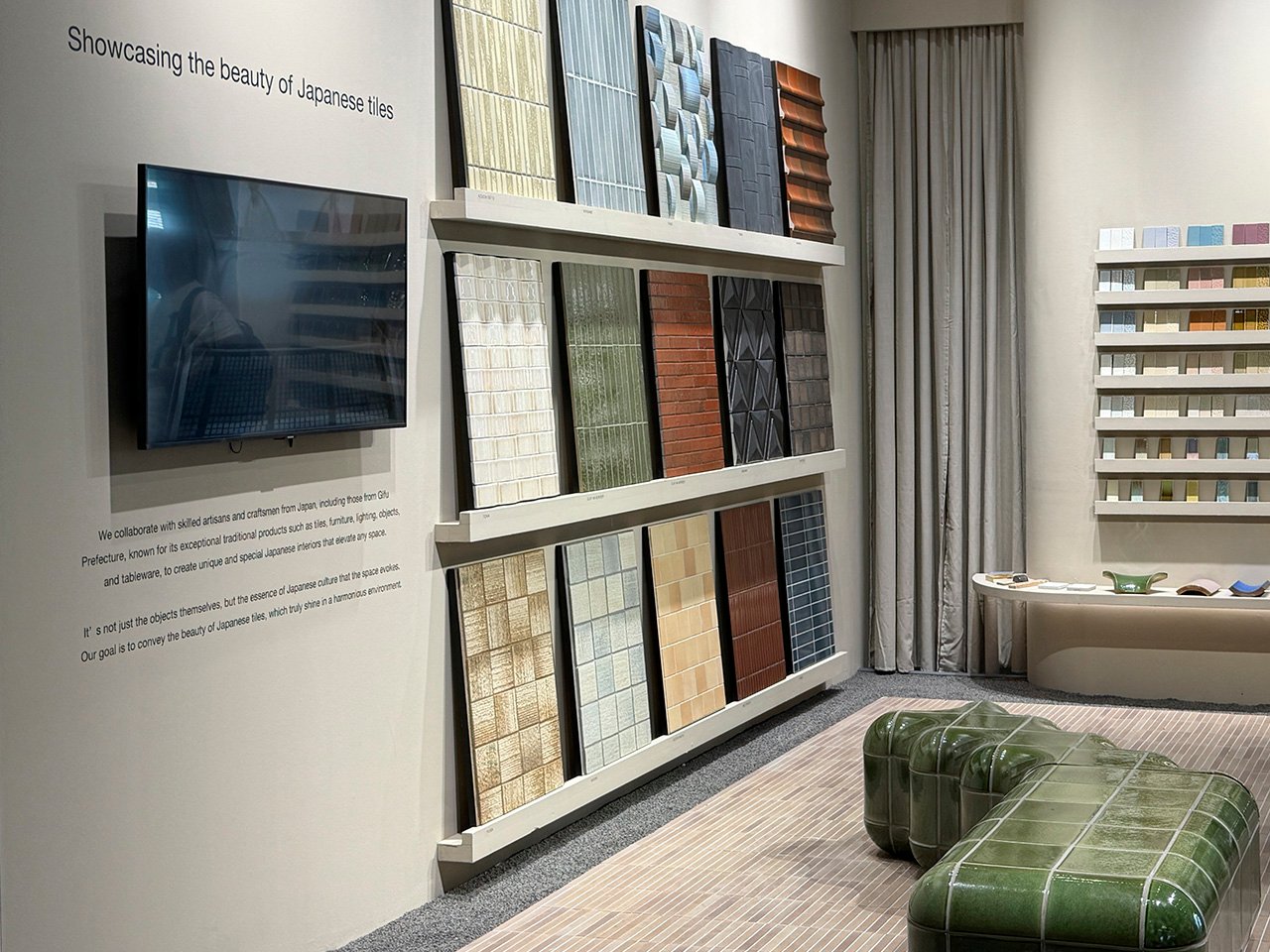
Seating area to discover Japanese tile craftsmanship
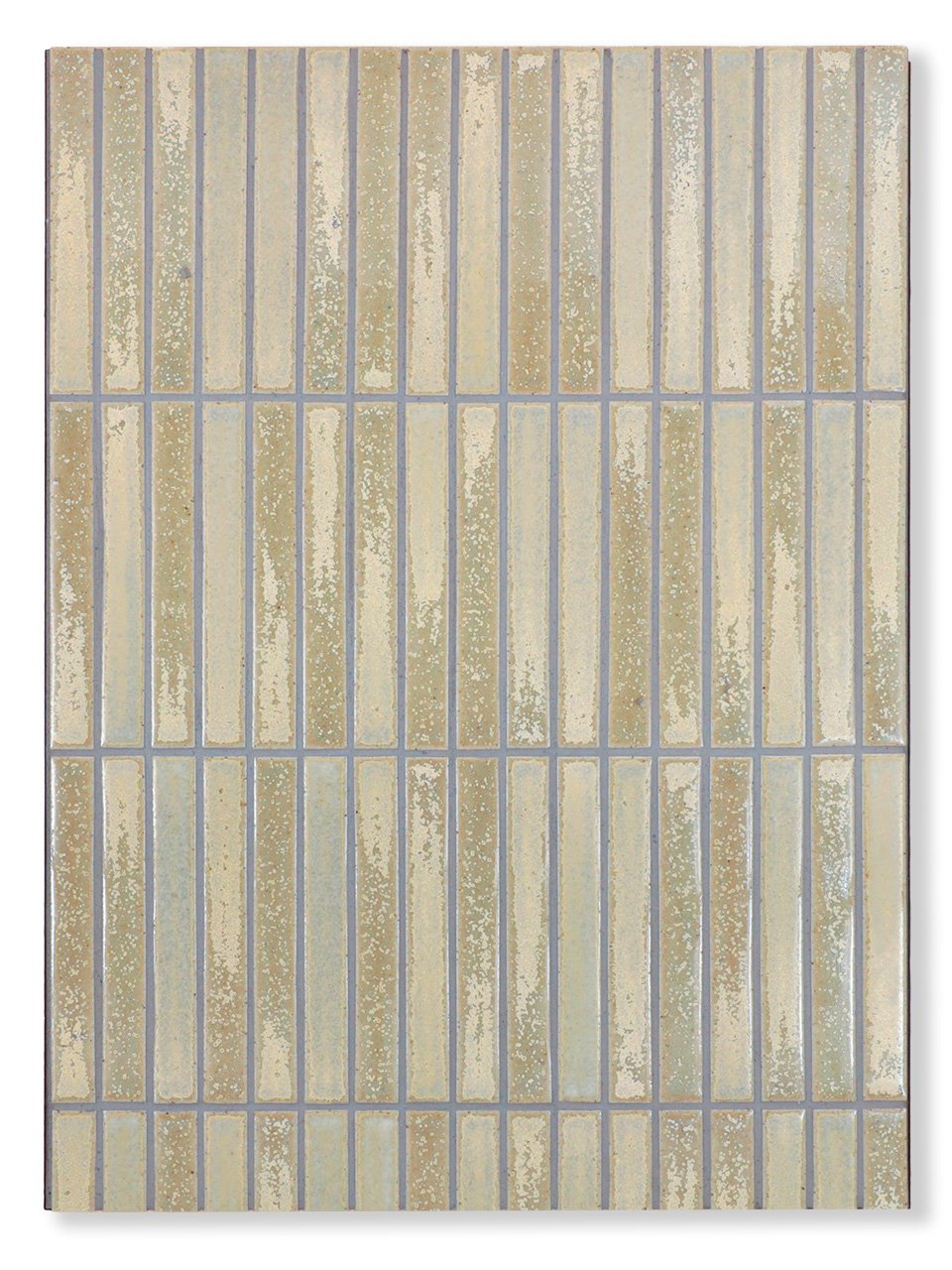
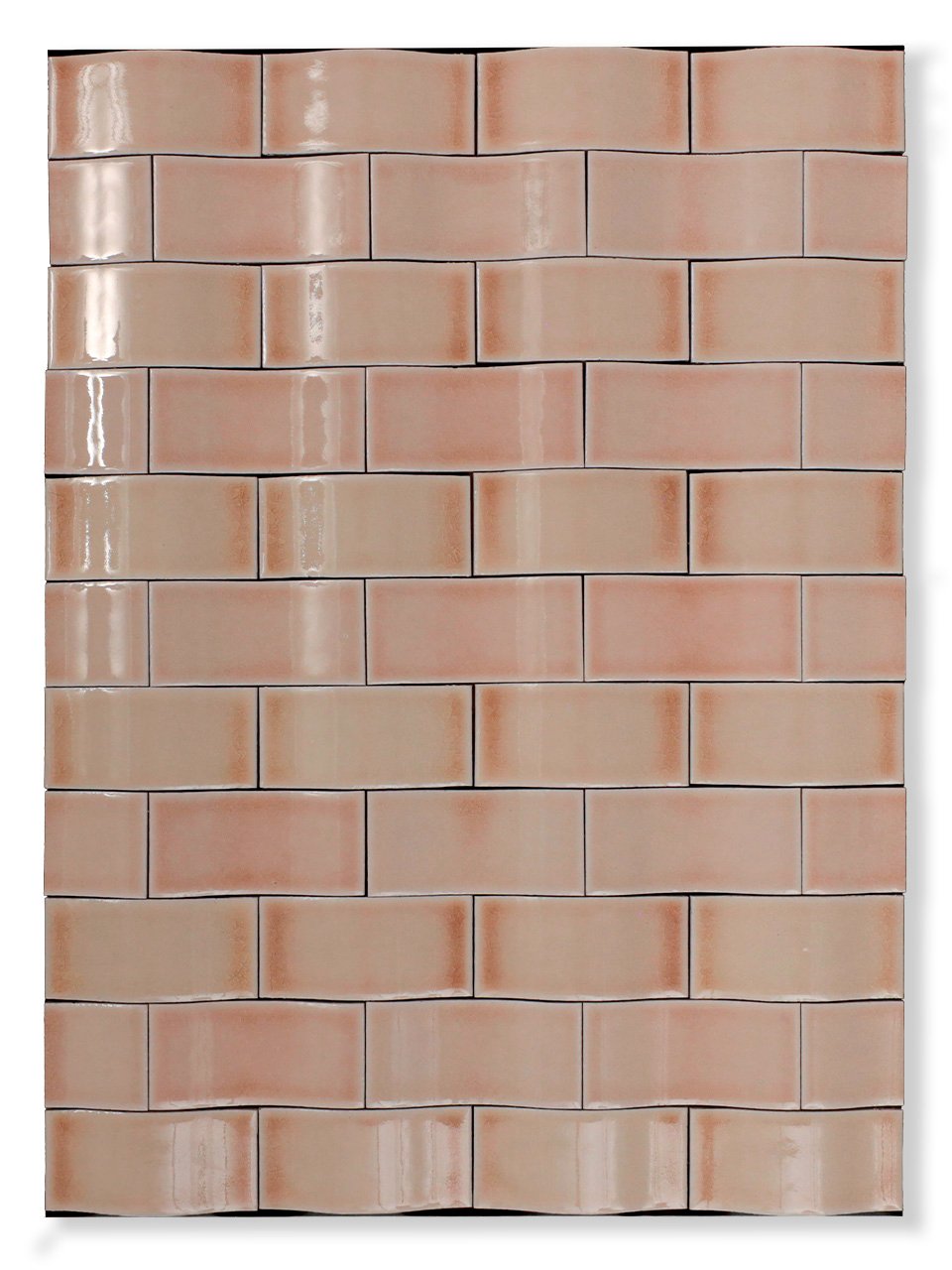
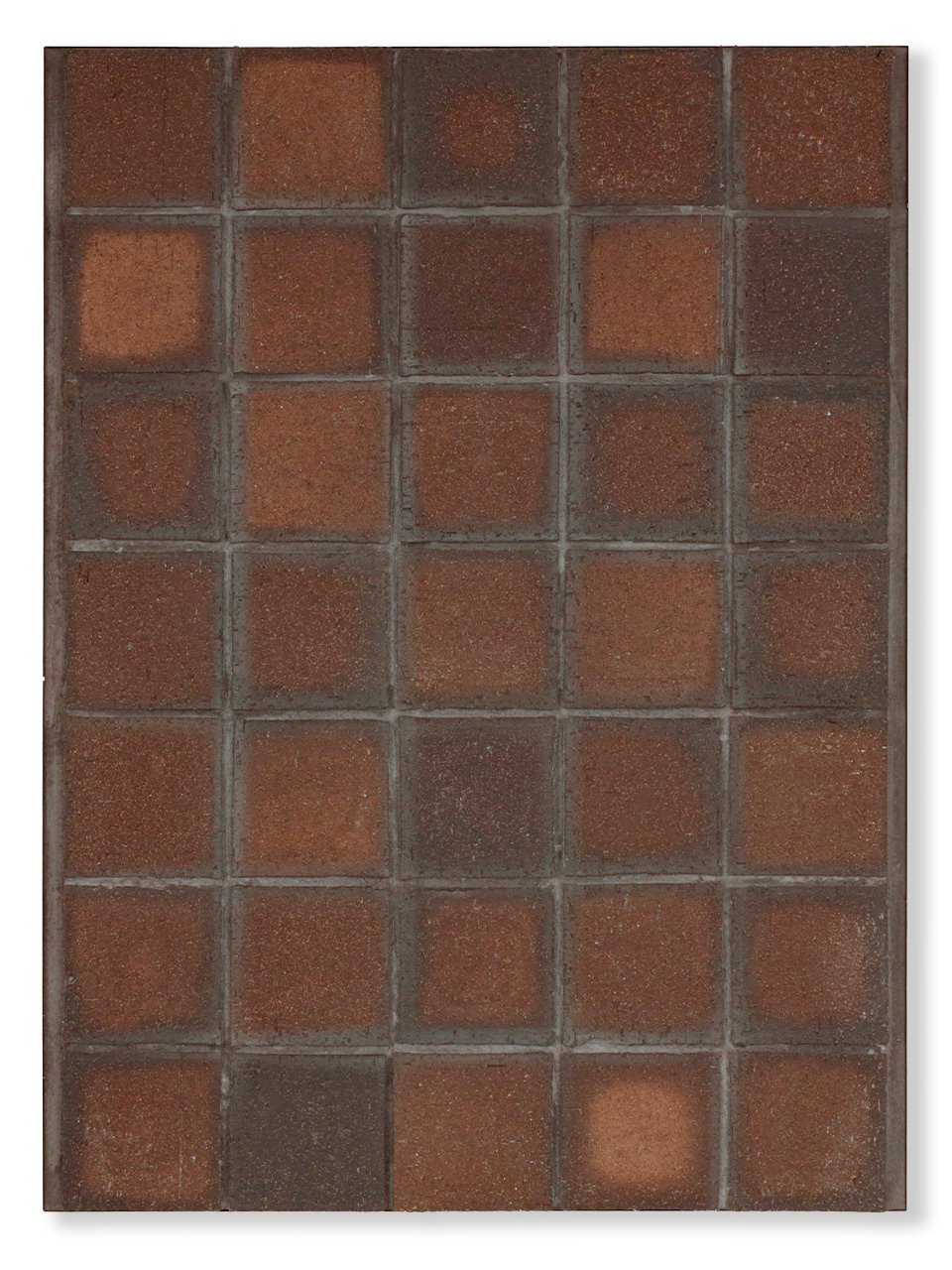
During the show, we saw firsthand the interest that some of the most distinctive characteristics of Japanese ceramics generated among visitors, particularly crystalline glazes and the natural color variations that develop during the traditional manufacturing process. Through these conversations, we had the opportunity to explain how the properties of each glaze and the firing conditions create unique variations in every piece, variations that cannot be replicated through other manufacturing processes.
Four collections that showcase these qualities particularly well stood out for the interest they generated among visitors: Taiko, Azuchi Seyu, Toha, and Akatsuki.
Collaboration with Designers Brings New Collections to Life
As in the previous edition, WA-KEI worked closely with James Kaoru Bury, who was responsible for both the booth design and the development of two new collections created specifically for this year’s show: Kasumi and Kirisame
Kasumi
Inspired by the scenery of a pale forest veiled in mist, Kasumi and its randomly flowing gradients evoke the gentle movement of mist among the trees bringing a sense of movement to the spaces, creating an atmosphere that is both tranquil and ever-changing. Its nicely ribbed texture interacts with an intentionally irregular glaze, creating subtle variations in color and depth.
-
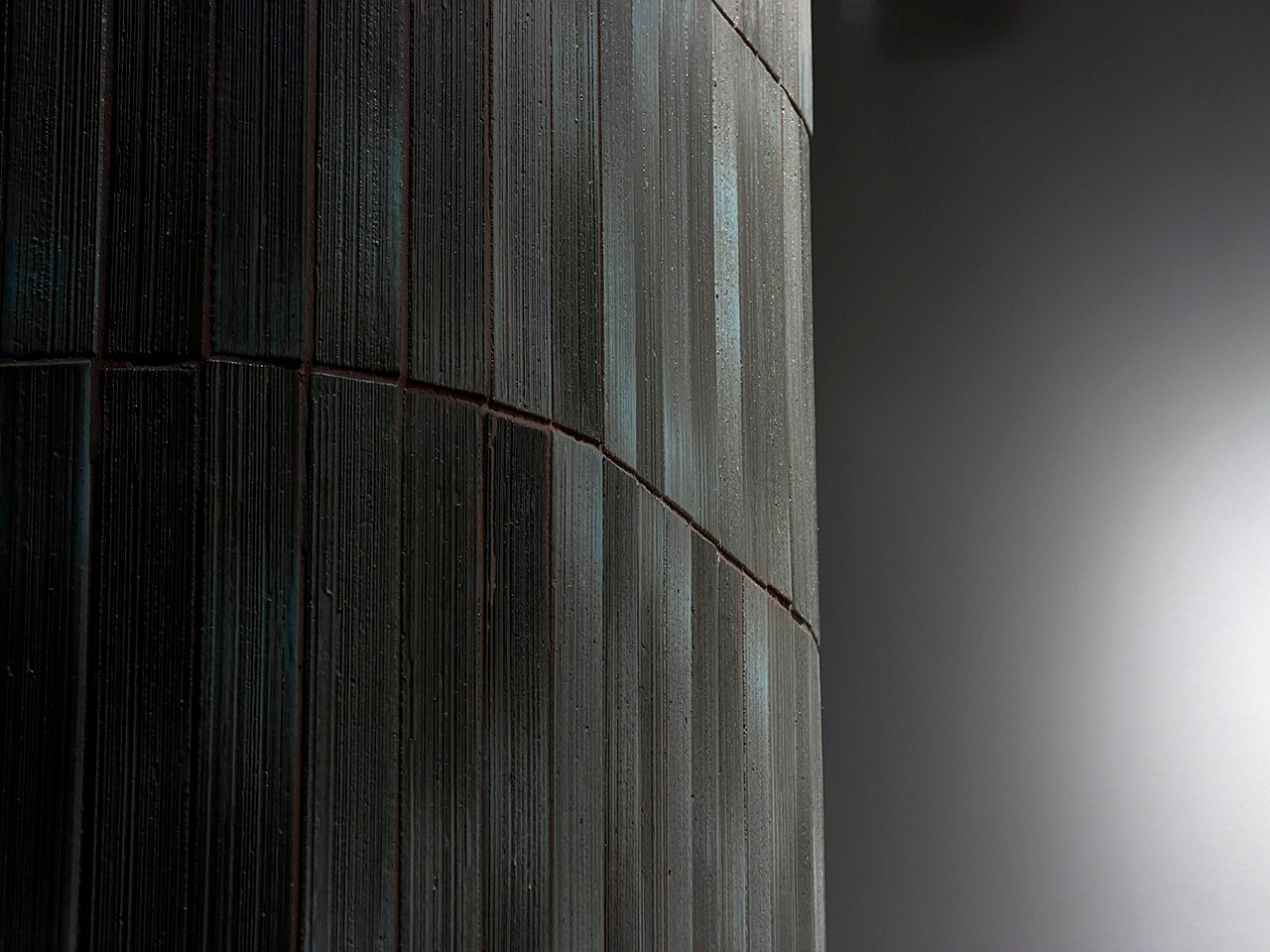
Detail of the Kasumi column at our booth
-
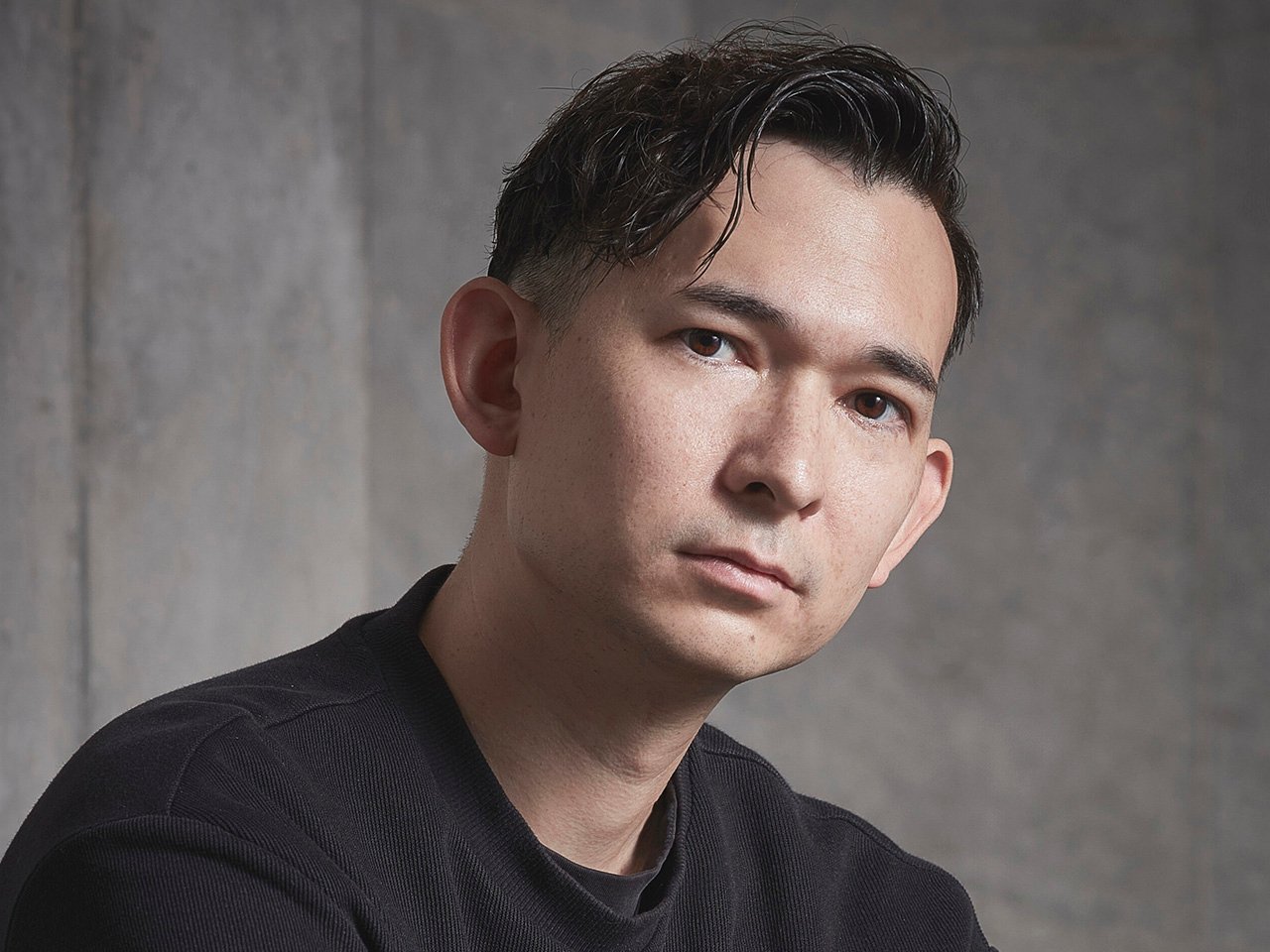
James Kaoru Bury. Product designer
Kirisame
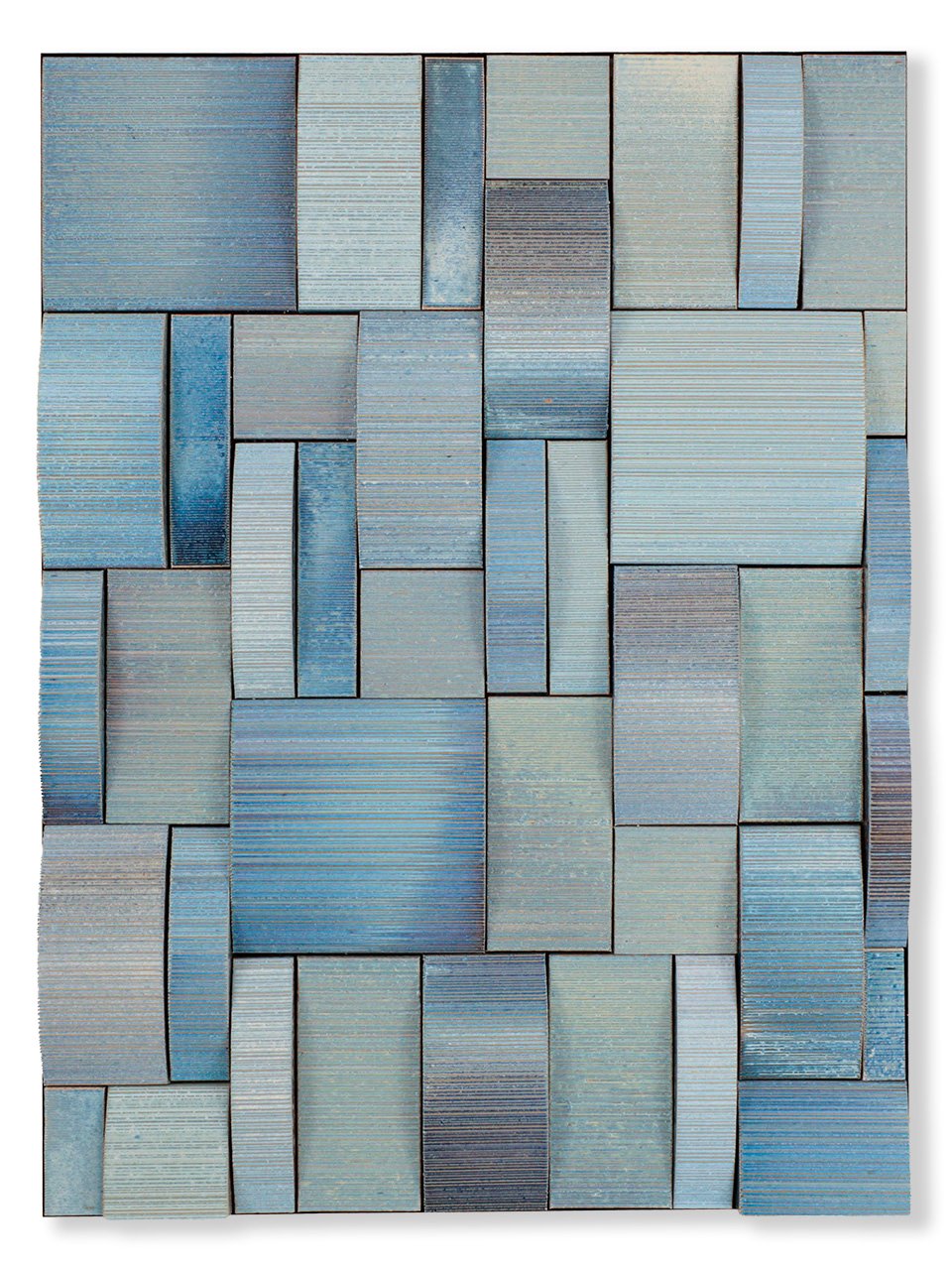
Inspired by the serene moment of a landscape shrouded in a fine, mist-like rain, Kirisame aims to capture the cool, delicate texture of this natural phenomenon through a translucent glaze that allows the ceramic body to show through.
Its finely ribbed surface creates subtle variations in glaze and color, evoking a subtle sense of comfort and tranquility. The result is a collection that highlights the richness of the materials and the distinctive character of Japanese craftsmanship.
-

Inspiring landscape
-
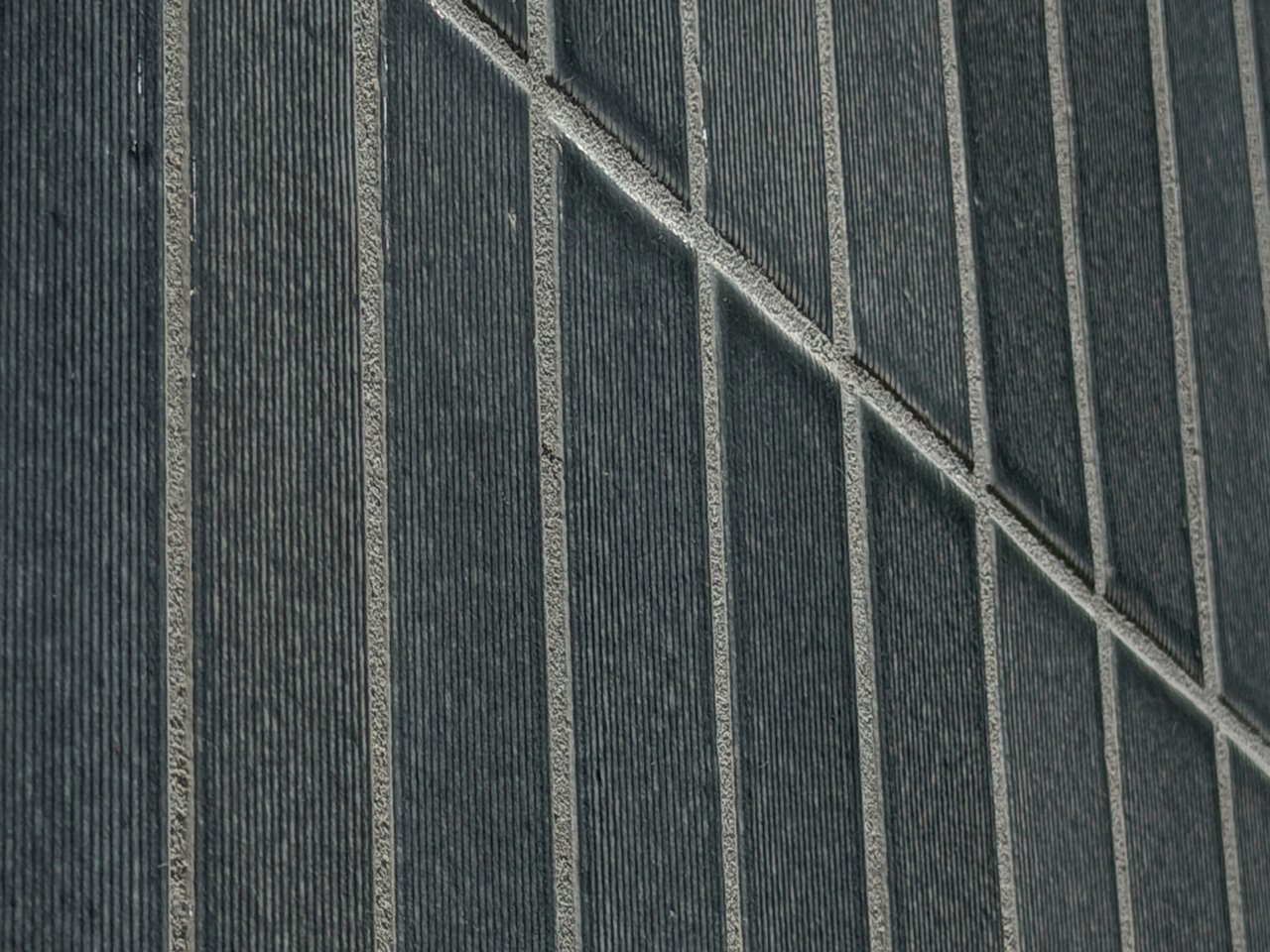
Kirisame panel displayed at Cersaie 2026
Semi-Custom Tiles: Customization for Every Project
During the show, WA-KEI also presented its Semi-Custom Tiles system, which expands the possibilities for ceramic tile customization and gives architects and designers greater creative freedom. With a selection of sizes, shapes, and textures, along with a palette of more than 100 glazes, the system makes it possible to develop tiles tailored to the vision and requirements of each project.
This flexibility encourages the exploration of new combinations and solutions, giving design professionals more tools to bring their ideas to life through ceramic tile.
-
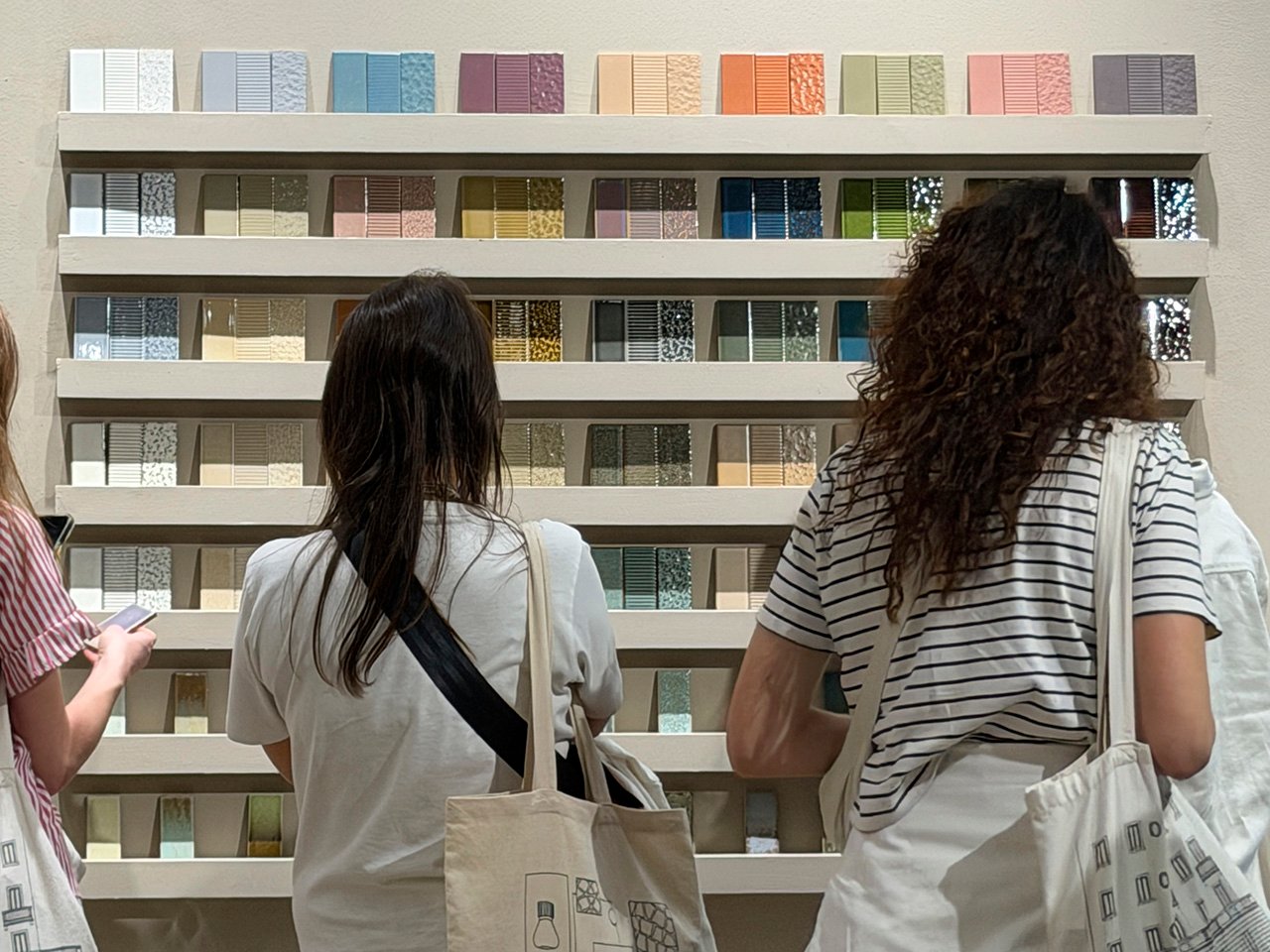
Visitors exploring the glaze options
-
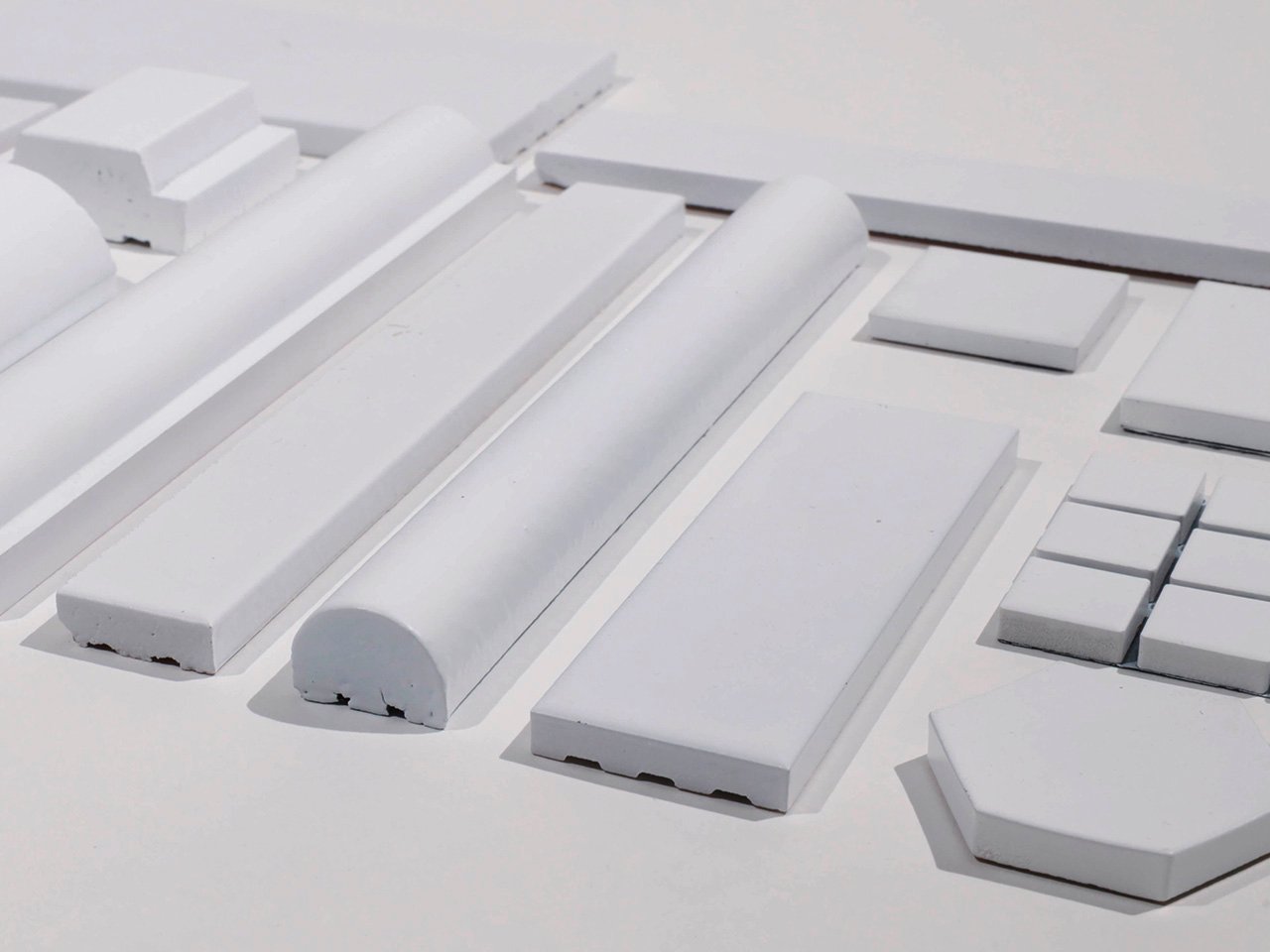
Some of the many shapes available

Summary
At Cersaie, we saw firsthand the growing interest in ceramic surfaces with texture, depth, and color variation. This trend resonates with the essence of WA-KEI, where authentic glazes and traditional Japanese manufacturing processes give rise to truly unique pieces, each with its own distinctive character.
At WA-KEI, this artisanal richness goes hand in hand with a continuous drive to explore new possibilities, expand the horizons of ceramic design, and offer solutions that respond to the evolving needs of architecture and interior design.
We would like to thank everyone who visited us at Cersaie for their interest and for the conversations we shared. If you didn’t have the opportunity to stop by our booth, we invite you to discover our collections in the Cersaie 2026 section of our website.
Note: This article has been reviewed using ChatGPT.